
728 × 90 Banner
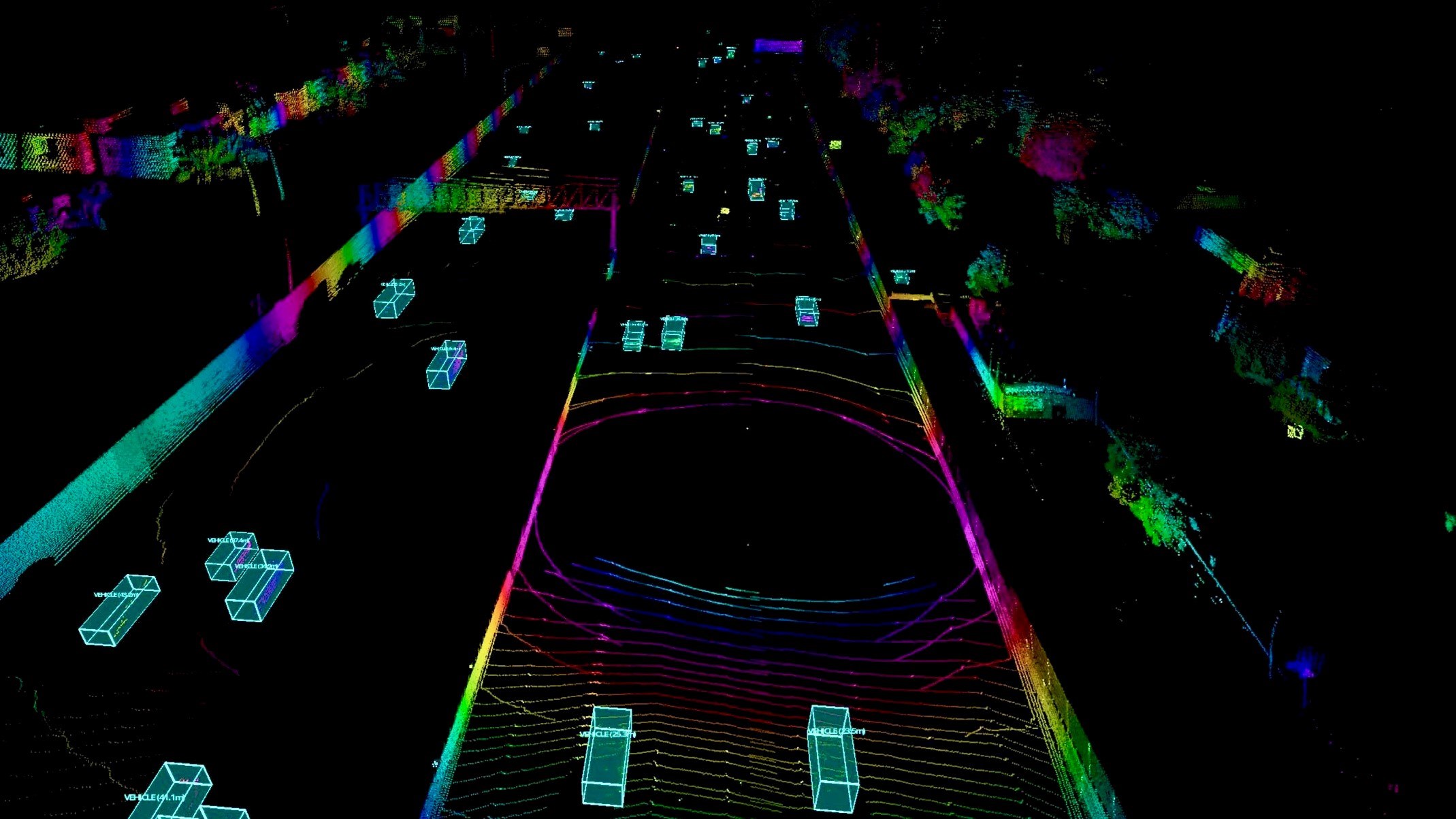
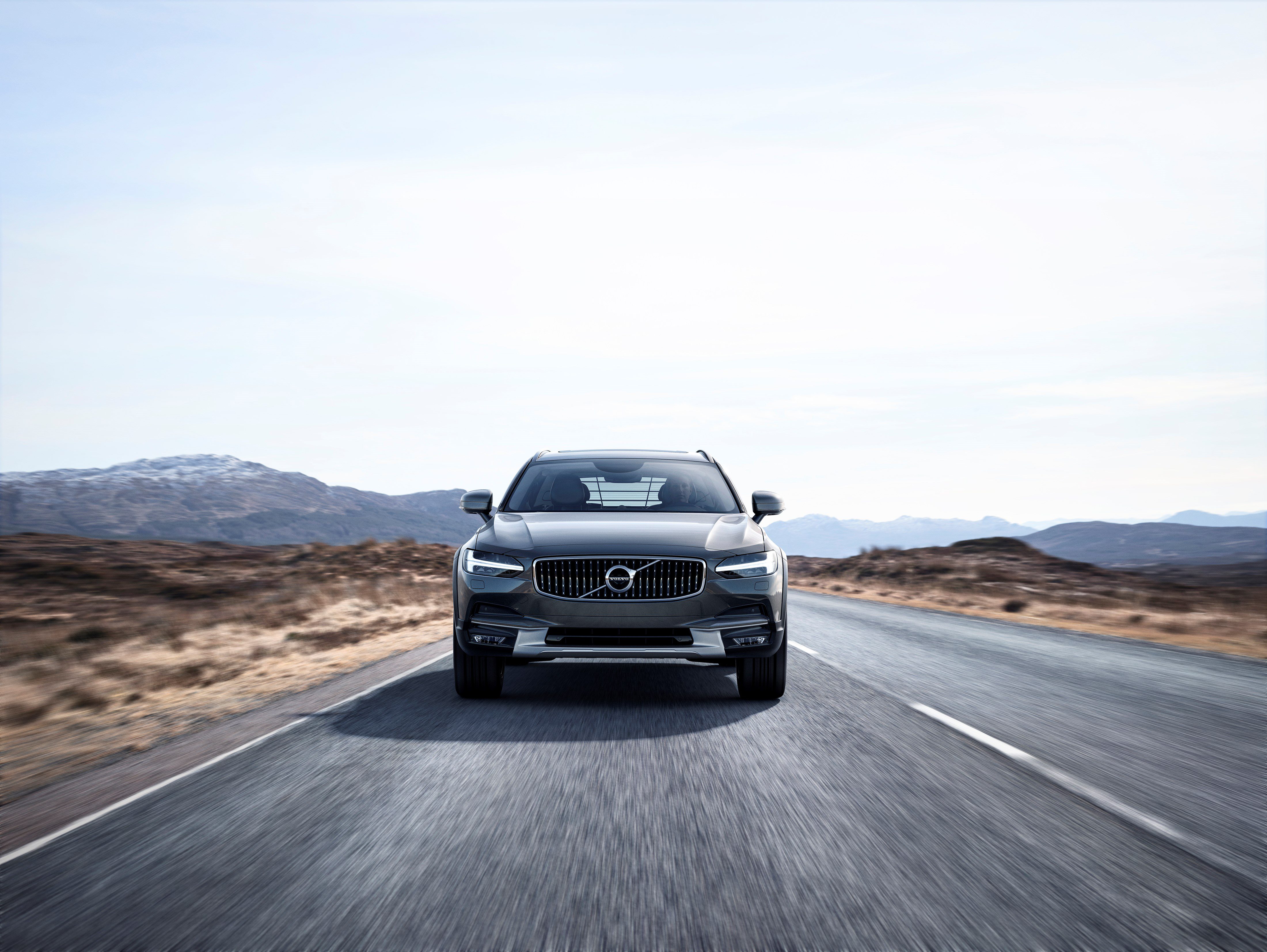
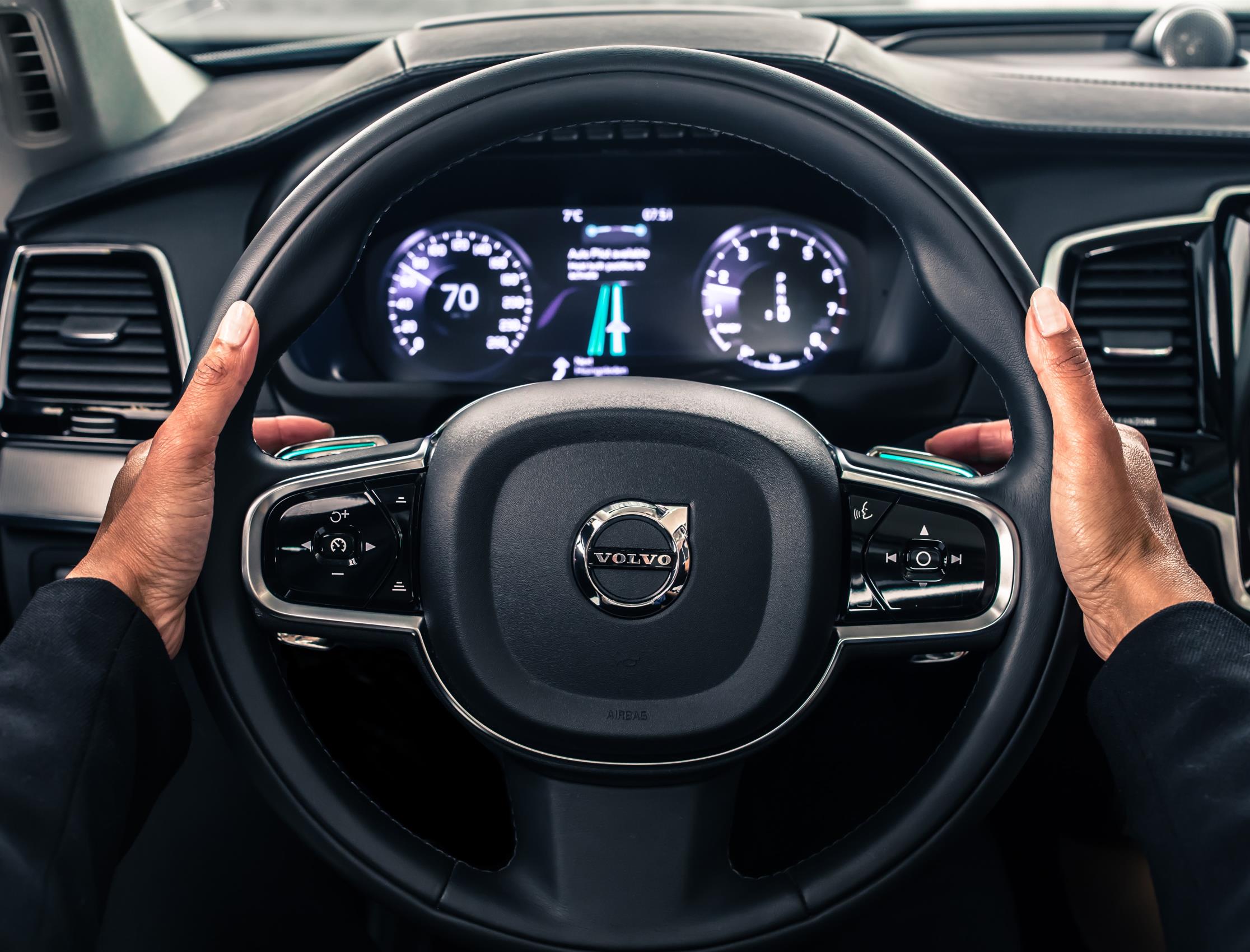
Volvo Cars and Luminar, a leading start-up in the development of core sensing technology for autonomous vehicles, are demonstrating the most advanced LiDAR sensor and perception capabilities to date at this year’s Automobility LA trade show in Los Angeles.
The ongoing development of LiDAR technology,which uses pulsed laser signals to detect objects, is a crucial element in creating safe autonomous cars. It allows autonomous cars to navigate safely in complex traffic environments and at higher speeds by providing these cars with reliable long-range perception capabilities.
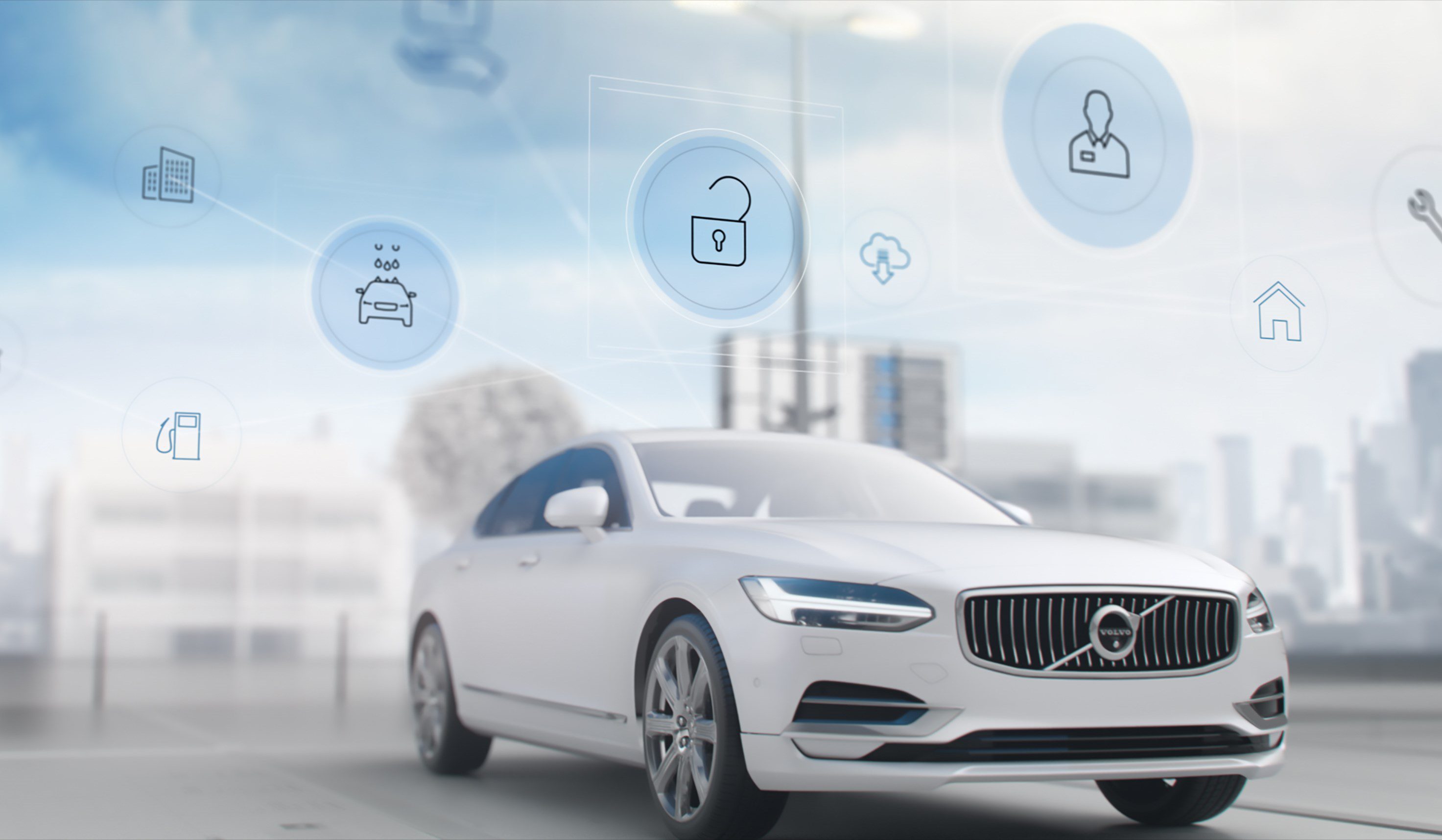
Technology such as LiDAR can help Volvo Cars to make its vision for autonomous travel, as showcased in the Volvo 360c concept earlier this year, a reality. The development of advanced LiDAR technology and perception capabilities is one of many ways in which Volvo Cars and its partners work towards a safe introduction of fully autonomous cars.
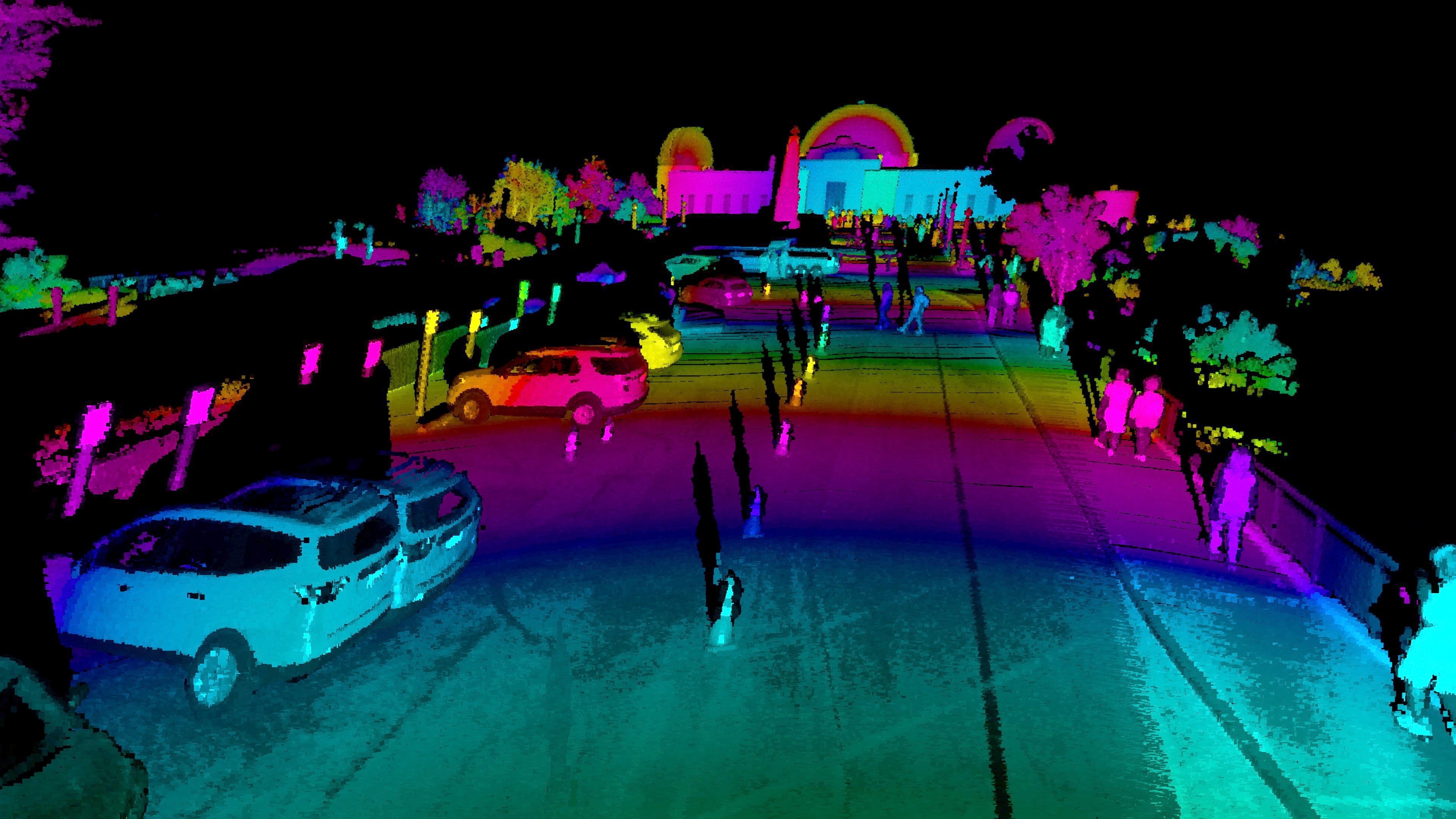
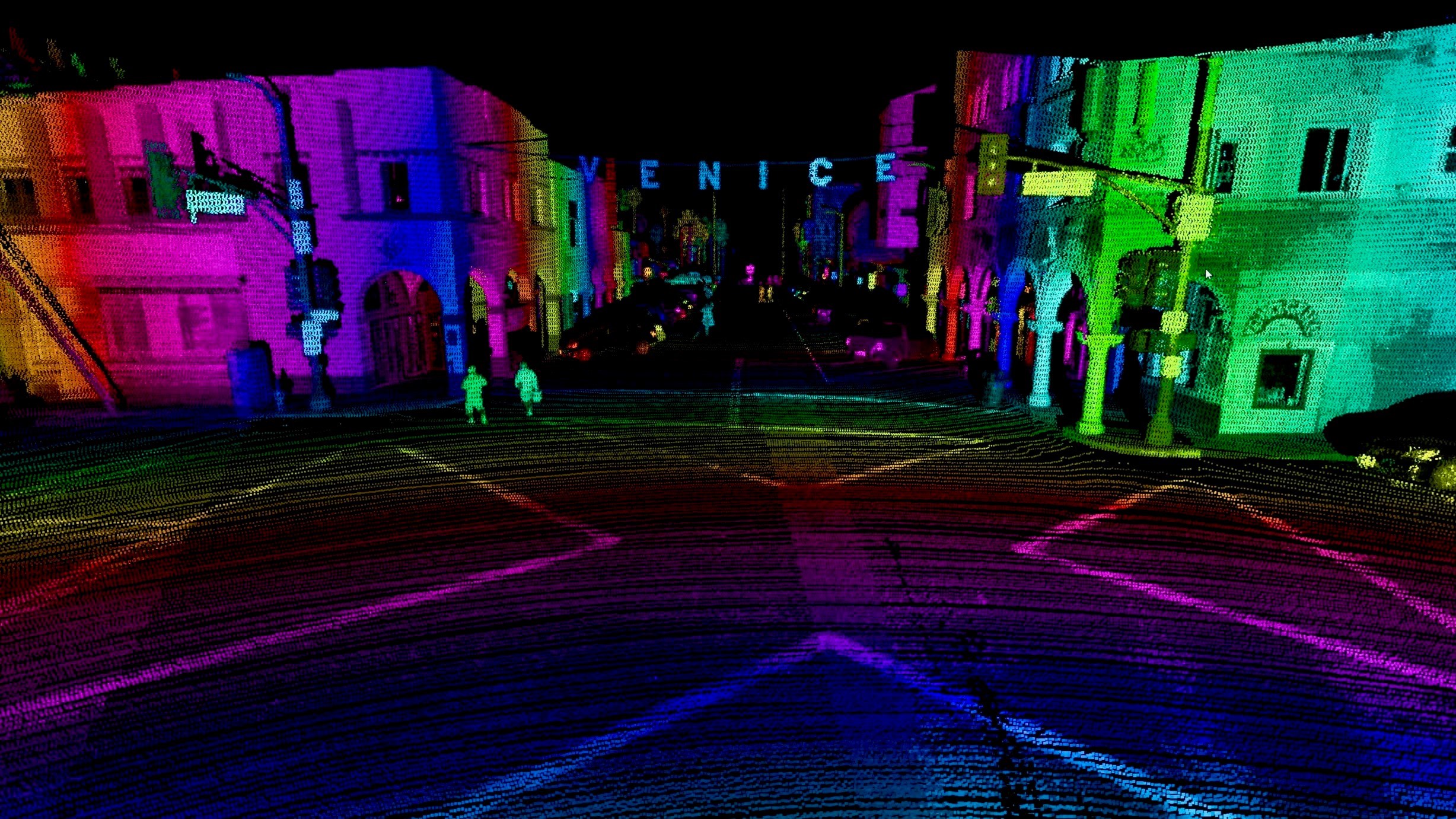
The new perception capabilities being developed by Luminar in partnership with Volvo Cars make it possible for the system to detect human poses including individual limbs such as arms and legs, a level of detail not previously possible with this type of sensor. The new technology is also able to detect objects at a range of up to 250 meters, a much further range than any LiDAR technology currently available.
“Autonomous technology will take driving safely to a new level, beyond human limitations. This promise to improve safety is why Volvo Cars wants to be a leader in autonomous drive. Ultimately, the technology will also create new benefits for our customers and society as a whole,†said Henrik Green, senior vice president for research and development at Volvo Cars. “Luminar shares our ambition in making those benefits a reality and this new perception technology is an important next step in that process.â€
“The Volvo Cars R&D team is moving at an impressive pace to solve some of the most advanced problems in the development of autonomous driving,†said Austin Russell, founder and chief executive officer of Luminar. “As we’ve scaled up, they’ve remained on the forefront of developing an autonomous system to take the driver out of the loop – ultimately enabling deployment in real consumer vehicles.â€
Earlier this year Volvo Cars took a stake in Luminar via the Volvo Cars Tech Fund, an investment fund that targets high-potential technology start-ups. That investment, the Tech Fund’s first, deepened Volvo’s existing collaboration with Luminar, which focused on development and testing of their sensing technology on Volvo cars. Volvo Cars is the first of Luminar’s partners to fully leverage its expanded perception development platform.
Volvo Cars presented the 360c concept, a holistic view of a future of travel that is autonomous, electric, connected and safe, in September of this year. It imagines four potential uses of autonomous driving vehicles – a sleeping environment, mobile office, living room and entertainment space – which all reimagine the way people travel. The 360c also introduces a proposal for a global standard in how autonomous vehicles can safely communicate with all other road users.
A special virtual reality station demonstrating the 360c and Volvo Cars’ vision of autonomous travel will be featured at this year’s Automobility LA.




New spy images reveal a shift in aesthetic direction for the upcoming BMW M5 to move away from the radical Neue Klasse design.
BMW decided to reverse the controversial front design shown by previous Series 5 test mules. Now, the new M5 exhibits two clearly defined nostrils in its main grille. These pieces are less bulky than those of the current model according to what the camouflage wraps allow us to see. The bumper includes an additional elongated opening located just above the license plate. Furthermore, engineers have completely reshaped the vehicle’s lower air intakes.
The rear lights seem ready for final production despite the adhesive tape. They feature a single red line that widens as it reaches the side corners. This lighting signature marks a notable difference compared to the current double-line design. However, the headlights still retain provisional components without LED accent lights. Consequently, the final appearance of the sporty face remains under subtle secrecy.
Technological Revolution and Competitive Weight
The M5 interior will adopt the advanced Panoramic iDrive system originally debuted in the iX3. This technology uses the lower section of the windshield as a series of configurable displays. This setup allows for the installation of a central screen smaller than modern industry standards. Thanks to this, the driver views critical information without looking away from the asphalt. It is a qualitative leap toward the total digitalization of the cockpit.
Regarding its performance, the total weight will reach nearly 5,400 pounds of mass. Although it seems like a high figure, the car remains in line with its direct rivals. For example, an Audi RS6 delivers less power while weighing about 5,000 pounds. The Mercedes-AMG S63 exceeds the BMW with a total weight of 5,800 pounds. Therefore, the M5 remains a balanced option within the segment.
BMW’s M division could increase power to approximately 740 horsepower. However, experts do not expect drastic mechanical changes due to the chassis tonnage. Such a heavy vehicle would unlikely receive a “Competition” type treatment without a prior diet. We will see the final version of this high-performance sedan during the year 2026. Its official commercialization will likely start before the end of the 2027 season.
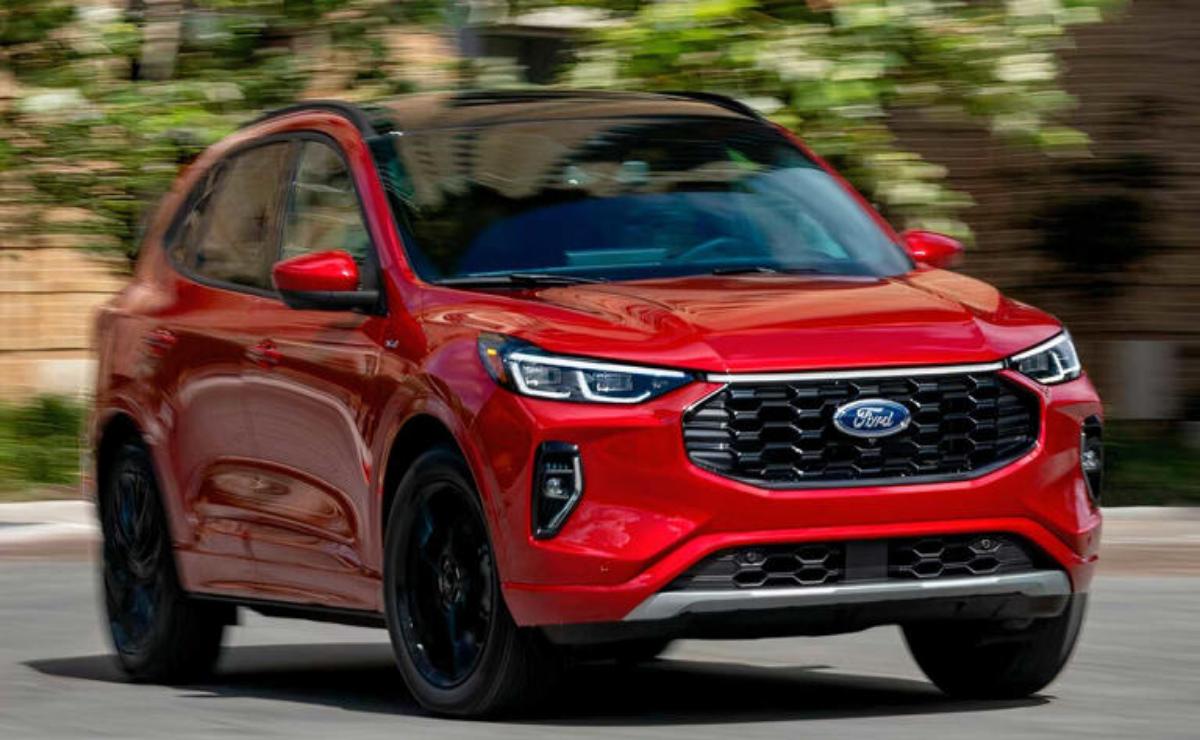
Ford’s iconic compact SUV says goodbye after 25 years to make way for the new electric era. The departure of the Escape marks the end of an era of practical and affordable vehicles within the Blue Oval’s lineup.
Ford officially concludes the production of the Ford Escape at the end of this year, 2025. Currently, this move responds to CEO Jim Farley’s strategy to eliminate “boring” products from the catalog. The company aims to focus its efforts on more profitable and exciting vehicles under the Mustang, Bronco, and Raptor brands. Consequently, the Louisville, Kentucky plant halted the assembly line for this SUV alongside its relative, the Lincoln Corsair.
The Escape held a fundamental place as Ford’s second best-selling SUV for much of its history. In fact, through the third quarter of 2025, the model outsold the entire Bronco family and the Mustang. However, the brand will retool the factory to produce a new mid-size electric pick-up in 2027. Plant employees bid farewell to the last unit built with signatures and messages of affection on the bodywork.

The End of Affordable Practicality
The disappearance of this model leaves a significant gap in the brand’s segment of functional vehicles. The Escape offered a generous cargo space of 37.5 cubic feet behind the second row of seats. Likewise, the vehicle stood out for its efficiency through 40 mpg hybrid options and a competitive PHEV variant. With a starting price of $30,350, it represented the second most affordable option in the entire current catalog.
Concern Within the Dealer Network
Ford dealers have expressed their concern over losing a model with such consistent sales. Some sales managers consider it a strategic mistake to eliminate a vehicle that attracts a very specific buyer. According to experts, neither the Bronco Sport nor the Maverick pick-up fully fills the Escape buyer’s profile. Therefore, interested buyers can still find more than 17,800 new units available at dealerships nationwide.
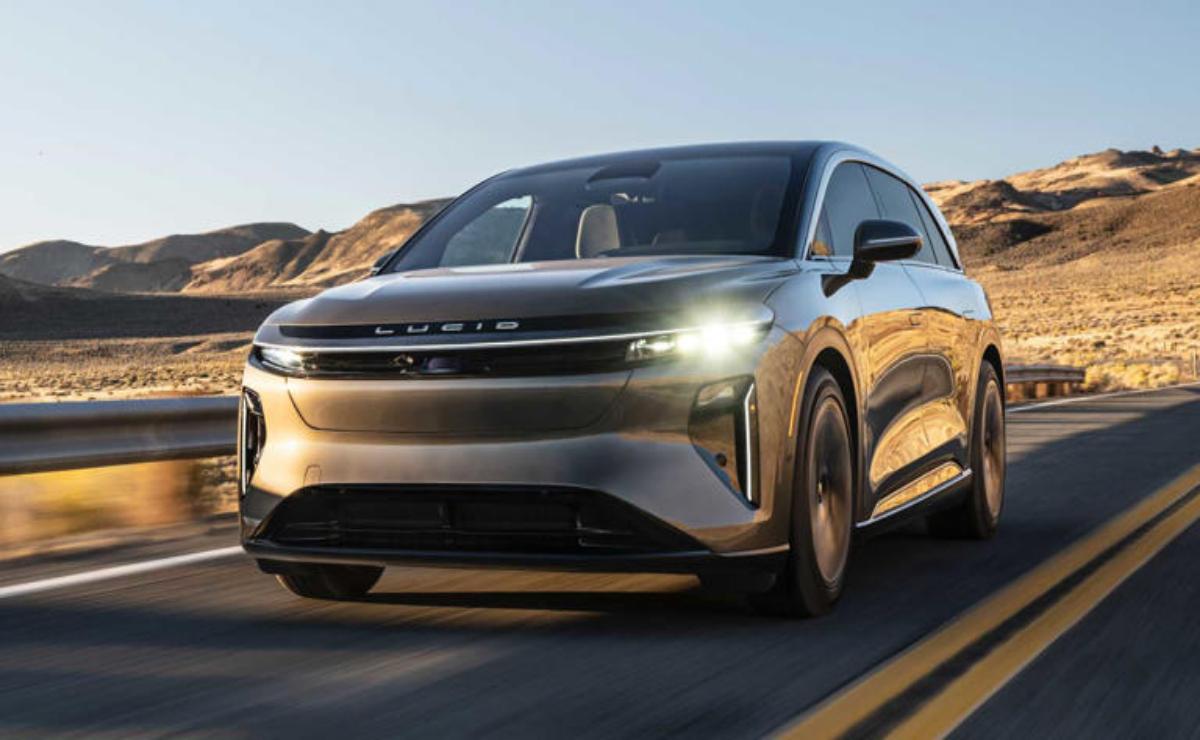
Lucid Motors has issued the first-ever recall for its luxury electric SUV, the 2026 Lucid Gravity. While the number of affected units is small, the issue stands out for its unusual nature: a labeling error on the front seat backrest covers.
The problem originated in the supply chain, specifically with the supplier Piston Interiors, which manufactures the seatback covers for Lucid. Due to human error, “left” and “right” labels were swapped on a batch produced between September 8 and September 22, 2025. Consequently, some driver-side covers were installed on the passenger side and vice versa.
While the error is difficult to detect aesthetically, the safety consequences are critical. Modern seat covers are engineered with specific stitching that allows the side airbag to deploy with the correct force and direction. If the cover is on the wrong side, it could block or divert the airbag during a side impact, significantly increasing the risk of injury to occupants.
Detection and Manufacturer’s Solution
The fault was discovered in October by Hyundai Transys, the company that assembles the complete seats for Lucid, after identifying an incorrect label during assembly. Lucid reacted immediately by issuing a stop-sale order on October 31 and inspecting its inventory. Of the 113 potentially affected vehicles initially identified, only 66 had already reached customers.

To resolve the issue, Lucid will contact owners to bring their vehicles to a service center. Technicians will inspect both front seats and replace the backrest covers at no cost to the customer. The manufacturer has also confirmed it will reimburse any related out-of-pocket expenses owners may have incurred before receiving the official notification.
Preventive Measures and Future Outlook
To prevent this error from recurring, the supplier has implemented a camera-based quality inspection system that verifies labels using machine vision before they leave the production line. Lucid expects to mail official notification letters to affected customers in early February 2026. Despite this logistical setback, Lucid remains focused on the quality of its flagship SUV, which continues to be one of the longest-range electric SUVs on the market.
-
 INTELLIGENT MOBILITY7 months ago
Customers Demand a Manual Honda Prelude: Will It Ever Happen?
-
 TEST DRIVES3 weeks ago
2025 Ford Maverick Lobo
-
 INTELLIGENT MOBILITY7 months ago
BYD Atto 8: The New 7-Seater PHEV SUV Arrives in Mexico
-
 INTELLIGENT MOBILITY7 months ago
New Dodge Charger Hustle Stuff Drag Pack 2025: The Wild Return of the Hemi V8
-
 INTELLIGENT MOBILITY7 months ago
Kia Sportage 2026: Safety Excellence Crowned with IIHS TOP SAFETY PICK+ Award
-
 INTELLIGENT MOBILITY7 months ago
Kia America Achieves Record-Breaking October 2025 Sales
-
 INTELLIGENT MOBILITY7 months ago
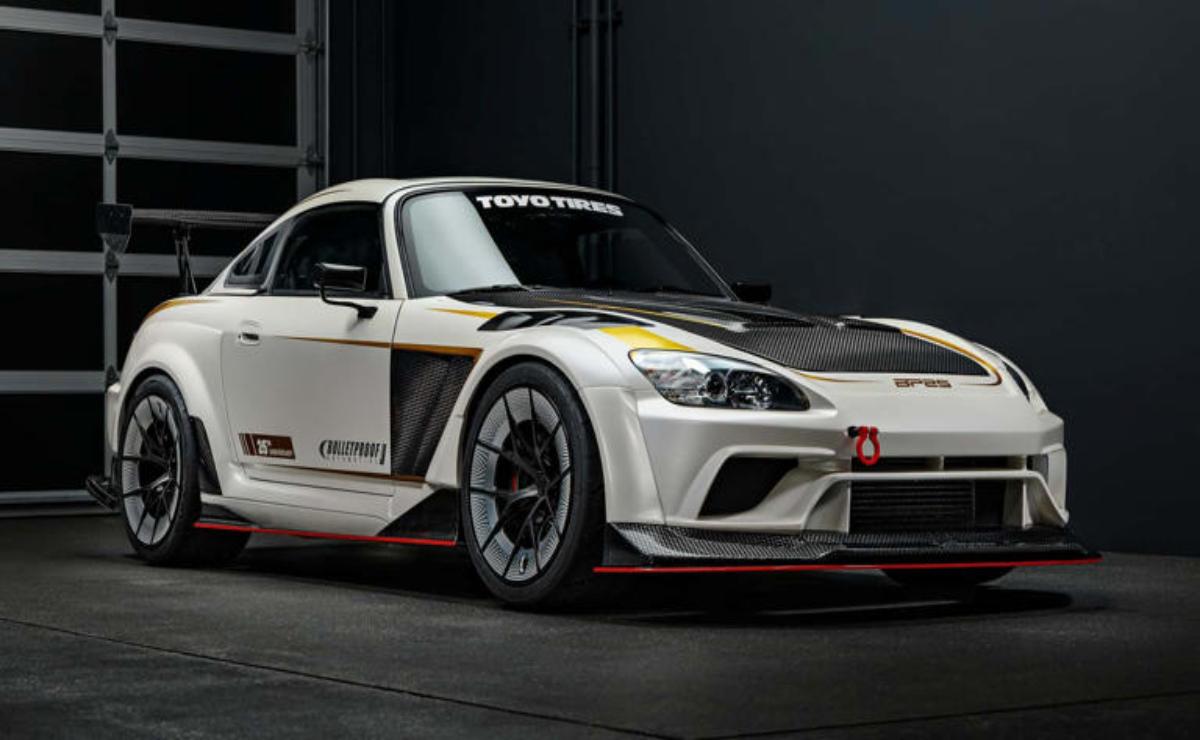
10,000 RPM Madness: The Honda S2000 Resurrected with 580 HP and a Supercharged Heart
-
 INTELLIGENT MOBILITY7 months ago
FIFA World Cup 2026: The Importance of Electric Vehicles
You must be logged in to post a comment Login