
The Hyundai MSA team will participate in the upcoming season with four latest-generation units. This strategic partnership between Hyundai Motorsport and the PMO team aims to dominate regional tracks.
The Hyundai MSA team emerges following the successful track record of the Argentine PMO team. This organization secured significant victories and the Teams’ Championship during 2024. Consequently, the new lineup inherits a solid and winning technical foundation. The team will showcase the Korean brand’s corporate colors for the first time.
Diego Ciantini stands out as the first confirmed driver for this ambitious sporting adventure. The Argentine racer possesses valuable experience in European and South American circuits. Likewise, the team management will announce the three remaining members in the coming weeks. The operational headquarters will be located in Argentina to optimize preparation work. Finally, specialists are dedicating their efforts to planning the season start in March.
Technical Specifications of the Hyundai Elantra N TCR
Hyundai Motorsport develops the Hyundai Elantra N TCR with top-level competitive specifications. A 2.0-liter turbocharged engine generates a maximum power of 350 hp. Additionally, the vehicle offers an excellent power-to-weight ratio of 3.6 kg/hp. The braking system incorporates 380-millimeter front ventilated discs. Similarly, six-piston calipers ensure precise stopping in every demanding corner.

The aerodynamics include an advanced adjustable rear wing built from carbon fiber. This technical component receives the specific name Carbon Swan Neck Spoiler. The 18-inch aerodynamic wheels complement the exterior design of the Korean model. Meanwhile, Italian factories are currently producing the four new race cars. These vehicles will arrive at the local base early next year.
The Path to Regional Dominance in 2026
Hyundai N holds an impeccable record at the 24 Hours of Nürburgring recently. The brand achieved five consecutive victories in the legendary German race since 2021. Now, the South American calendar proposes ten intense dates in Argentina, Brazil, and Uruguay. Previous training sessions will allow for performance adjustments before the official track debut. The Elantra N TCR seeks to repeat its successes achieved on the international stage.











Ford has announced that its upcoming electric vehicles will replace Google-based navigation with native Apple Maps, bringing improved EV route planning and enhanced hands-free driving features.
Ford is preparing a major change for its next generation of electric vehicles. Beginning with its new Universal Electric Vehicle (UEV) platform, the automaker will introduce native Apple Maps integration, giving drivers built-in navigation without relying on Apple CarPlay.
Moreover, the new system is expected to improve both the EV ownership experience and Ford’s advanced driver-assistance technology.
Apple Maps Will Be Built Into Ford’s EVs
Unlike traditional Apple Maps, which requires an iPhone connected through Apple CarPlay, Ford’s upcoming system will operate directly from the vehicle’s infotainment software.
As a result, every driver will have access to real-time traffic updates, intelligent EV route planning and battery preconditioning, regardless of whether they own an iPhone.
Meanwhile, Apple CarPlay will remain available for customers who prefer using their smartphone interface.

Ford’s next-generation EVs will feature Apple Maps integrated directly into the infotainment system.
BlueCruise Receives a Major Technology Upgrade
The new Ford Apple Maps integration goes beyond navigation.
Ford says Apple Maps’ highly detailed road data will help improve the next generation of BlueCruise, the company’s hands-free driving system. Consequently, BlueCruise will be able to deliver more accurate operation between highway entrance and exit ramps, making the driving experience smoother and more reliable.
Furthermore, the additional mapping data is expected to improve route awareness and vehicle positioning during assisted driving.

Apple Maps data will help enhance Ford’s BlueCruise hands-free driving system.
Ford Takes a Different Direction From Rivals
Ford’s new strategy sets it apart from several major competitors.
While some automakers continue relying on proprietary infotainment platforms or Google-based operating systems, Ford has chosen to integrate Apple Maps directly into its next-generation EV architecture.
The technology will debut on the company’s approximately $30,000 midsize electric pickup, which is scheduled to launch in 2027 before expanding to additional models built on the UEV platform.

Ford’s affordable electric pickup will be the first model to launch with native Apple Maps.
Ford Apple Maps Marks a New Direction for Future EVs
The Ford Apple Maps partnership represents a significant step in the company’s software strategy.
Overall, native Apple Maps integration should provide a more seamless navigation experience while supporting smarter charging, improved route planning and enhanced BlueCruise performance. As Ford expands its next-generation EV lineup, software is becoming just as important as hardware in defining the driving experience.
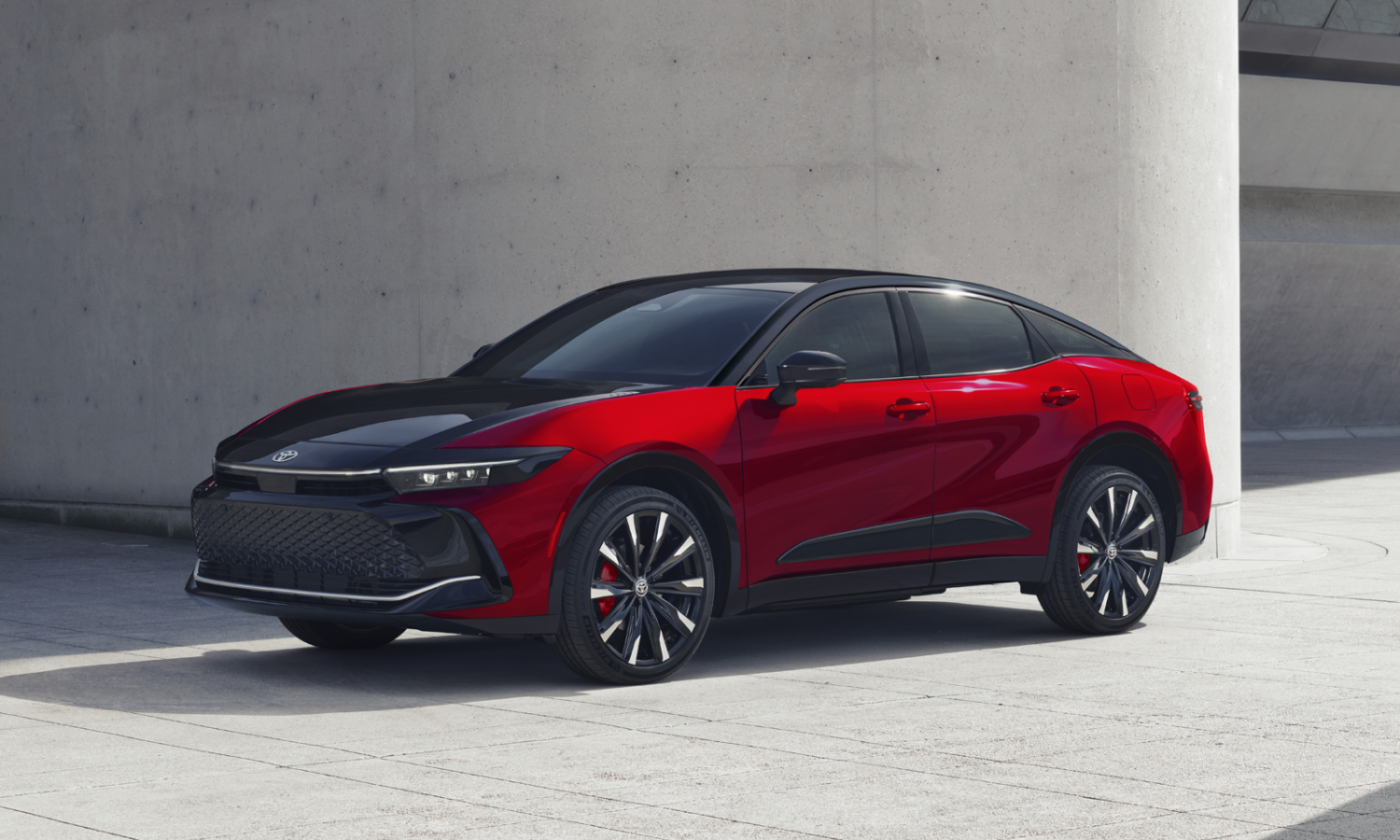
Toyota has refreshed the 2027 Crown with a next-generation hybrid system, updated styling, new technology and additional premium features for its flagship sedan.
The 2027 Toyota Crown receives a comprehensive update that enhances both performance and luxury. Toyota has introduced its fifth-generation hybrid system on most trims, refreshed the exterior styling and expanded premium features throughout the lineup.
Available in four grades, the updated Crown continues to blend sedan comfort with crossover-inspired practicality while offering improved efficiency, advanced technology and a more refined driving experience.

The 2027 Toyota Crown features updated styling and a new fifth-generation hybrid system.
Fifth-Generation Hybrid System Improves Performance
The biggest mechanical upgrade for the 2027 Toyota Crown is the introduction of Toyota’s fifth-generation Hybrid System (THS 5) on the XLE, Limited and Nightshade trims.
The system pairs a 2.5-liter gasoline engine with front and rear electric motors, delivering smoother acceleration while maintaining an EPA-estimated 40 mpg combined. Paddle shifters are also now standard on these grades, providing a more engaging driving experience.
For drivers seeking additional performance, the Platinum grade continues to feature Toyota’s Hybrid MAX powertrain. This setup combines a turbocharged 2.4-liter engine with an electric motor to produce 340 net combined horsepower and 400 lb-ft of torque, paired with a six-speed automatic transmission.
Refreshed Exterior Brings a More Premium Appearance
Toyota has refined the exterior design of the 2027 Toyota Crown with subtle but noticeable styling improvements.
A redesigned rear bumper gives the sedan a cleaner and more sophisticated profile, while updated satin-finished hybrid and all-wheel-drive badges add a modern touch.
The Platinum trim now includes red brake calipers, black window trim and an updated two-tone paint design featuring a body-colored trunk combined with a contrasting black roof.
Toyota also expands the color palette with the addition of Inked, a new black exterior finish, alongside existing colors including Oxygen White, Heavy Metal, Bronze Age, Finish Line Red and Storm Cloud.

The Platinum trim receives exclusive styling upgrades, including red brake calipers and refined two-tone paint.
A More Luxurious Cabin
Inside, the 2027 Toyota Crown continues its premium approach with new interior options and enhanced comfort.
The Limited grade now offers full Saddle Tan seating, while Platinum buyers can also choose the same elegant interior color. The Bronze Age exterior can now be paired with the Saddle Tan cabin, creating one of the lineup’s most distinctive combinations.
Every model comes equipped with a 12.3-inch digital instrument cluster and a 12.3-inch Toyota Audio Multimedia touchscreen. Heated and ventilated front seats, wireless Apple CarPlay, Android Auto, multiple USB-C ports and a wireless charging pad are standard across the range.
Higher trims further add a panoramic moonroof, JBL premium audio, a Head-Up Display and a Panoramic View Monitor.
Advanced Technology and Standard All-Wheel Drive
Every 2027 Toyota Crown comes standard with all-wheel drive, although Toyota offers two different AWD systems depending on the powertrain.
Hybrid models equipped with THS 5 use an Electronic On-Demand AWD system that automatically powers the rear wheels when additional traction is needed.
Meanwhile, the Platinum trim benefits from a Full-Time Electronic AWD system paired with the Hybrid MAX powertrain, helping maximize grip and improve overall handling.
Drivers can also select multiple drive modes, including Normal, Eco, Sport and Custom, while Platinum models add an exclusive Rear Comfort mode that prioritizes ride quality for rear passengers.

Every 2027 Toyota Crown features standard all-wheel drive and a 12.3-inch multimedia touchscreen.
The 2027 Toyota Crown Continues to Raise the Bar
The 2027 Toyota Crown builds on its unique identity by combining premium comfort, efficient hybrid technology and distinctive styling.
With the addition of Toyota’s latest hybrid system, refreshed exterior design, expanded luxury features and improved technology, the updated Crown offers an even stronger package for buyers looking for a sophisticated full-size hybrid sedan.
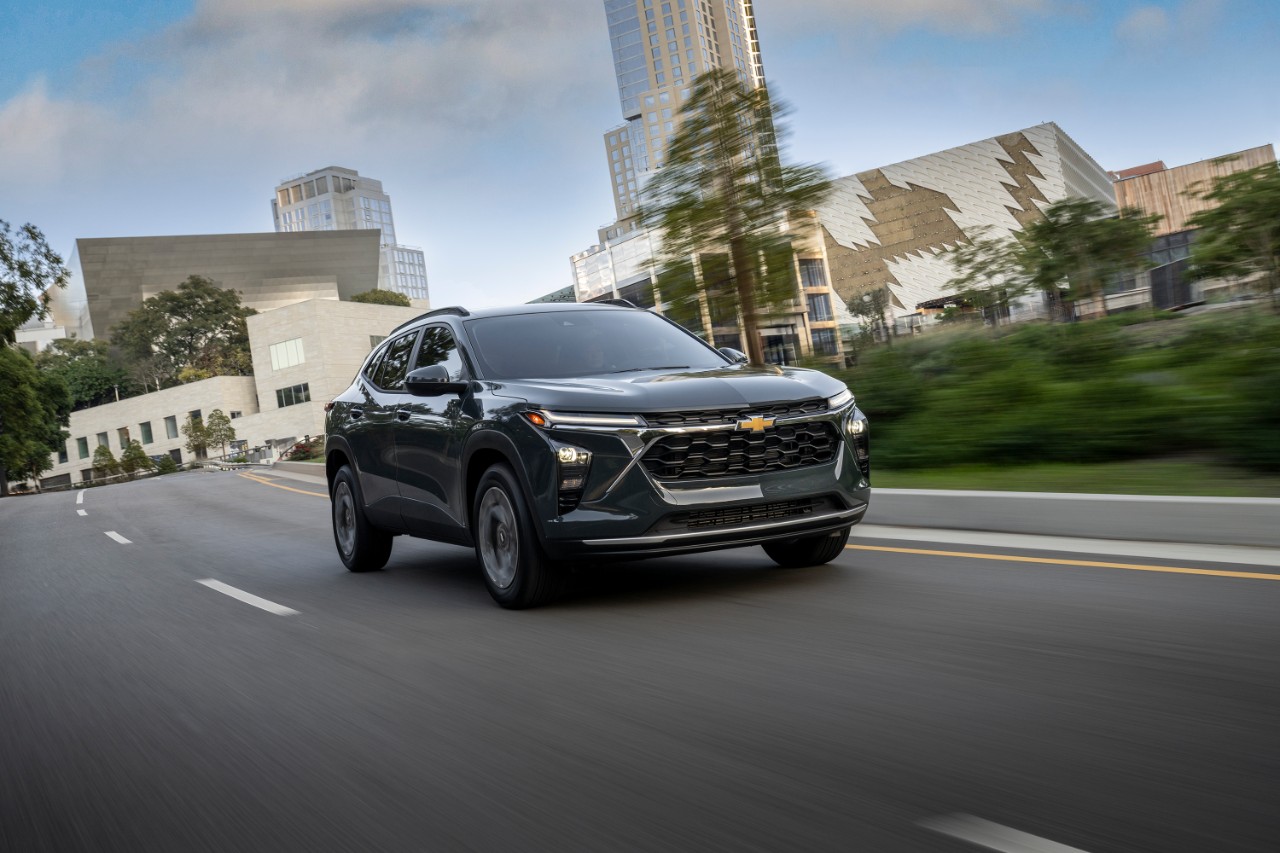
GM is reminding drivers how OnStar’s connected security features and a few simple habits can help reduce the risk of vehicle theft while improving recovery if a theft occurs.
OnStar vehicle theft protection continues to play an important role in helping GM customers prevent vehicle theft and recover stolen vehicles. As summer travel increases across the United States, GM is encouraging Chevrolet, GMC and Cadillac owners to combine connected technology with smart security habits.
According to the automaker, simple precautions and built-in OnStar features can significantly improve both theft prevention and vehicle recovery.

OnStar vehicle theft protection combines connected technology with security features designed for GM vehicles.
Vehicle Theft Remains a Major Concern
Vehicle theft continues to affect hundreds of thousands of drivers every year.
More than 650,000 vehicles were stolen in the United States during 2025. Although thefts declined compared with the previous year, the issue remains a serious concern.
Furthermore, GM says more than half of vehicle theft cases begin with preventable mistakes. Leaving a key fob inside the vehicle or walking away while the engine is running are among the most common causes.
OnStar Provides Connected Security Tools
OnStar vehicle theft protection includes several connected features designed to improve vehicle security.
Owners of eligible 2025 and newer GM vehicles can remotely lock or unlock their vehicle through the mobile app. In addition, some models allow drivers to activate the horn or flash the headlights if suspicious activity is detected nearby.
Customers can also receive alarm notifications by text message, email or phone call. As a result, they can respond quickly even when they are away from the vehicle.

Eligible GM owners can manage several vehicle security functions directly from the OnStar mobile app.
OnStar Supports Law Enforcement During Recoveries
OnStar advisors assist with approximately 1,500 stolen vehicle requests every month across North America.
After a theft is reported and confirmed by law enforcement, OnStar can use GPS technology to help authorities locate the vehicle. Moreover, advisors work directly with police throughout the recovery process.
The service also includes Remote Ignition Block, which can prevent the engine from restarting. Additionally, Stolen Vehicle Slowdown may safely reduce the vehicle’s speed when law enforcement determines that conditions allow it.
GM Expands Security for Fleet Customers
GM also offers advanced security solutions for commercial fleets.
Through OnStar Vehicle Insights, fleet managers can remotely disable authorized vehicles using Drive Block technology. Consequently, businesses can reduce unauthorized vehicle use and improve fleet security.
These tools provide additional protection for companies operating multiple vehicles across different locations.

OnStar works with law enforcement to help recover stolen GM vehicles using connected technology.
Simple Habits Can Reduce Vehicle Theft
Technology is only part of the solution.
GM encourages drivers to always lock their doors, close every window and take their keys when leaving the vehicle. Furthermore, owners should keep valuables out of sight, secure their garages and avoid storing key fobs near unlocked entrances at home.
Reviewing vehicle security settings and keeping OnStar vehicle theft protection active can also improve response times if a theft occurs.
OnStar Vehicle Theft Protection Continues to Evolve
OnStar vehicle theft protection combines connected technology, trained advisors and advanced security features to help GM owners protect their vehicles.
Overall, the platform gives drivers faster access to security tools, supports law enforcement during recoveries and encourages safer ownership habits. As vehicle theft methods continue to evolve, OnStar vehicle theft protection remains a valuable part of the connected ownership experience.
-
 TEST DRIVES2 months ago
2026 Subaru Outback Touring
-
 TEST DRIVES2 months ago
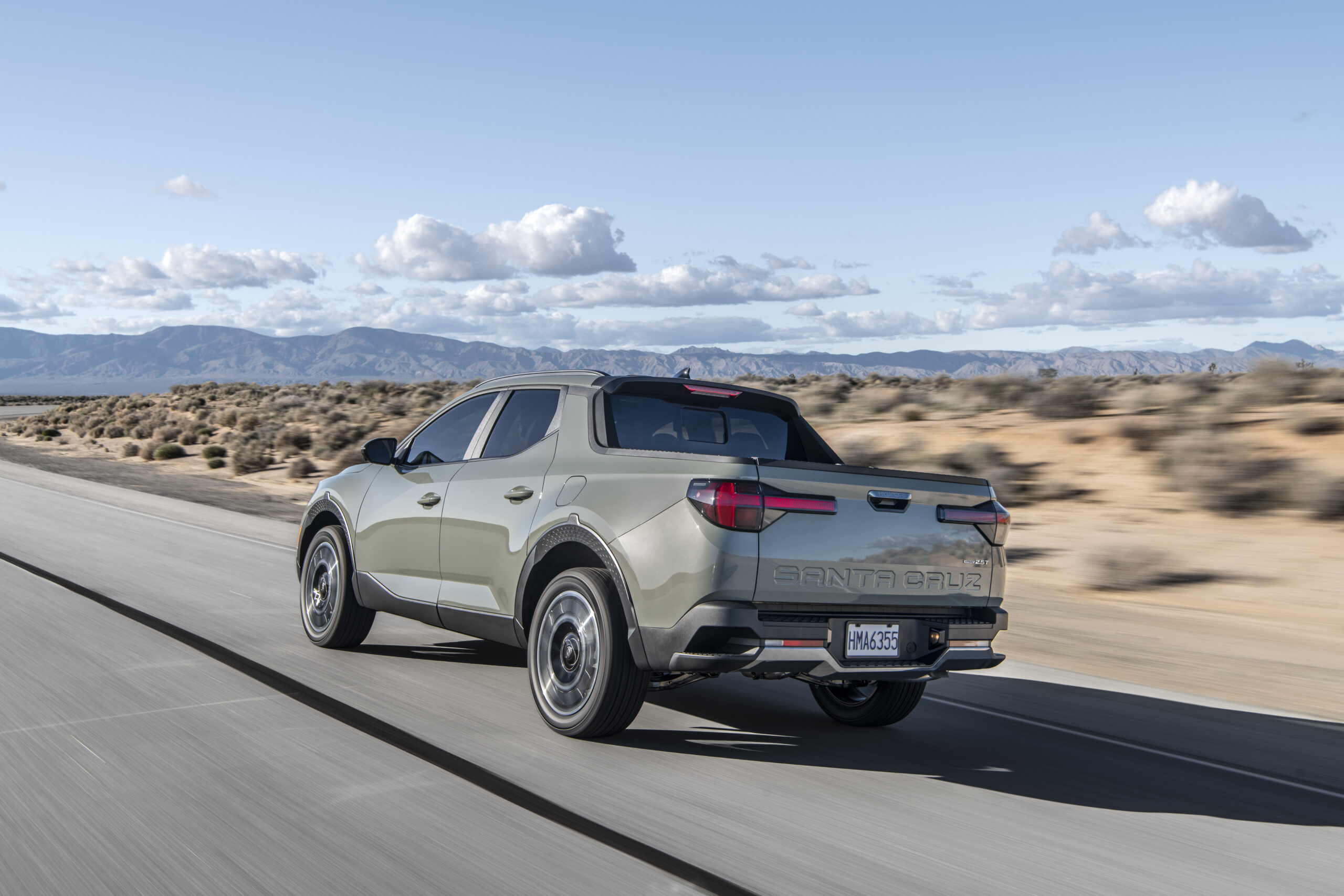
2026 Hyundai Santa Cruz Limited AWD
-
 TEST DRIVES1 month ago
Lamborghini prepares multiple launches for 2026 as electrification plans continue
-
 RACING1 month ago
Barcelona-Catalunya Grand Prix: Everything You Need To Know About Formula 1’s Ultimate Benchmark Circuit
-
 INTELLIGENT MOBILITY1 month ago
2026 Cadillac Escalade IQL Redefines Luxury In The Electric SUV Segment
-
 RACING1 month ago
George Russell Leads Final Barcelona Practice As Kimi Antonelli Receives Reprimand
-
 NOW TRENDING2 months ago
Porsche Creates A Buzz Lightyear-Inspired 911 GT3 RS That Looks Ready To Go “To Infinity And Beyond”
-
 RACING2 months ago
Why Formula 1 Has Pit Lane Speed Limits And How They Are Measured
You must be logged in to post a comment Login