
Formula1
Williams Admits FW48 Pace Was Too Limiting in Sepang

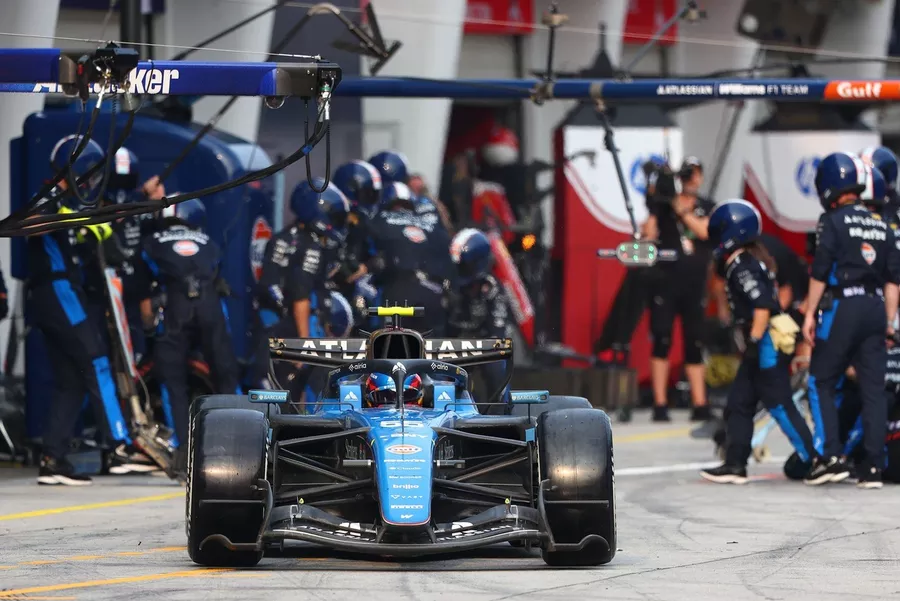
Williams got its strategy right in Sepang, but James Vowles admits the FW48 lacked the pace needed to turn that decision into a strong result.
Williams left the 2026 Malaysian Grand Prix at Sepang with mixed feelings. The team made the right call before the start, but the FW48 did not have enough performance to capitalize on it.
Rain before the race made the tire choice extremely difficult. The track conditions were changing quickly, and the field split between slicks and intermediate tires.
Williams stayed with its original plan and started on intermediates. That decision proved to be the right one, giving the team an early advantage over several rivals.

Williams Got the Strategy Right, but the Pace Was Missing
James Vowles believes Williams made the correct decision before the lights went out. The uncertain conditions made it difficult to know whether the circuit would favor wet-weather tires or dry-weather rubber.
The team committed to intermediates. That gave Williams a strong position during the early stages of the race.
The pit stop also worked in its favor. Williams completed a clean stop and moved into a promising position compared with the cars behind.
However, the situation changed dramatically when the safety car appeared.
The neutralization erased the advantage Williams had built during the opening phase. The field was brought back together, leaving the team with far less strategic margin.
From there, the FW48 simply could not match the pace of its rivals. Tire degradation, pit-stop decisions and incidents made the race increasingly difficult.

Once the safety car closed the gaps, Williams struggled to defend its position.
The FW48 Exposed Its Biggest Weakness
Vowles made it clear that Williams did not lose the race because of a major strategic mistake. Instead, the biggest problem was the car’s lack of performance.
The FW48 could not maintain its position once the initial advantage disappeared. As the race developed, Williams began losing places while other drivers benefited from the changing circumstances.
Carlos Sainz completed a solid race but could not reach the points. The Spaniard extracted what he could from the package, yet the car did not give him enough speed to fight for a stronger result.
Alex Albon had an even tougher afternoon. A gearbox problem forced him to retire, ending his race before he could capitalize on the team’s early strategy.
The result highlighted a difficult reality for Williams. Good decisions can only compensate for a performance deficit to a certain point.

James Vowles is already looking beyond the FW48 as Williams prepares its next step.
Williams Is Already Looking Toward 2027
The Sepang weekend also reinforced where Williams is directing its attention. Vowles acknowledged that some upcoming circuits should suit the FW48 better.
Singapore, for example, could provide a more favorable environment for the car. Other tracks later in the season may also allow Williams to fight closer to the midfield.
Still, the team’s main priority is no longer simply extracting short-term gains from the current car.
Williams is already putting most of its attention on the 2027 project.
That approach requires patience. The FW48 may continue to produce frustrating weekends, but the team is using the remaining races to learn, develop its processes and prepare for a more competitive future.
For Williams, Sepang was therefore less about a failed strategy and more about the limitations of the current package. The team made the right calls, but the car did not have enough pace to turn them into points.








-

 NOW TRENDING2 months ago
Land Rover Defender Recall 2026: 23,677 JLR SUVs Affected
-
 NOW TRENDING2 months ago
Hyundai September 2026 Sales Hit Record 77,439
-

 NOW TRENDING2 months ago
2027 Silverado HD: New 8.3L Duramax V8 Revealed
-
 NOW TRENDING2 months ago
Cadillac EVs 2026: All Five Electric Models Explained
-

 NOW TRENDING2 months ago
Porsche Gas Macan Returns in 2028 as EV Plans Evolve
-
 INTELLIGENT MOBILITY2 months ago
GM and PG&E Make Home EV Charging Easier for Buyers
-
 INTELLIGENT MOBILITY2 months ago
Waymo Safety Data Shows 82% Fewer Injury Crashes
-

 INTELLIGENT MOBILITY2 months ago
IONNA EV Charging Network More Than Doubles in 2026