
NOW TRENDING
Mazda CX-30 Generation Change Delayed Until 2031

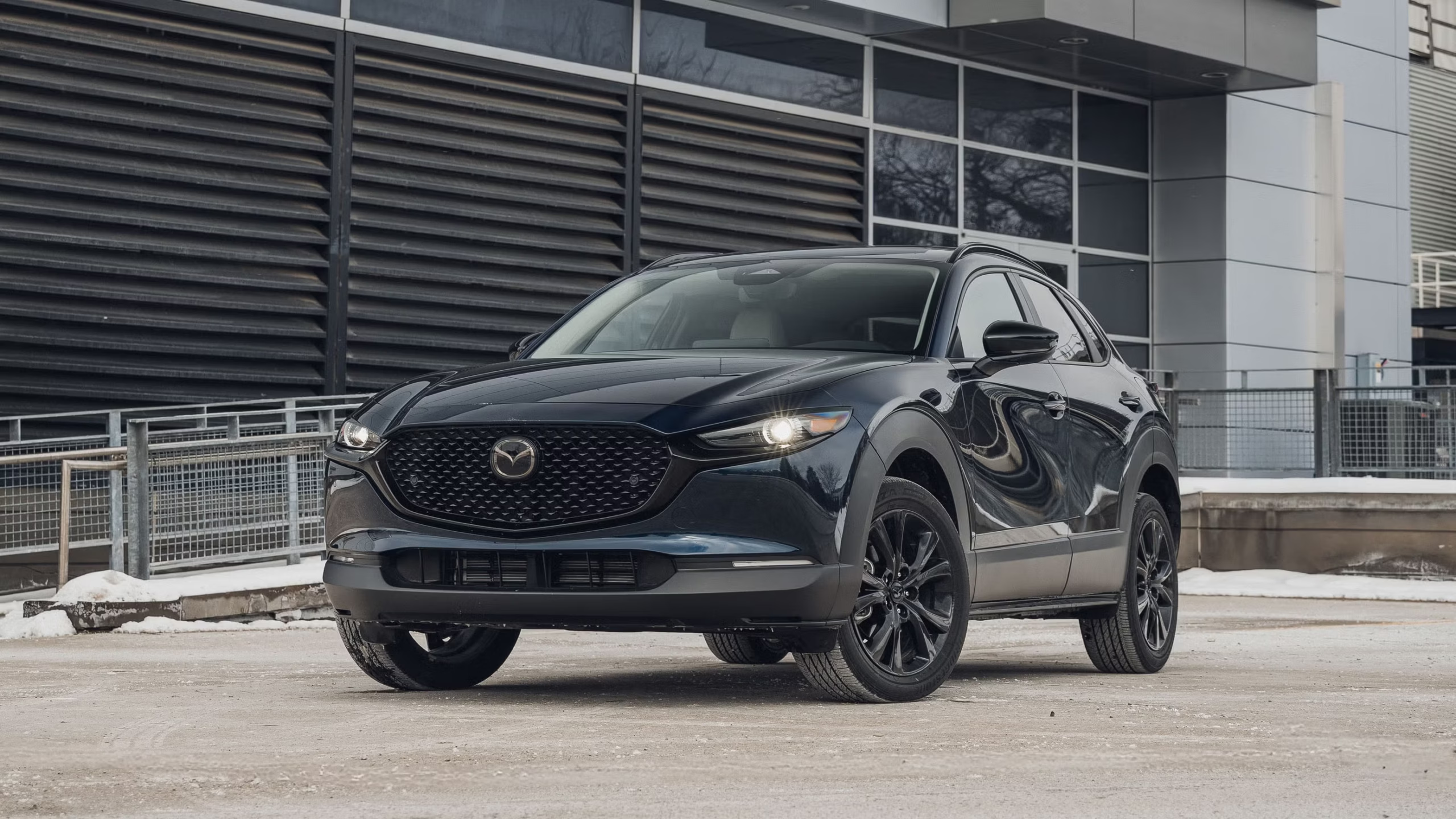
Mazda’s popular subcompact SUV will remain in its current generation for years longer than expected as rising costs and U.S. tariffs delay its replacement.
Mazda is delaying the next generation of the CX-30 until 2031, meaning the current subcompact SUV could remain on sale for more than a decade.
The news comes from Mazda CEO Masahiro Moro, who told Japanese newspaper Chugoku Shimbun that the replacement is planned for the company’s fiscal 2030. That fiscal year runs through March 2031.
The decision highlights the financial pressure facing Mazda as the automaker deals with higher production costs, economic uncertainty, and increased U.S. tariffs on Japanese-built vehicles.
The CX-30 will have a long life cycle
The Mazda CX-30 first arrived in the United States for the 2020 model year. Under a traditional product cycle, the current generation would normally be approaching its replacement much sooner.
Instead, Mazda plans to keep the model in production well into the next decade.
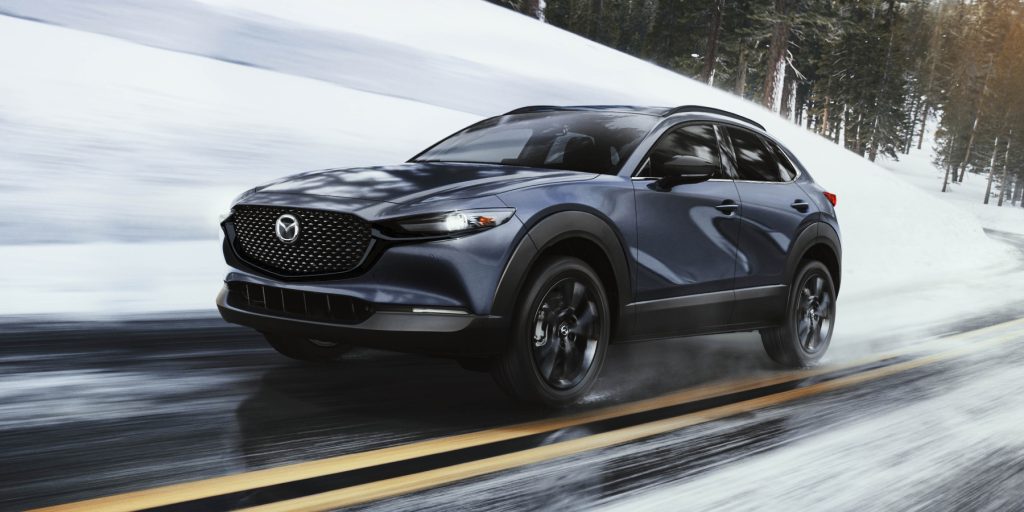
The Mazda CX-30 launched in the U.S. for 2020 and is now expected to remain on sale until the next generation arrives.
Moro said the company is facing several global challenges, including economic instability in key markets and rising raw material costs.
U.S. tariffs are another major concern.
Mazda currently has only one vehicle built in the United States, the CX-50. The company’s Japanese-built vehicles have been affected by a 15% U.S. tariff, increasing the cost pressure on the business.
Rising costs are forcing Mazda to rethink timing
Developing a completely new vehicle requires a major investment. For a smaller automaker such as Mazda, delaying a new generation can help control spending during a difficult economic period.
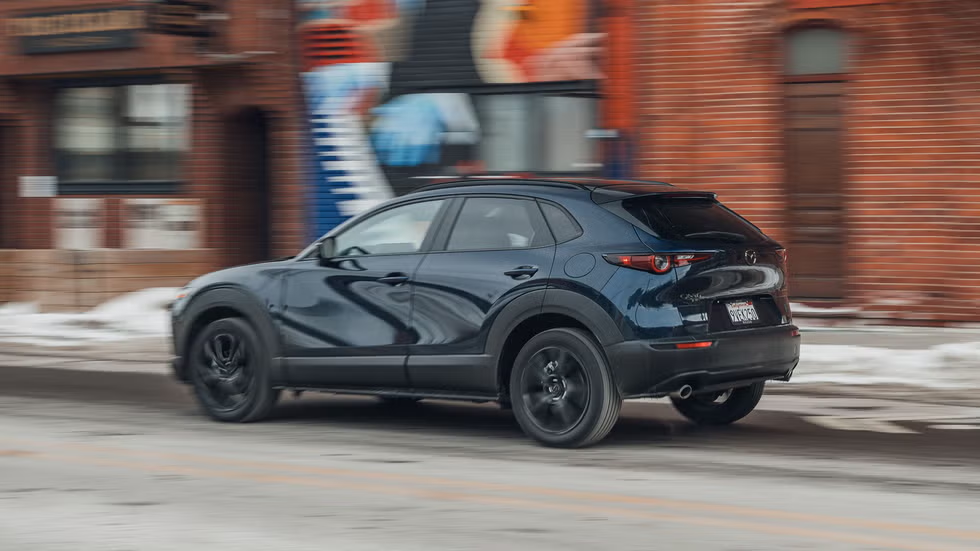
Rising production costs and U.S. tariffs are contributing to the delay of the next-generation Mazda CX-30.
The strategy does come with risks.
The CX-30 competes in a segment where rivals are constantly adding new technology, updated styling, and improved efficiency. Keeping the same basic generation for so long could make it harder for Mazda to stay competitive.
Still, the company has another option.
Mazda could introduce one or more significant refreshes before the new generation arrives. That would allow the automaker to update the SUV’s appearance, technology, and equipment without the expense of developing an entirely new vehicle.
The CX-30 remains important to Mazda
Despite the delay, the CX-30 remains an important part of Mazda’s global lineup.
In the United States, it was the brand’s third-best-selling model in 2025, with 56,684 units sold.
That figure was down significantly from the 96,515 units sold in 2023, showing that demand has weakened even though the model remains a key product.
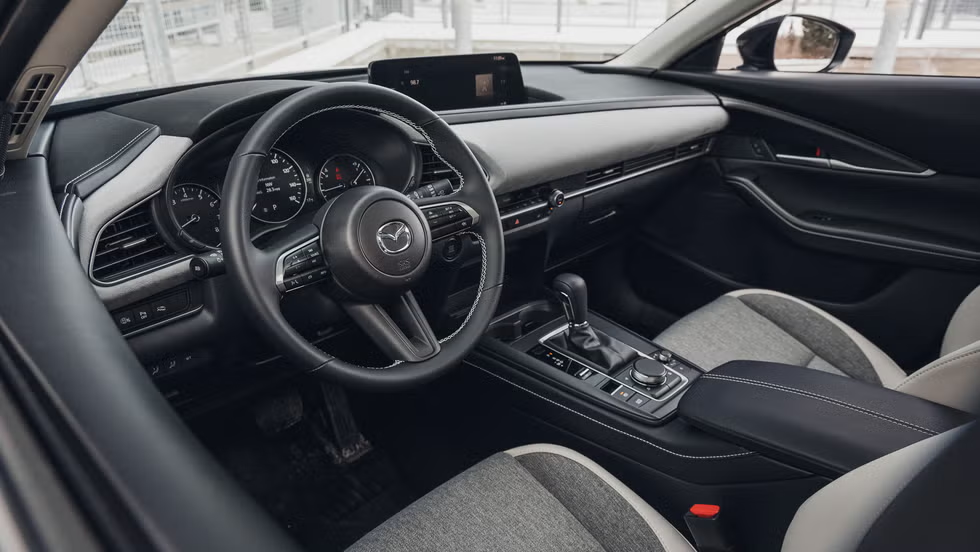
The CX-30 remains one of Mazda’s most important models despite declining U.S. sales in recent years.
Globally, the CX-30 is even more significant. Mazda sold 208,869 units worldwide, making it the company’s second-most-popular vehicle.
Those numbers make it unlikely that Mazda will simply leave the CX-30 unchanged until 2031.
The company has not announced specific future updates, but a substantial refresh during the current model’s extended life cycle would make sense.
A longer wait for Mazda’s next small SUV
The delayed Mazda CX-30 replacement reflects the financial realities facing smaller automakers.
Rather than rushing into a costly new generation, Mazda appears willing to extend the current model while dealing with tariffs, material costs, and economic uncertainty.
That means customers should expect the existing CX-30 to remain part of Mazda’s U.S. lineup for several more years. The company may use updates along the way to keep the SUV competitive until its true successor arrives around 2031.









-
 NOW TRENDING2 months ago
Land Rover Defender Recall 2026: 23,677 JLR SUVs Affected
-
 NOW TRENDING2 months ago
Hyundai September 2026 Sales Hit Record 77,439
-
 NOW TRENDING2 months ago
2027 Silverado HD: New 8.3L Duramax V8 Revealed
-
 NOW TRENDING2 months ago
Cadillac EVs 2026: All Five Electric Models Explained
-

 NOW TRENDING2 months ago
Porsche Gas Macan Returns in 2028 as EV Plans Evolve
-

 INTELLIGENT MOBILITY2 months ago
GM and PG&E Make Home EV Charging Easier for Buyers
-
 INTELLIGENT MOBILITY2 months ago
Waymo Safety Data Shows 82% Fewer Injury Crashes
-
 NOW TRENDING2 months ago
2027 Toyota Grand Highlander Woodland Adds Adventure