
Formula1
2026 F1 Regulations Are Exposing the Biggest Weaknesses at Williams and Aston Martin

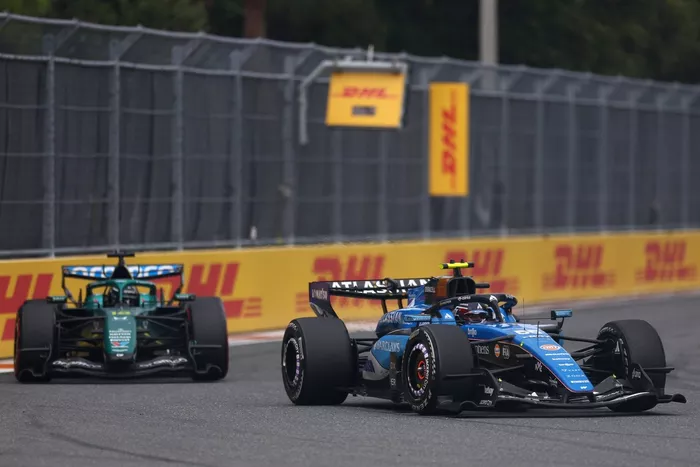
The 2026 F1 regulations have created one of Formula 1’s toughest technical challenges in years, exposing development issues at Williams and Aston Martin while reshaping the competitive landscape.
2026 F1 Regulations Challenge Williams and Aston Martin
The 2026 F1 regulations are reshaping Formula 1 by introducing one of the most demanding technical rule changes in decades. As teams adapt to new power units, revised aerodynamics and tighter engineering constraints, Williams and Aston Martin have acknowledged the development challenges that have affected their performance this season.
Rather than exposing flaws, the new regulations are demonstrating just how difficult it is to build a competitive Formula 1 car under an entirely new set of technical rules.
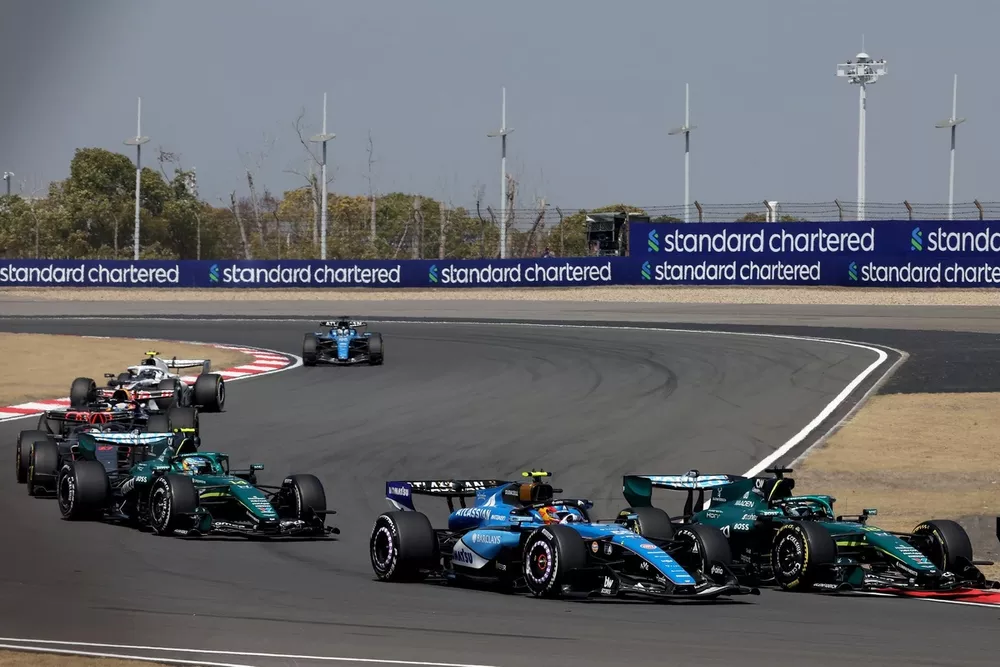
The 2026 regulations have significantly increased the complexity of Formula 1 car development.
A more demanding Formula 1 rewards operational excellence
Unlike the previous generation of regulations, the 2026 F1 regulations have created far more opportunities for teams to make costly mistakes.
New power units, revised aerodynamics and stricter efficiency targets have forced engineering departments to redesign many of their internal processes while remaining within Formula 1’s cost cap.
Even Cadillac, Formula 1’s newest team, has shown promising pace but has struggled with reliability and operational execution as it adapts to the demands of the championship.
The new rules have once again highlighted that organizational efficiency is just as important as engineering talent.
Development now matters more than ever
The 2026 F1 regulations have widened the gap between teams capable of executing flawless development programs and those still rebuilding their internal structures.
For Williams, the priority is recovering from a difficult start through planned upgrade packages later in the season. Aston Martin faces an even bigger challenge as it continues integrating Honda’s new power unit while refining its own chassis and gearbox development.
These setbacks demonstrate that building a championship-winning Formula 1 team requires years of investment in people, processes and infrastructure—not simply recruiting high-profile engineers.
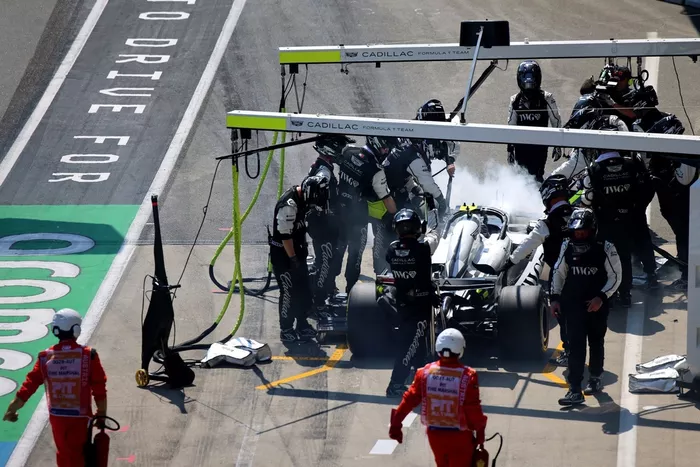
Teams are facing one of Formula 1’s most demanding development cycles in years.
The new regulations are making Formula 1 more competitive
Although Williams and Aston Martin have endured disappointing campaigns so far, their struggles also highlight one of the biggest successes of the 2026 F1 regulations.
The new rule set has made Formula 1 less predictable by rewarding technical innovation, operational excellence and long-term planning instead of allowing established teams to rely on mature concepts.
As development continues throughout the season, the teams that solve these complex engineering challenges the fastest are likely to emerge as the championship’s new benchmark.
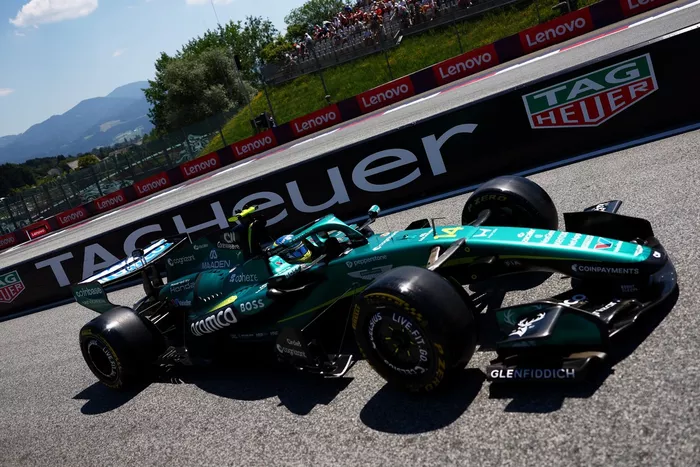
The 2026 regulations are reshaping Formula 1’s competitive order.
The 2026 F1 regulations are proving to be one of the sport’s biggest technical resets in decades. While Williams and Aston Martin have paid the price for difficult transitions, their experience underscores just how challenging modern Formula 1 has become and why engineering excellence remains the ultimate competitive advantage.











-

 NOW TRENDING2 months ago
Land Rover Defender Recall 2026: 23,677 JLR SUVs Affected
-

 NOW TRENDING2 months ago
Hyundai September 2026 Sales Hit Record 77,439
-

 NOW TRENDING2 months ago
2027 Silverado HD: New 8.3L Duramax V8 Revealed
-

 NOW TRENDING2 months ago
Cadillac EVs 2026: All Five Electric Models Explained
-

 NOW TRENDING2 months ago
Porsche Gas Macan Returns in 2028 as EV Plans Evolve
-

 NOW TRENDING2 months ago
2027 Toyota Grand Highlander Woodland Adds Adventure
-

 INTELLIGENT MOBILITY2 months ago
GM and PG&E Make Home EV Charging Easier for Buyers
-
 INTELLIGENT MOBILITY2 months ago
Waymo Safety Data Shows 82% Fewer Injury Crashes