
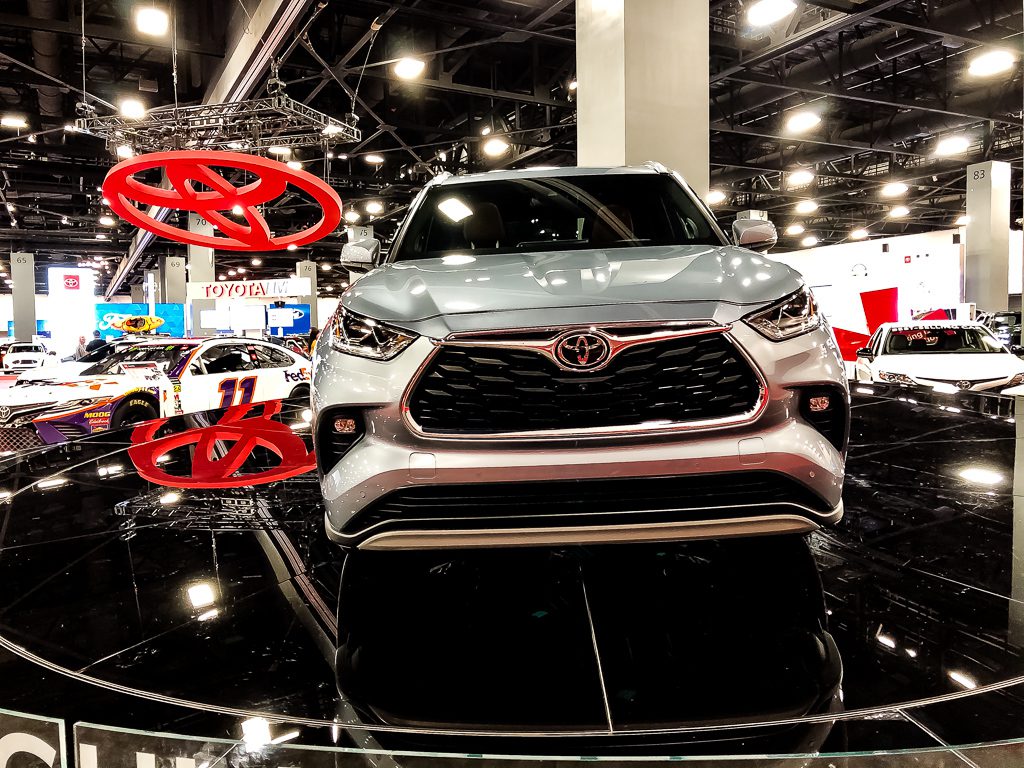
Esta semana hemos tenido la oportunidad de viajar a Miami con motivo de la 48 Edición del Salón Internacional del Automóvil que Miami albergará hasta el próximo dÃa 13 de Octubre en su nuevo convention center.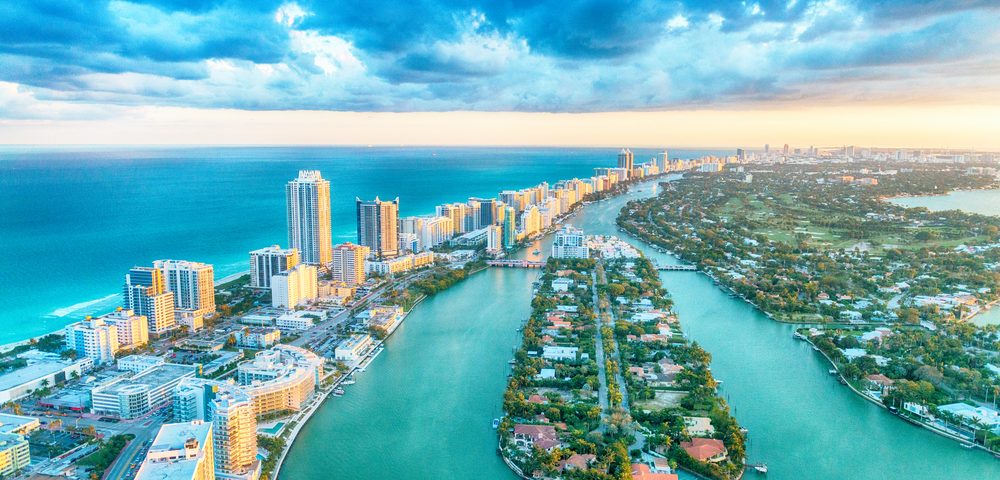
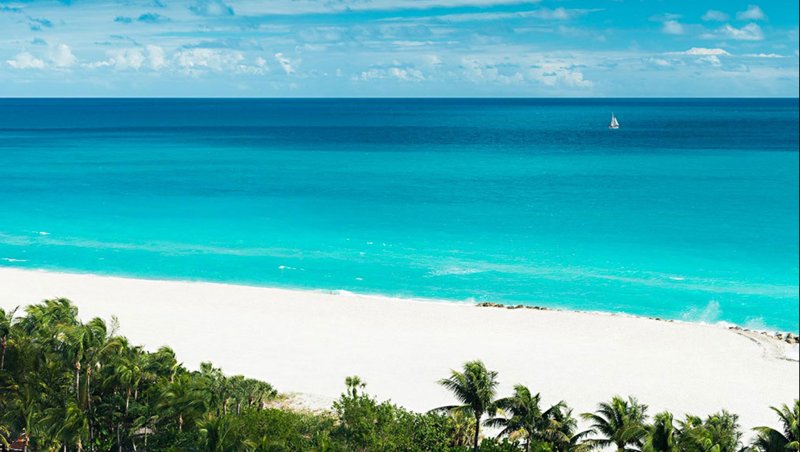
Ha sido una experiencia muy bonita. Miami es un destino que abre las puertas a todo aquel que llega sin distinciones. La gente es maravillosa y el clima hace de esta ciudad un lugar único en el mundo.
Con el paso de los años he tenido la oportunidad de cruzar caminos con gente maravillosa y Miami siempre ha sido testigo de ello.
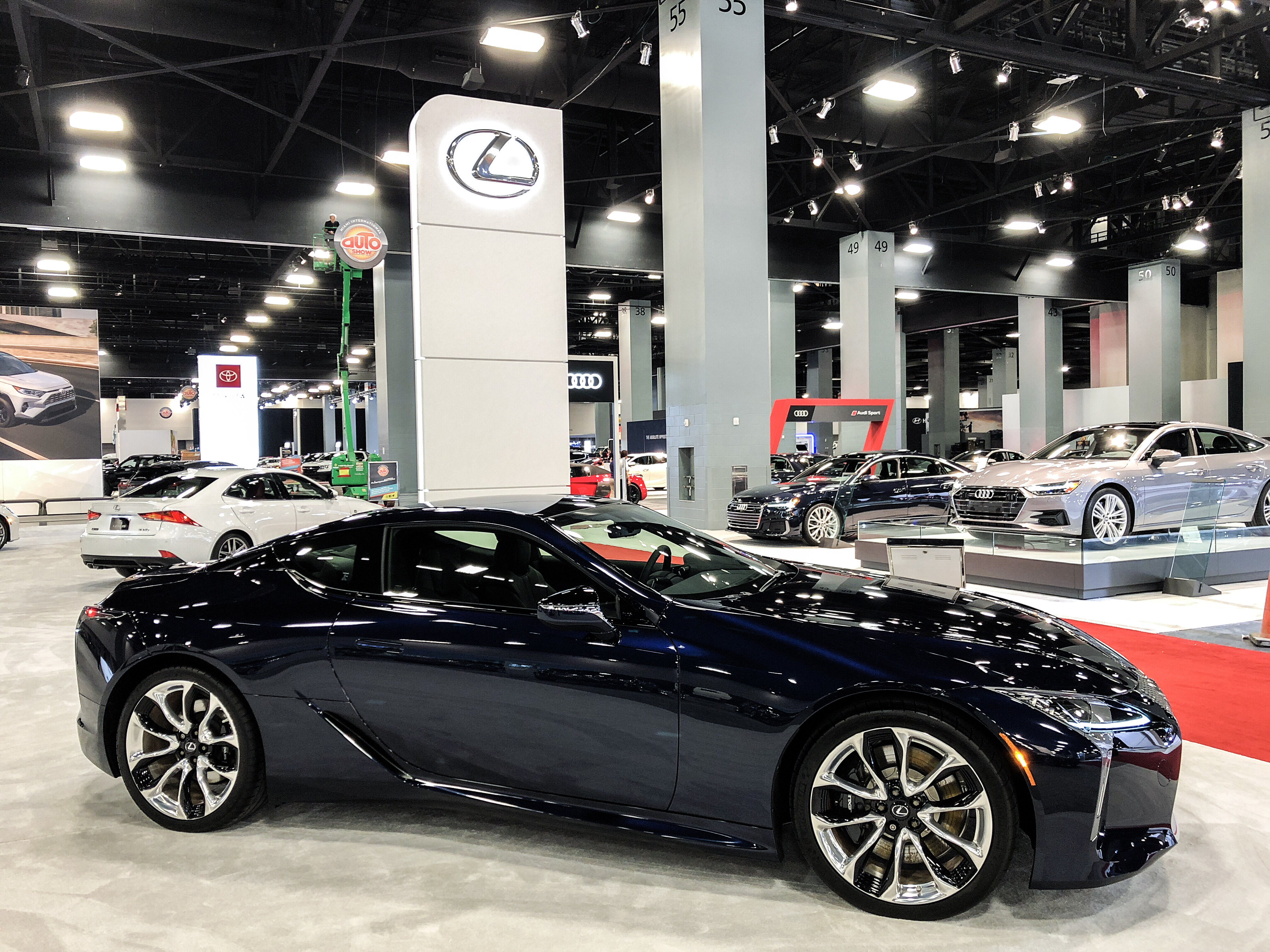
El pasado año debido al huracán Irma fue imposible celebrar su 47 aniversario, pero este año ha sido posible celebrar el 48 y en su nuevo convention center que hoy acoge con mucho entusiasmo este evento.
John Kiskinis al mando de este buque insignia ha facilitado que nuestra agenda periodÃstica cumpliera con todas nuestras expectativas.
El jueves a nuestra llegada al aeropuerto internacional de Miami, nuestro driver, José, nos recibÃa con una grata sonrisa. El viaje al hotel se hizo corto y tuvimos la oportunidad de intercambiar algunas vivencias pasadas en esta maravillosa ciudad.
Una vez en el hotel todo estaba coordinado; tenÃamos un paquete personalizado con nuestro nombre y toda la información de la agenda que nos tenÃan asignada para los próximos dÃas.
Hablar de hospitalidad y gratitud es algo que me emociona a nivel personal. Y me quedo con dos momentos de mi viaje, el primero fue durante el almuerzo de VW, cuando los miembros de SAMA – (Southern Automotive Media Association) agradecieron a todos y cada uno de los que contribuyen a canalizar el mensaje de la industria del Automóvil via Facebook, Instagram, Twitter, YouTube, Blogs, todas y cada una de esas personas que al igual que yo comparten una pasión por este mundo del motor. Dando importancia a su contribución periodÃstica sin discriminar a nadie, pequeño o grande.
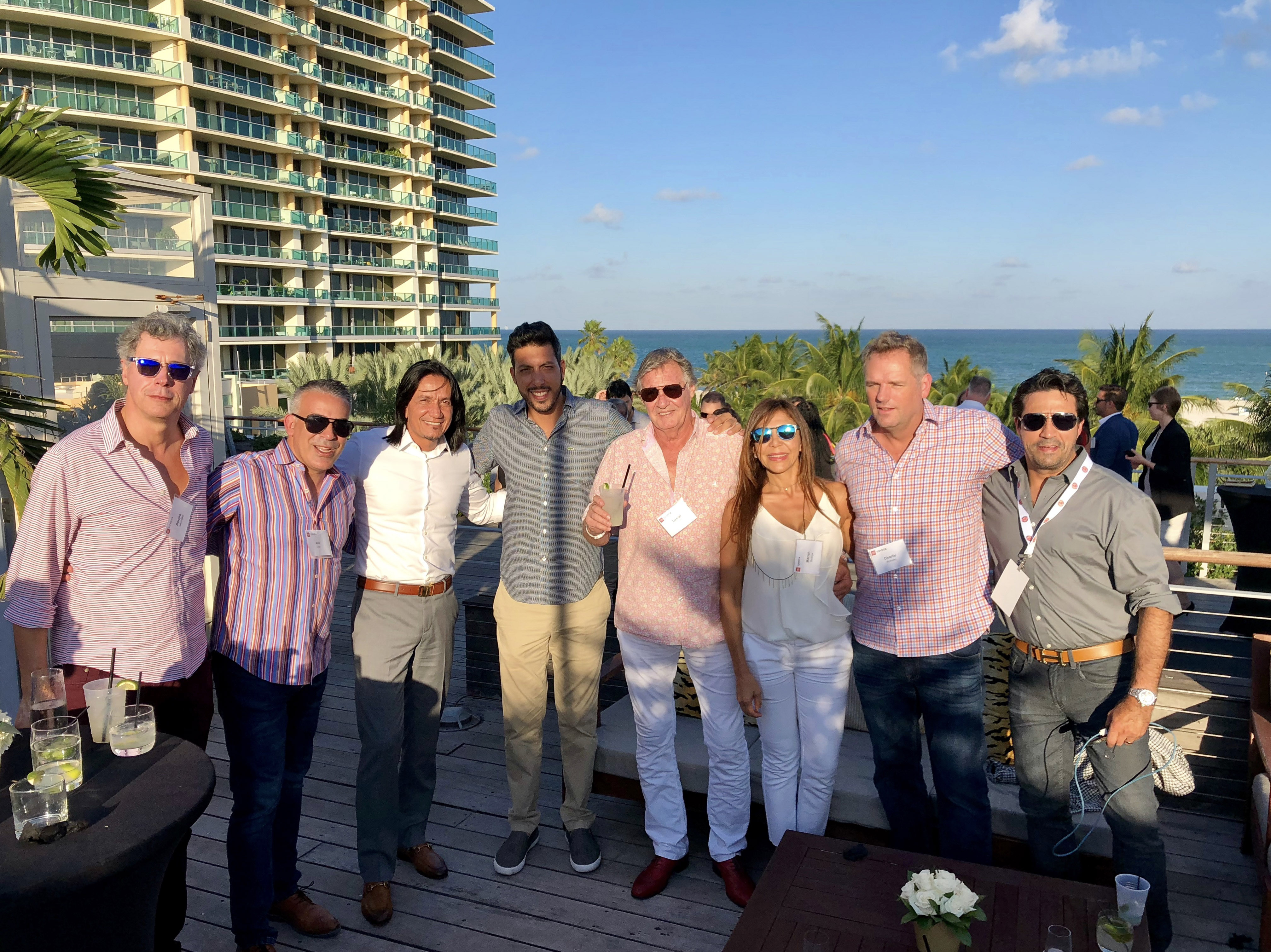
Y probablemente el momento más emocionante para mi llegarÃa horas más tarde durante la recepción de Toyota en el Betsy Hotel, Marlén, una magnÃfica persona, miembro de SAMA y fundadora de Fashion-Driving-Style conversaba conmigo su vinculación con la industria del auto y yo le pregunté que debÃa hacer para ser miembro de SAMA y ella con una naturalidad única, llamó la atención de Marcelo Serrato y acabé compartiendo con todos ellos el por qué de mi interés para querer ser un nuevo miembro y mi aportación a su organización como futuro miembro.
Me impactó el compartir mi sentir sobre esta difÃcil industria y me fascino el respeto, la humildad y la hospitalidad de cada uno de ellos abajo en esta foto hacia mi opinión. Son momentos difÃciles de olvidar, que uno se lleva consigo.
El auto show? Dicen que con contarlo no basta, hay que vivirlo y es asà como yo, apreciado lector le invito a que durante estos dÃas vaya y visite el nuevo convention center y el primer Salón Internacional del Automóvil de las Americas. Aún no tienen boletos?, eso no es un problema, visiten este enlace www.miamiautoshow.net y hagan su compra ya.
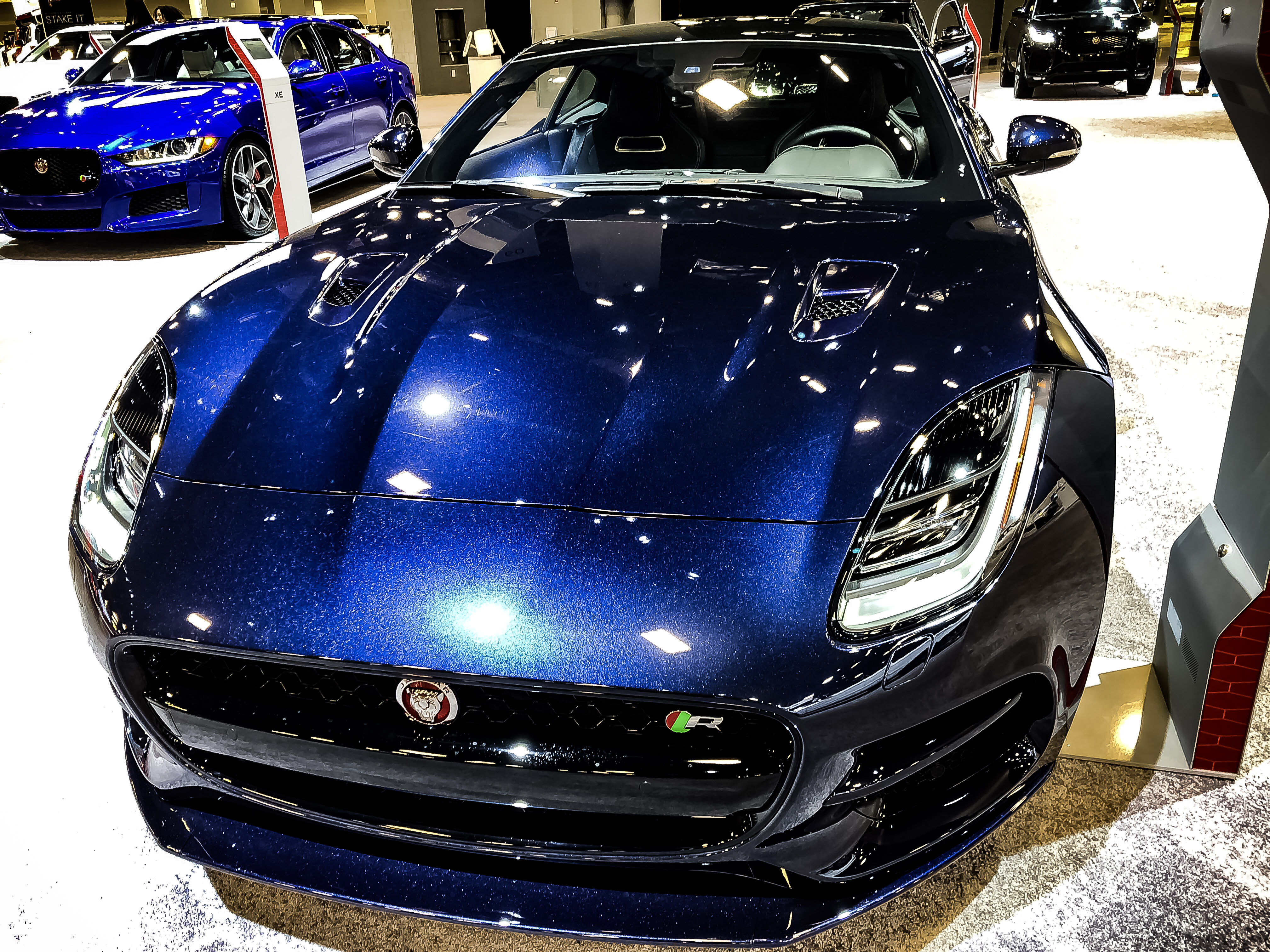
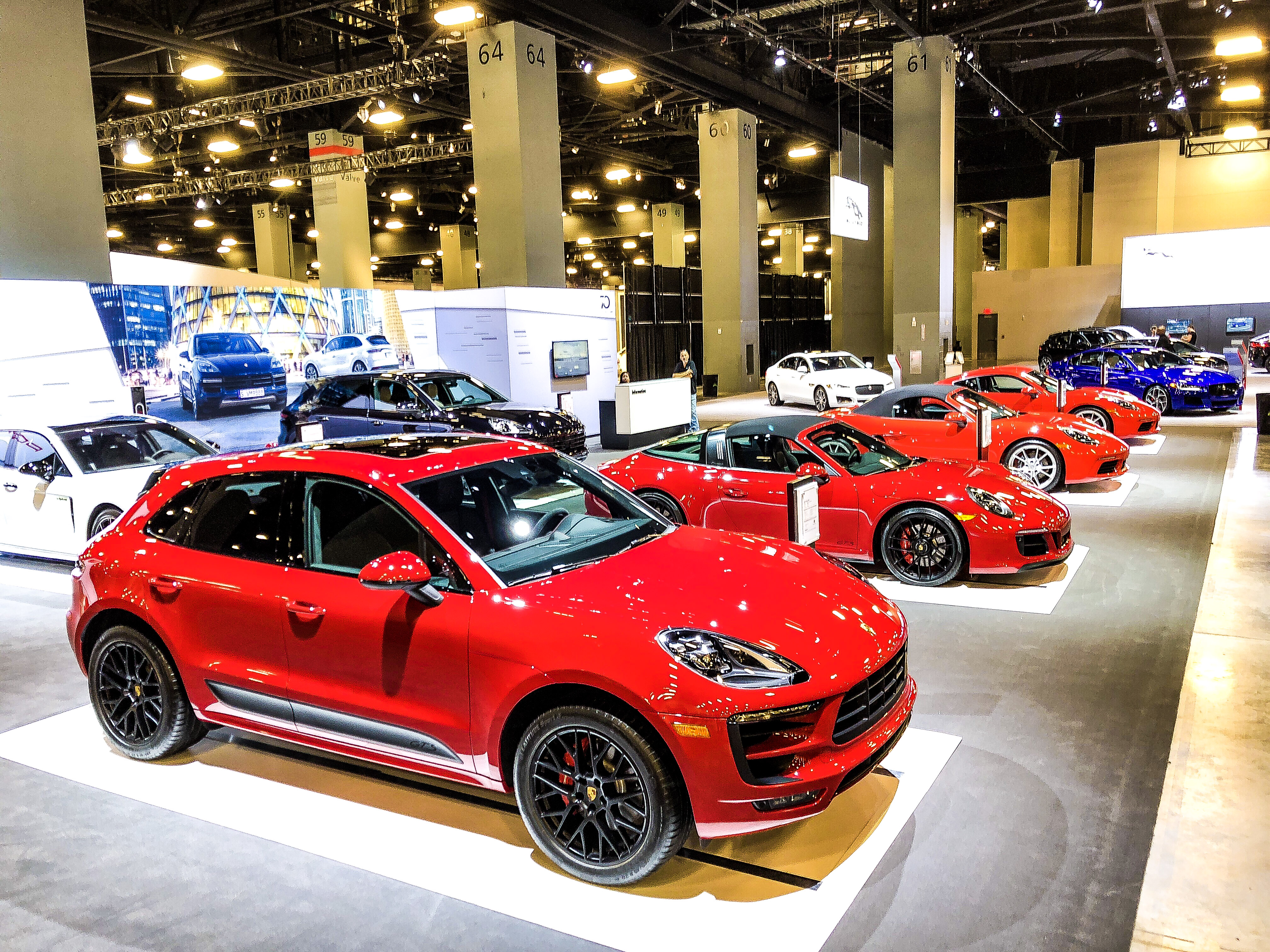
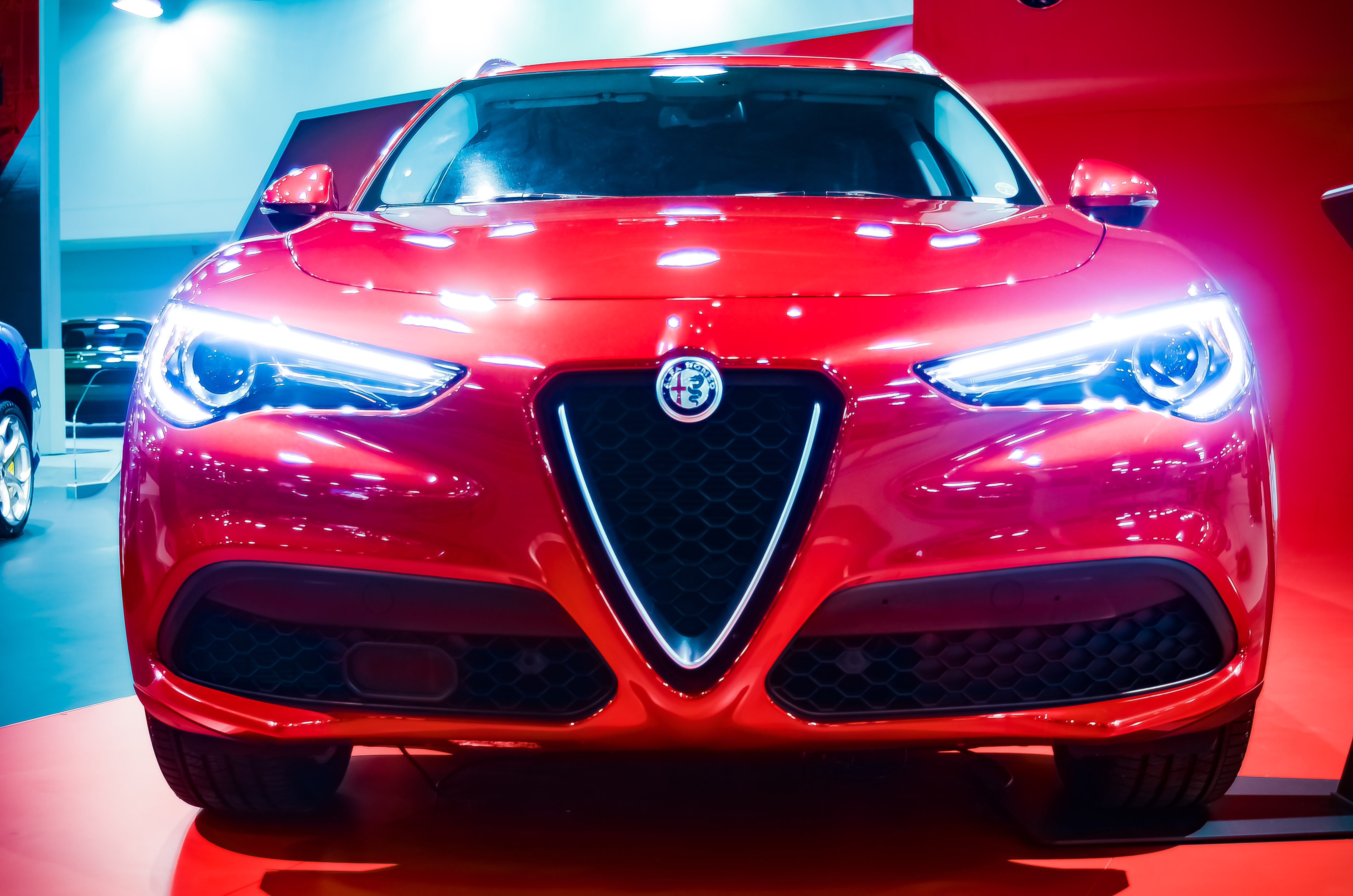
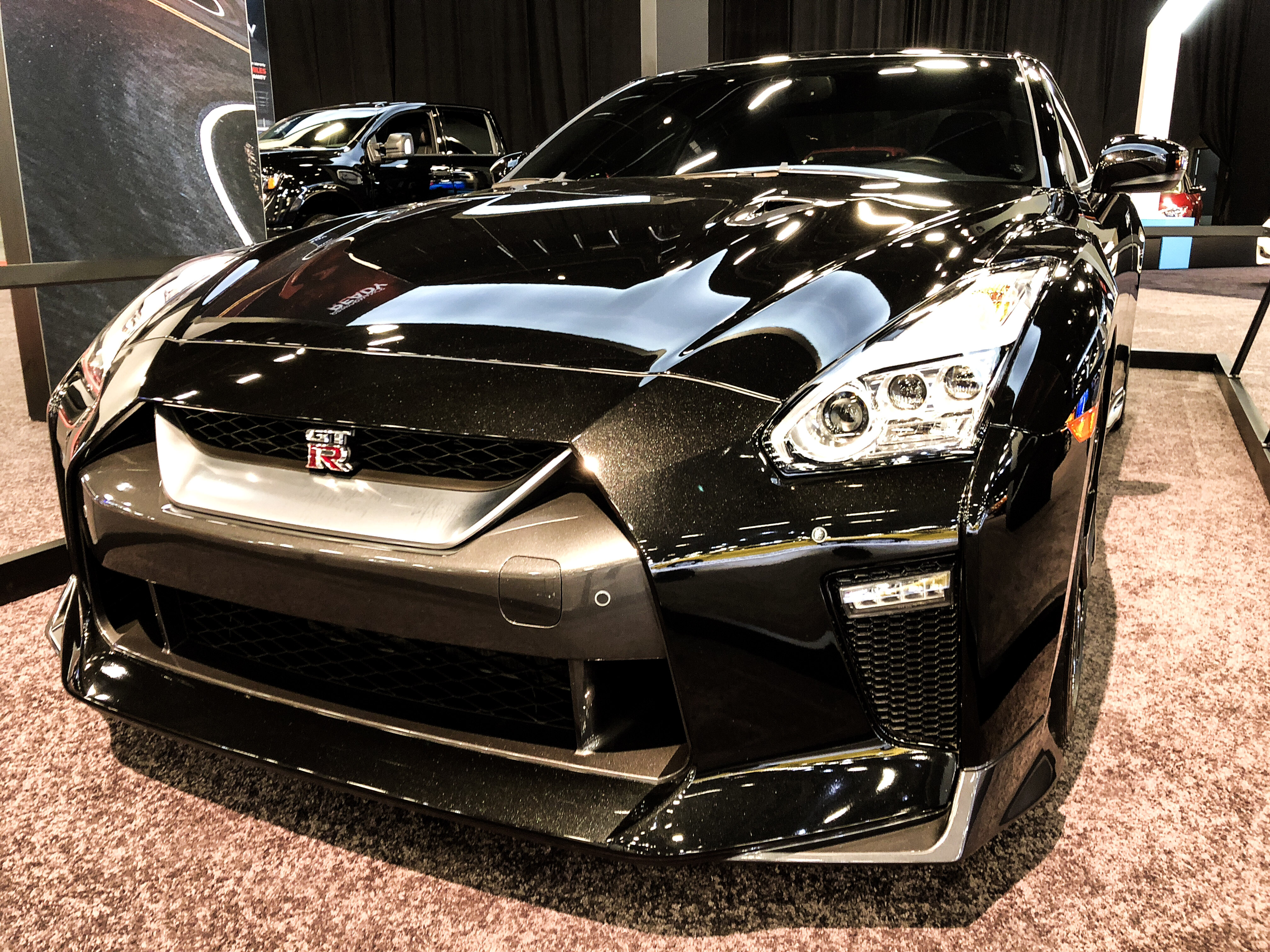
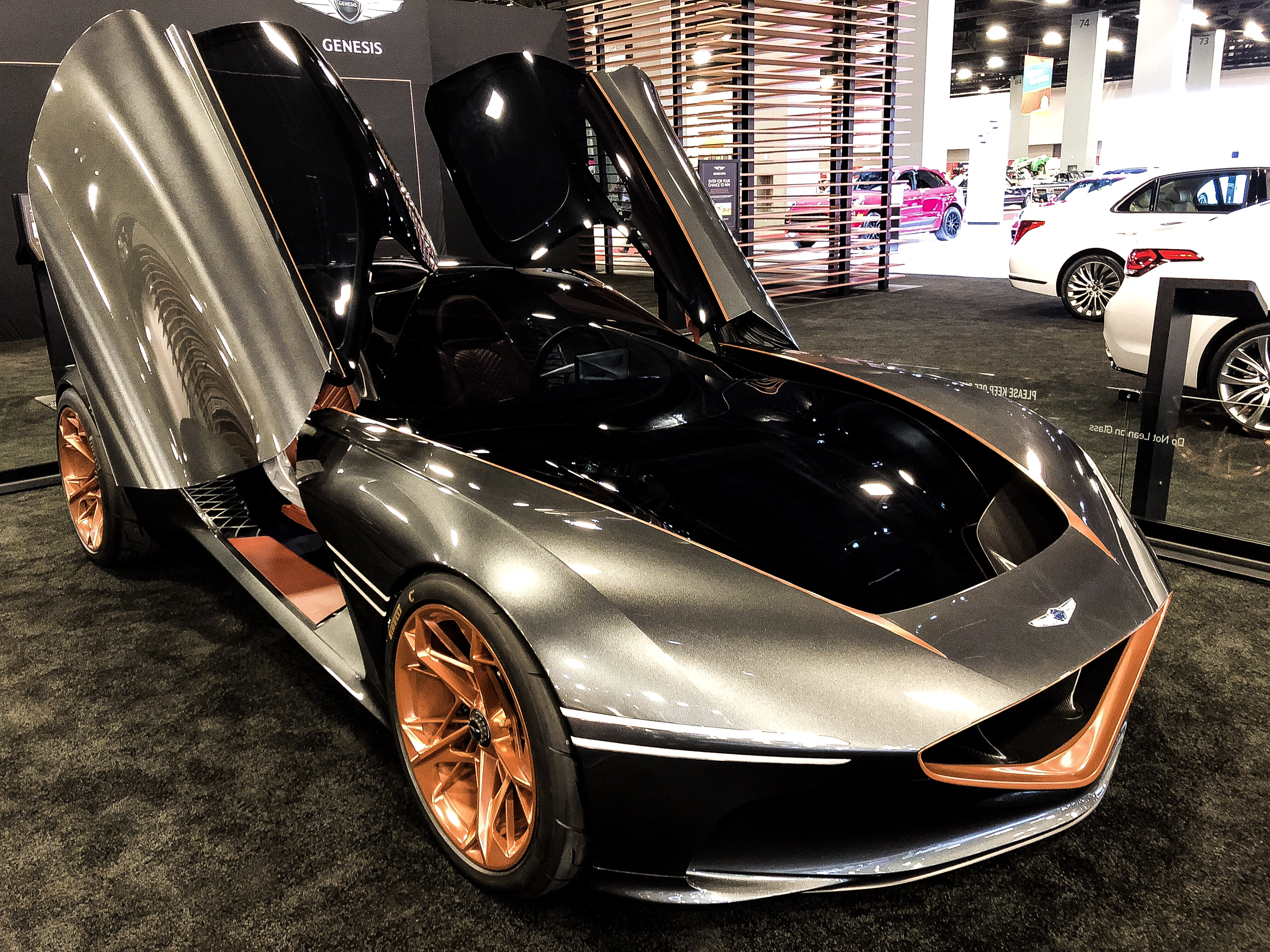
Novedades para este año: 27 marcas con los últimos modelos de cada una de ellas donde podemos destacar algunas que le impresionarán: Alfa Romeo, Genesis: con su 2019 Genesis Essentia nominado como la “ESTRELLA” de este show, Porsche: con un display que asombra-una autentica alfombra roja, Maserati, Jeep, Lexus, VW, Mazda, Ford, Kia, Nissan, Acura y Hyundai – No se puede perder la oportunidad de manejar en la zona “Ride and Drive” los modelos que Chevrolet, Toyota, Nissan, Mazda y Cadillac tendrán. Cómo ven un espectáculo único al acceso de todas las posibilidades. No permitan que se lo cuenten, vÃvanlo.
Gracias Miami por su hospitalidad y cariño.
Nos vemos en 2019!!!
AG Carsfera
****Sigan nuestra galeria de fotos en Instagram @officialcarsfera



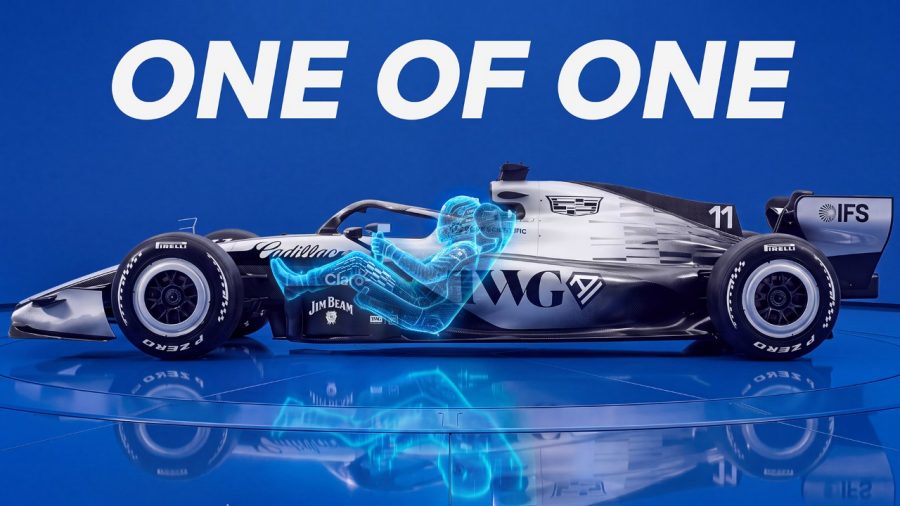
Every Cadillac Formula 1 driver gets a seat built specifically for their body. Here is how the team creates, tests and refines one before it reaches the track.
A Formula 1 car has countless components designed to maximize performance, but few are more personal than the driver’s seat. The Cadillac F1 driver seat must hold the driver securely through enormous G-forces while remaining comfortable throughout an entire race.
The fit has to be extremely precise. A seat that is too loose can allow excessive movement and increase fatigue, while one that is too tight can make a full race physically painful.
Cadillac recently showed the complete process behind creating one of its bespoke F1 seats, from the initial body mold to the final trackside adjustments.
The Process Starts With the Driver’s Body
The first step takes place at General Motors’ Charlotte Technical Center. The driver sits inside the Formula 1 chassis on top of a plastic bag while a technician fills it with a liquid mixture.
The material expands and hardens around the driver’s body, creating a detailed physical mold. That foam shape can then be measured precisely and converted into a digital representation of the finished seat.
Cadillac creates an individual mold around the driver to capture the precise shape required for the F1 seat.
Once the digital model has been finalized, the physical seat can be manufactured.
This approach allows the team to reproduce the driver’s seating position with a high level of accuracy before making any final adjustments at the track.
Cadillac Uses Flax-Based Material Instead of Carbon Fiber
The actual seat is produced at Cadillac Formula 1 Team’s facility near Silverstone in the United Kingdom.
Unlike many components of an F1 car, the seat is not made from carbon fiber. Cadillac instead uses a natural flax-based fiber weave.
The material provides an important advantage for the driver. According to the team, it does a better job of isolating the cockpit occupant from the intense vibrations produced by the race car.
Cadillac manufactures its F1 seats from a flax-based fiber weave designed to improve vibration isolation.
That means material selection is about more than simply minimizing weight. The seat also plays an important role in driver comfort and fatigue management.
In Formula 1, even small improvements can make a difference over a long race distance.
Valtteri Bottas Puts the Seat to the Test
With the seat completed, Cadillac takes it to the circuit for a real-world fitting session.
At the British Grand Prix, Valtteri Bottas climbed into his new bespoke seat inside the team’s garage. Rather than simply accepting the first version, Bottas provided feedback on how it felt and where changes were needed.
The seat was then returned to the factory so the team could make precise modifications.
Valtteri Bottas test-fits his bespoke Cadillac F1 seat during the British Grand Prix weekend.
Engineers can add or remove material in specific areas until the fit is exactly right. That iterative process is essential because the driver needs both stability and comfort while remaining securely positioned inside the cockpit.
Once the adjustments were complete, Bottas had a finished seat ready for competition.
A Custom Seat Is a Performance Component
The Cadillac F1 driver seat may look relatively simple compared with an engine, suspension system or aerodynamic package, but its importance is difficult to overstate.
The seat determines how securely the driver is held during braking, cornering and acceleration. It also helps manage the physical demands created by the car’s vibrations and G-forces.
Moreover, every driver has different requirements. That is why Cadillac does not simply produce one standard seat and install it across its cars.
From Digital Scan to the Race Track
The entire process combines driver-specific fitting, digital modeling, specialized materials and repeated testing. It begins with a mold of the driver’s body and ends with a component that is refined through direct feedback from the cockpit.
For Bottas, the final step came almost immediately. After the fitting process was completed, he used the new seat during Free Practice 1 at the British Grand Prix.
That makes the Cadillac F1 driver seat a perfect example of how Formula 1 performance is built from details that spectators rarely see. The car may be engineered at the limits of technology, but ultimately, one of its most important components has to fit one person perfectly.

George Russell believes winning the 2026 Formula 1 championship is now extremely unlikely after another difficult weekend left him 81 points behind Mercedes teammate Kimi Antonelli.
George Russell is beginning to accept that his F1 title hopes for 2026 may already be slipping away. After finishing fifth at Madring, the Mercedes driver now trails teammate Andrea Kimi Antonelli by 81 points in the championship.
The gap has grown dramatically over the last five races. Antonelli has finished ahead of Russell in each of those events, while his remarkable consistency has turned a 25-point advantage into a commanding championship lead.
Russell still believes Mercedes has a competitive car. However, after another weekend in which the final result failed to reflect his underlying pace, he admitted that his title chances are now extremely slim.
Russell Lost More Ground to Antonelli in Madrid
Russell qualified sixth at Madring and struggled to extract the maximum from his tires. He said he pushed hard through Turn 11, but the rubber simply could not cope with the demands placed on it.
His race became even more complicated after an early contact with Oscar Piastri. Although Russell appeared to escape significant damage, the Virtual Safety Car created a strategic problem that had a major impact on his afternoon.
Russell had started on the hard compound with the intention of going deep into the race. The VSC arrived on Lap 14, much earlier than Mercedes had expected.

George Russell battles for position at Madring as his Mercedes struggles to match the race pace of its main rivals.
The Virtual Safety Car Hurt Russell’s Strategy
Mercedes had expected drivers starting on mediums and softs to make their first stops around Lap 15. Russell, however, was hoping to extend his opening stint until around Lap 40.
The VSC changed everything.
Russell was one of only two drivers among the 12 starters on hard tires who stopped during the neutralization. He switched to the medium compound, only to later return to the hard tire he preferred.
“It was a very frustrating moment with the safety car,” Russell explained.
The strategy meant Russell never enjoyed the same flexibility as some of his rivals. Charles Leclerc, for example, stayed out during the VSC and delayed his stop until Lap 48.

Russell makes an early pit stop during the Virtual Safety Car, compromising the strategy Mercedes had planned for the race.
Russell still managed to apply pressure toward the end of the race. Leclerc was on fresh soft tires after his late stop, but the Ferrari driver narrowly held onto fourth place.
Russell therefore finished fifth, although he insisted the result did not accurately represent Mercedes’ actual performance.
“The Performance Was Much Better Than the Result”
Russell believes Madring produced a result that was heavily influenced by track position.
“The performance was much better than the result,” he said.
He compared the situation to Monaco, where qualifying position can often determine the outcome because overtaking opportunities are so limited.
That characteristic of Madring made Russell’s early strategic disadvantage even more difficult to overcome. Once drivers settled into position, a faster car could still struggle to complete a pass.
George Russell finishes fifth at Madring after a difficult strategy leaves him unable to recover further positions.
Antonelli Has Built a Huge Championship Advantage
While Russell endured another frustrating weekend, Antonelli continued his extraordinary run of form.
The young Italian secured his eighth victory of the season and his 12th podium in 14 races. That consistency has allowed him to stretch his advantage over Russell to 81 points.
With nine races theoretically remaining, Russell still has time to score heavily. However, the scale of the deficit means he would need a major turnaround in fortunes to put genuine pressure back on his teammate.
Russell Is No Longer Thinking About the Title
Russell was remarkably candid when asked about his championship prospects.
“I’m not going to say it’s over, but it’s very unlikely I’m still in this fight,” he admitted.
He added that he is no longer thinking about being involved in the title battle because he does not believe he currently is.
That mindset could actually change his approach for the remainder of the season. Instead of focusing on championship mathematics, Russell can concentrate on maximizing every individual weekend and trying to convert Mercedes’ pace into victories.
George Russell’s Title Fight Is Hanging by a Thread
The George Russell F1 title challenge is not mathematically finished, but the situation has become increasingly difficult. Antonelli’s consistency has given the Mercedes youngster a huge cushion, while Russell has repeatedly lost valuable points through strategy, qualifying and race circumstances.
Moreover, Russell believes the raw pace of his Mercedes remains stronger than his recent results suggest. The problem is turning that performance into finishes that can consistently close the gap.
For now, his approach is simple: take the season one race at a time and try to win as many Grands Prix as possible. The championship may be slipping away, but Russell still has nine opportunities to change the story.
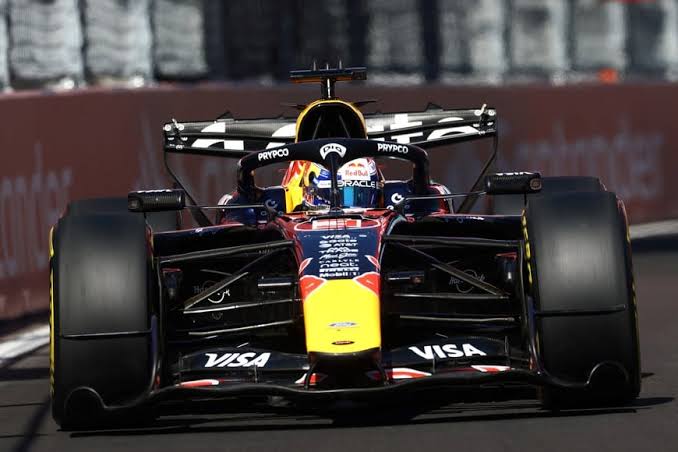
Max Verstappen finished second in Madrid despite lacking the pace of McLaren and Mercedes. The Red Bull driver explained how track characteristics and a late VSC helped him hold off Lando Norris.
Max Verstappen finished second at the Spanish Grand Prix, but the Red Bull driver made it clear that the result was better than the team’s actual pace. According to Verstappen, both Lando Norris and Andrea Kimi Antonelli were faster throughout the race.
Norris became particularly threatening during the final laps. However, despite closing rapidly on Verstappen, the McLaren driver was unable to find a way past the Red Bull around Madring.
Verstappen believes the circuit itself played a major role. He also admitted that a Virtual Safety Car helped him secure a result that was beyond Red Bull’s true performance level.
Verstappen Had to Give the Position Back
The race was already complicated from the opening corners. Verstappen found himself alongside Lewis Hamilton after the Ferrari ran over the curb and bounced back toward the racing line.
Concerned about contact, Verstappen chose to cut Turn 2. He then returned to the track ahead of Hamilton and also gained a position over Antonelli.
Red Bull immediately instructed him to give the positions back. Verstappen knew ignoring the order could have resulted in a penalty.
“If I hadn’t done it, I would have received a penalty,” Verstappen explained. “There was no option.”

Max Verstappen fights for position with Lewis Hamilton during the opening corners of the Spanish Grand Prix.
The decision frustrated Verstappen during the race, particularly because returning the position effectively cost him two places.
However, once the race continued, the Dutchman focused on maximizing what the Red Bull could deliver.
Norris Had More Pace Than Verstappen
Verstappen was clear about the performance gap between Red Bull and its main rivals. He believed Norris was especially quick, while Antonelli also had an advantage in raw pace.
“I think it was pretty clear that especially Lando, but also Kimi, were a little bit faster than me,” Verstappen said.
Norris had controlled much of the early race from pole position, while Antonelli remained firmly in contention. The situation changed when Lance Stroll’s retirement triggered a Virtual Safety Car.
Red Bull was able to benefit from the timing of the neutralization. Norris, meanwhile, lost around 20 seconds compared with several of his rivals and dropped behind them.

Lando Norris closes in on Max Verstappen during the Spanish Grand Prix at Madring.
That incident became a crucial turning point. Verstappen acknowledged that Norris was unlucky with the VSC, while Red Bull benefited from it.
As a result, second place became far more realistic than it had looked earlier in the afternoon.
“Lando Was Flying” in the Final Laps
Later in the race, Norris eventually reached Verstappen and began applying serious pressure. The McLaren was visibly faster, yet overtaking remained extremely difficult.
Verstappen did not consider it a conventional battle because he believed Norris simply lacked the opportunity to complete the pass.
“To be honest, it wasn’t really a battle. He had no chance to overtake me,” Verstappen said.
That was not a criticism of Norris’ speed. Quite the opposite.
“When Lando was behind me, he was flying. He was much faster,” Verstappen admitted.

Max Verstappen keeps Lando Norris behind him during the closing stages despite the McLaren having greater pace.
Madring Helped Verstappen Hold On
The layout of Madring ultimately worked in Verstappen’s favor. The circuit offered limited opportunities to turn a pace advantage into a clean overtaking move.
Therefore, Norris could close the gap without finding the right combination of braking zone, positioning and traction needed to pass.
“Simply because of the nature of the circuit, he couldn’t pass,” Verstappen explained.
That made the final laps particularly revealing. The McLaren had the speed advantage, but the Red Bull had track position.
Red Bull Still Has Work to Do
Despite finishing second, Verstappen did not see the result as evidence that Red Bull had closed the gap to McLaren and Mercedes.
“You only have to look at the lap times. We’re still quite far behind,” he admitted.
He also suggested that the deficit was caused by several factors rather than one specific weakness. Energy deployment may have played a role, but Verstappen also pointed toward the car itself as an area that still needs improvement.
Therefore, the result in Madrid was more about execution and circumstances than outright performance.
Verstappen Says Second Was More Than the Maximum
The Max Verstappen Norris battle ultimately became a story of pace versus position. Norris had the faster car over the final stages, but Madring made it extremely difficult to convert that advantage into an overtaking move.
Meanwhile, the VSC gave Verstappen another important advantage by costing Norris valuable track position.
That is why Verstappen viewed second place as an unexpectedly strong result rather than a missed opportunity for victory. Red Bull did not have the speed to beat McLaren and Mercedes on pure performance, but Verstappen extracted everything available from the package.
“Second place for us was more than the maximum,” Verstappen said.
-

 TEST DRIVES2 months ago
2026 Maserati MCPura Cielo
-

 NOW TRENDING2 months ago
2027 Range Rover GT Debuts as the Brand’s Lowest EV
-

 INTELLIGENT MOBILITY2 months ago
2027 Toyota Crown Gets New Hybrid System and Fresh Design
-
 NOW TRENDING2 months ago
Mercedes-AMG Admits the C63 Hybrid Was a Mistake for Buyers
-

 NOW TRENDING2 months ago
Next-Gen Cadillac CT5-V Blackwing Could Keep the V8 Alive
-
 NOW TRENDING2 months ago
Honda Civic Si Production Ends After 2026 Model Year Pause
-
 NOW TRENDING2 months ago
Rolls-Royce’s $32 Million Droptail Took 9 Months of Handcrafted Woodwork
-
 NOW TRENDING2 months ago
2027 Toyota Sequoia Adds Trailhunter Package and New Tech
You must be logged in to post a comment Login