
NOW TRENDING
2027 Kia EV3 Headlines Kia America’s Demo Days Los Angeles


The 2027 Kia EV3 will make one of its first public appearances in the United States during Demo Days Los Angeles, where Kia America will showcase its newest hybrid and electric vehicles through interactive displays and ride-and-drive experiences.
The 2027 Kia EV3 will be one of the biggest attractions at Demo Days Los Angeles, as Kia America continues expanding its electrified vehicle portfolio across North America. Held on June 27-28 at the Rose Bowl Stadium in Pasadena, the event gives visitors the opportunity to experience the brand’s newest hybrid and battery-electric models while learning more about electrified mobility in a hands-on environment.
Designed to educate consumers about hybrid and electric vehicle ownership, Demo Days combines static displays with real-world driving experiences. For Kia, the event represents another opportunity to demonstrate how its growing lineup of electrified vehicles can meet the needs of a wide variety of drivers, from families to daily commuters.

The 2027 Kia EV3 GT-Line will make one of its first public appearances in the United States during Demo Days Los Angeles.
2027 Kia EV3 leads Kia America’s electrified lineup
The 2027 Kia EV3 serves as the centerpiece of Kia America’s presence at Demo Days Los Angeles. Making only its second public appearance in the United States, the compact electric SUV gives visitors an early opportunity to explore one of Kia’s most anticipated upcoming electric vehicles.
Alongside the 2027 Kia EV3, Kia will display an extensive selection of electrified models that highlights the company’s commitment to offering customers multiple powertrain options. The lineup includes the 2027 Telluride Hybrid X-Line SXP, 2026 Sportage X-Line HEV, 2026 Carnival SXP HEV, 2026 EV9 GT-Line, and 2026 EV6 GT-Line.
Together, these vehicles demonstrate Kia’s strategy of expanding electrification across SUVs, crossovers and family-oriented models while providing solutions for different lifestyles and driving needs.

Kia America’s electrified lineup includes hybrid SUVs, family vehicles and all-electric crossovers at Demo Days Los Angeles.
2027 Kia EV3 supports Kia’s expanding EV strategy
The appearance of the 2027 Kia EV3 reflects Kia America’s continued investment in battery-electric vehicles while maintaining a broad portfolio of hybrid models. Rather than focusing on a single technology, Kia continues to expand its electrification strategy by offering customers multiple choices based on their individual driving habits.
Visitors attending Demo Days will also have access to product specialists who can answer questions about charging, ownership costs, available technologies and the everyday practicality of hybrid and electric vehicles. The goal is to help consumers better understand how electrified transportation fits into modern lifestyles before making a purchasing decision.
2027 Kia EV3 joins Kia’s ride-and-drive experience
In addition to its static display, the 2027 Kia EV3 highlights Kia America’s broader electrification strategy during Demo Days Los Angeles. While the EV3 serves as a showcase model, visitors will also have the opportunity to experience several hybrid and electric vehicles through the event’s consumer ride-and-drive program.
Six Kia models will participate in the driving experience. Hybrid vehicles include the 2027 Telluride Hybrid X-Line SXP, 2027 Telluride SXP HEV, 2026 Carnival SXP HEV, and 2026 Sportage SXP HEV. Representing Kia’s battery-electric lineup are the 2026 EV9 GT-Line and the 2026 EV6 GT-Line AWD.
The ride-and-drive experience allows attendees to evaluate vehicle comfort, acceleration, onboard technology and everyday usability while gaining a better understanding of hybrid and electric vehicle ownership. It also provides an opportunity to learn about charging solutions, driving range and the advantages of electrified powertrains in a practical setting.

Visitors can experience several of Kia America’s latest hybrid and electric vehicles through the Demo Days ride-and-drive program.
2027 Kia EV3 demonstrates Kia’s commitment to electrification
The 2027 Kia EV3 reinforces Kia America’s long-term commitment to expanding its electrified portfolio. By offering a growing selection of hybrid and battery-electric vehicles, the company continues to make electrified mobility more accessible to a wider range of customers.
The models displayed during Demo Days illustrate how Kia is developing vehicles for different lifestyles, whether buyers are looking for a compact electric SUV, a family-oriented hybrid or a larger all-electric SUV. This diverse portfolio reflects the brand’s strategy of combining innovation, efficiency and everyday practicality.
Interactive events such as Demo Days also allow consumers to explore new vehicle technologies outside of a traditional dealership environment, helping them make more informed purchasing decisions through direct experience.

The 2027 Kia EV3 showcases Kia America’s next generation of compact electric SUV technology.
2027 Kia EV3 brings Kia’s latest electrified technology to Los Angeles
With the 2027 Kia EV3 taking a leading role, Kia America’s presence at Demo Days Los Angeles highlights the rapid expansion of its electrified vehicle lineup. The event combines education, technology and real-world driving experiences to help consumers better understand the benefits of hybrid and electric vehicles.
As Kia continues growing its electrified portfolio across North America, the 2027 Kia EV3 stands out as one of the brand’s most anticipated upcoming launches. Its early appearance at Demo Days Los Angeles offers visitors a preview of Kia’s future direction while demonstrating the company’s commitment to delivering innovative, efficient and accessible mobility solutions.








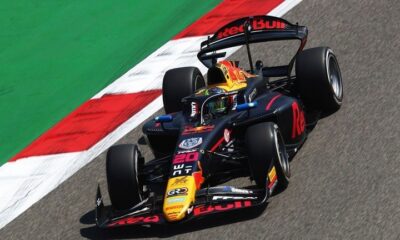

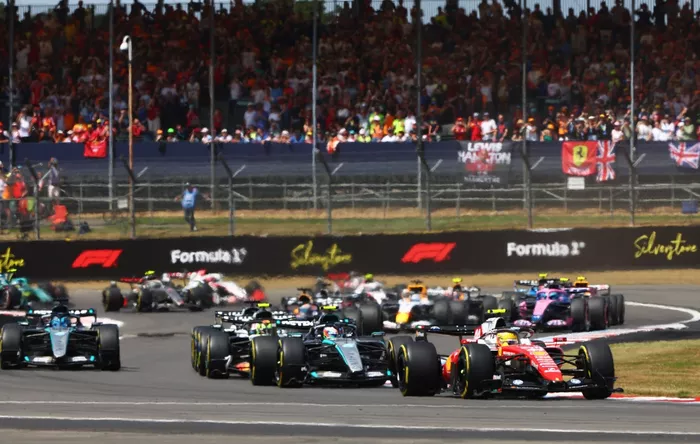
Formula 1’s $215 million budget cap has changed how teams develop their cars, making timing, validation, and development efficiency just as important as finding performance.
Formula 1’s budget cap has transformed the way teams approach car development. Teams are still free to introduce as many upgrades as they want, but every new floor, wing, or bodywork component must come from the same limited pool of money.
That makes one question increasingly important: when is the right time to spend the development budget?
The answer can determine whether a team gains performance at the right moment or wastes valuable resources on upgrades that fail to deliver on track.
Every upgrade now has a financial cost
Ferrari attracted attention earlier in the season with its relentless flow of new parts. Rival teams questioned how the Scuderia could continue bringing upgrades at such a rapid pace.
Toto Wolff described Ferrari’s development program as seemingly “unlimited,” while Fernando Alonso joked that some teams might have a money-printing machine at the factory. Carlos Sainz also admitted that Williams was surprised by how frequently the leading teams were introducing new components.
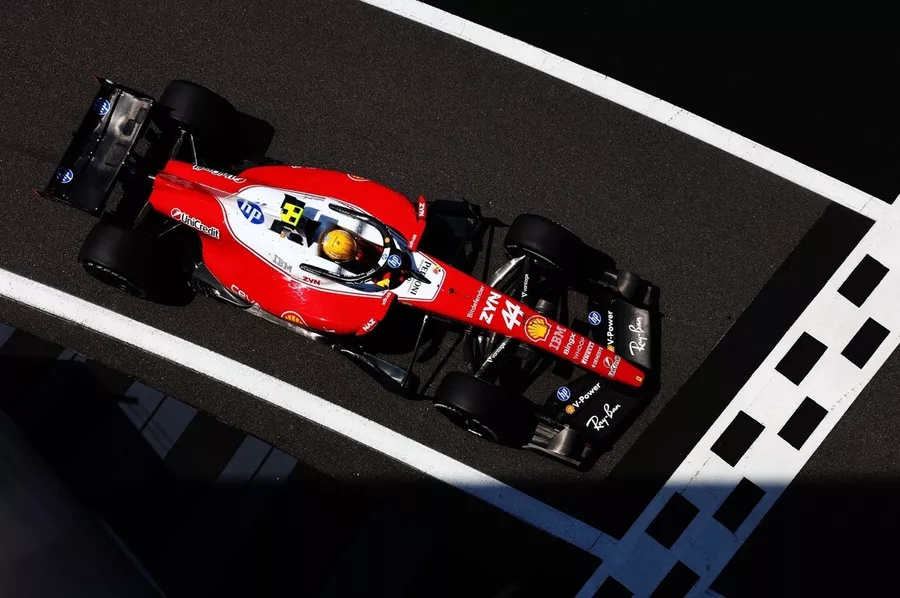
The reality, however, is that every upgrade consumes part of the same $215 million budget.
Money spent on a new floor today cannot be used for another development later in the season. That makes the timing of upgrades almost as important as the size of the performance gain they are expected to deliver.
Ferrari team principal Frédéric Vasseur warned about this before the season began. He suggested that logistics alone could consume a significant portion of the development budget when teams send new parts to distant races.
Ferrari and Aston Martin chose different strategies
Ferrari and Aston Martin have offered two very different approaches to managing development under the budget cap.
Ferrari has continued producing updates throughout the season. Aston Martin, meanwhile, deliberately waited for a much larger package before introducing major changes.
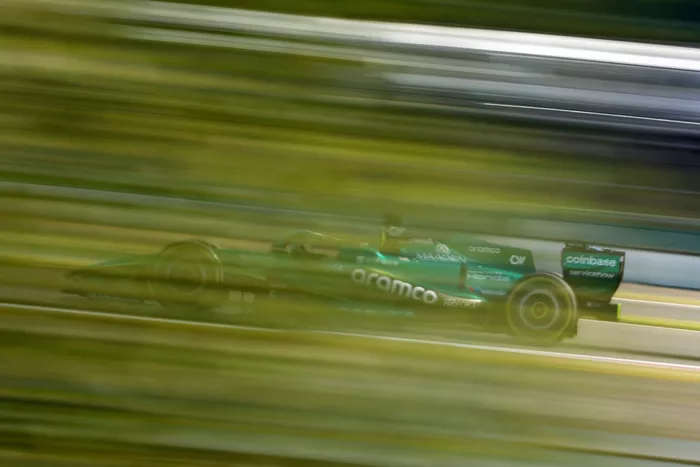
Aston Martin chose to delay its major upgrade package, accepting short-term difficulties in search of a larger performance step.
Ferrari brought 11 updates to Miami, more than any other team. However, part of that investment produced little additional lap time because the car behaved differently on track than expected in simulation.
The team did not stop developing. Instead, Ferrari continued bringing new parts in an attempt to recover the lost performance.
Aston Martin took the opposite approach.
Adrian Newey described the decision to delay the team’s major package until Hungary as painful but deliberate. The idea was to accept weaker results for longer in exchange for a potentially larger gain from a carefully developed package.
That strategy carries its own risk.
If the major upgrade fails to deliver, months of work and a large portion of the budget have already been spent.
Correlation has become more valuable than ever
The two approaches ultimately depend on the same thing: confidence in development data.
A team that can accurately predict how a component will perform before manufacturing it can avoid wasting resources.
That is particularly important under a budget cap because a failed upgrade does more than cost time. It also consumes money that cannot simply be recovered later.
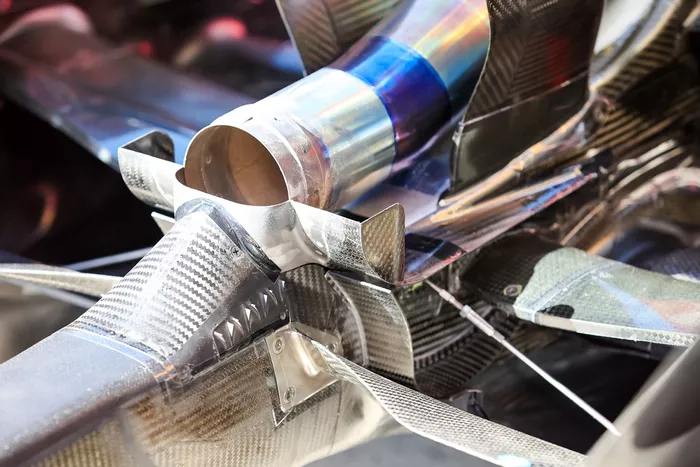
Accurate simulation and track correlation are becoming increasingly important as teams manage development under a fixed budget.
Newey has acknowledged that Aston Martin’s simulation tools are not yet as sophisticated or well correlated as the team would like.
That uncertainty makes development decisions much harder.
If simulation predicts a major gain and the part produces little performance on track, the team has lost both development time and budget.
The same principle applies to Ferrari. Its frequent upgrades make sense only if the team can identify improvements quickly enough to justify the cost of manufacturing and transporting them.
The calendar also affects development strategy
The race calendar has become another factor in the financial equation.
With races removed or replaced, teams do not automatically receive a smaller budget. That means money allocated for those weekends can remain available for development elsewhere in the season.
According to estimates from the paddock, each canceled race can effectively free roughly $1 million per team in potential spending that might otherwise have gone toward operations.
That creates another strategic variable.
Teams must decide whether to use the additional resources on upgrades immediately or preserve them for later stages of the championship.
The biggest risk is getting an upgrade wrong
Before the budget cap, teams could often respond to a failed upgrade by spending more money on another solution.
That option is far more limited today.
A new floor that fails to deliver cannot simply be followed by another expensive experiment without affecting the rest of the development program.
That is why F1 budget cap strategy increasingly revolves around avoiding mistakes rather than simply producing more parts.
Ferrari’s approach is based on maintaining a constant flow of improvements. Aston Martin has chosen to place greater emphasis on validating a larger package before bringing it to the circuit.
Neither strategy is automatically better.
Ferrari has the pressure of fighting for the championship and therefore needs performance as quickly as possible. Aston Martin, after a difficult start to the 2026 regulations, has had more reason to prioritize the future and concentrate its resources on rebuilding its development direction.
Under the budget cap, the real advantage may belong to the team that can predict performance most accurately before spending the money to build it.
The development race has therefore changed. Teams are no longer competing only to find more downforce or reduce lap time. They are competing to decide where, when, and how to spend a limited budget without making an expensive mistake.
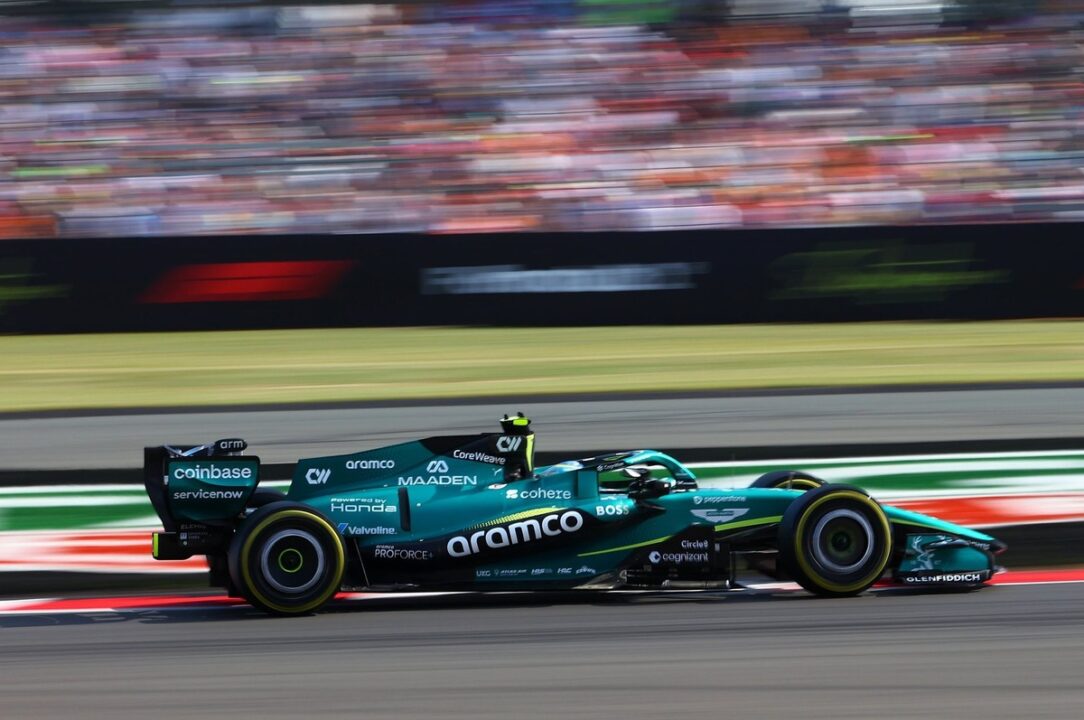
Aston Martin will introduce new aerodynamic upgrades at the Dutch Grand Prix alongside Honda’s latest power-unit update, building on the progress made in Hungary.
Aston Martin is continuing its push to recover from a difficult start to the 2026 Formula 1 season. The team will bring additional aerodynamic upgrades to the Dutch Grand Prix at Zandvoort, adding to the work already introduced in Hungary.
The latest changes will arrive alongside an important Honda power-unit update, giving the AMR26 several opportunities to improve its performance.
Aston Martin builds on its Hungary progress
The previous race in Hungary marked an important turning point for Aston Martin.
The team introduced a major B-specification AMR26 after deciding to focus its development effort on a larger package rather than bringing small upgrades to every race.
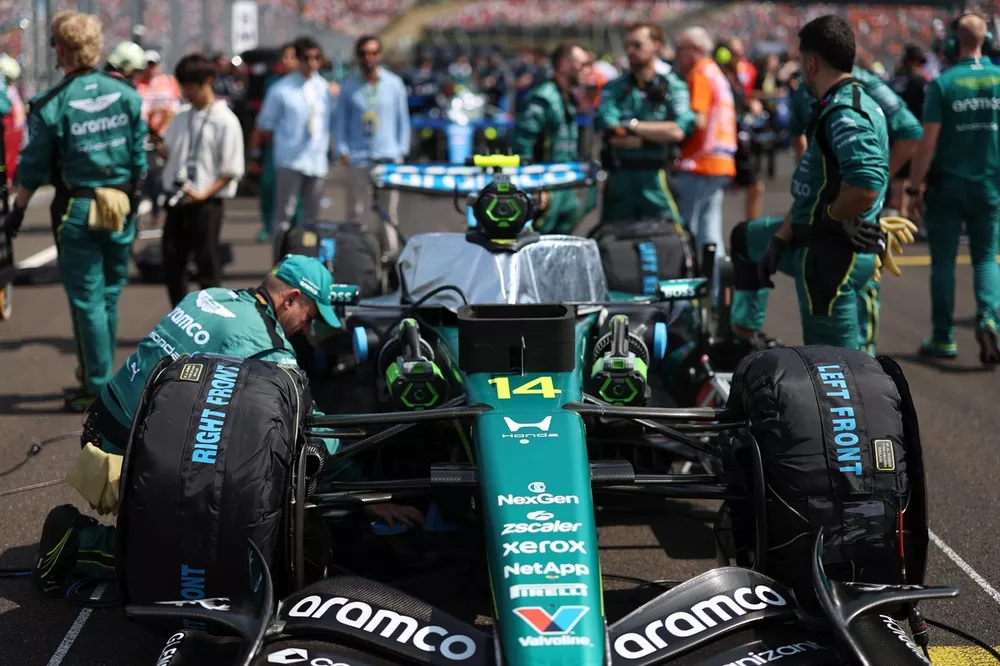
The Aston Martin AMR26 showed improved pace after receiving its major B-specification package in Hungary.
The result was encouraging.
Aston Martin moved closer to the midfield after struggling at the back of the grid earlier in the season. Fernando Alonso and Lance Stroll both reached Q2 and finished 13th and 14th at the Hungaroring.
The improvement was still not enough to challenge consistently for points, but it gave the team a stronger foundation for the second half of the season.
New aero upgrades are coming to Zandvoort
The improvements will continue in the Netherlands.
Aston Martin trackside operations chief Mike Krack confirmed that the team will introduce another group of aerodynamic changes for Zandvoort.
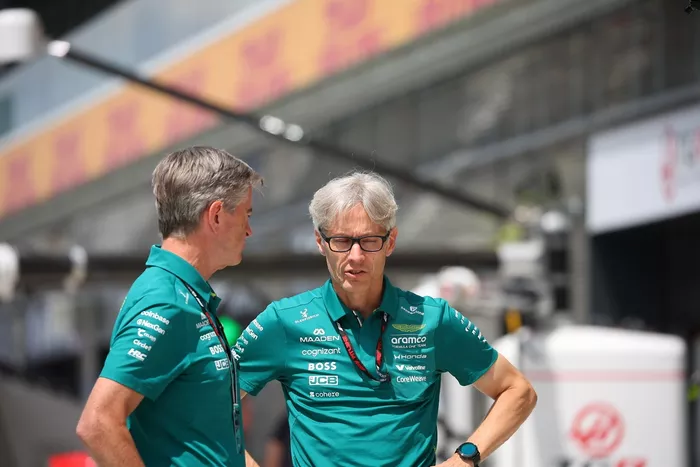
Mike Krack confirmed that Aston Martin will introduce aerodynamic changes to the floor and front wing at Zandvoort.
The upgrades focus on two important areas of the AMR26:
- The floor
- The front wing
Krack said the parts were developed from the lessons Aston Martin learned during the Hungarian Grand Prix.
The team expects the changes to provide a small performance step, although it will not have much opportunity to test the aerodynamic package during Friday’s running.
Honda also brings a new power-unit update
The aerodynamic changes are not the only development arriving at Zandvoort.
Honda will also introduce an update to its power unit through the FIA’s ADUO system. Aston Martin hopes the revised engine will provide additional performance as the team works to close the gap to its rivals.
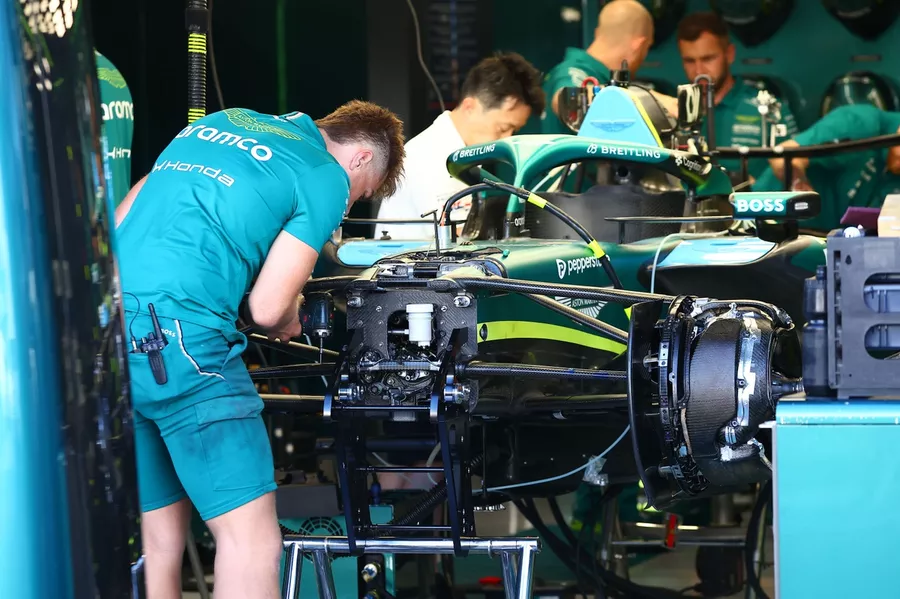
Honda’s latest power-unit update will debut alongside Aston Martin’s aerodynamic developments at Zandvoort.
However, the team will need to manage its track time carefully.
Zandvoort features only one free-practice session, making it more difficult to evaluate new aerodynamic components while also working through the engine update.
Weather could make the situation even more complicated.
A crucial weekend for Aston Martin
Aston Martin therefore arrives at Zandvoort with several important changes at once.
The B-specification car already produced a noticeable improvement in Hungary. The new aerodynamic upgrades could add another step, while Honda’s power-unit development could provide additional performance on top of that.
The team will now need to understand the new package quickly and extract as much performance as possible from a limited amount of practice time.
For Aston Martin AMR26 upgrades, Zandvoort could become another important checkpoint in the team’s recovery. After a difficult opening phase to the 2026 season, every development gain matters as Aston Martin tries to move closer to the midfield and eventually back into regular contention for points.
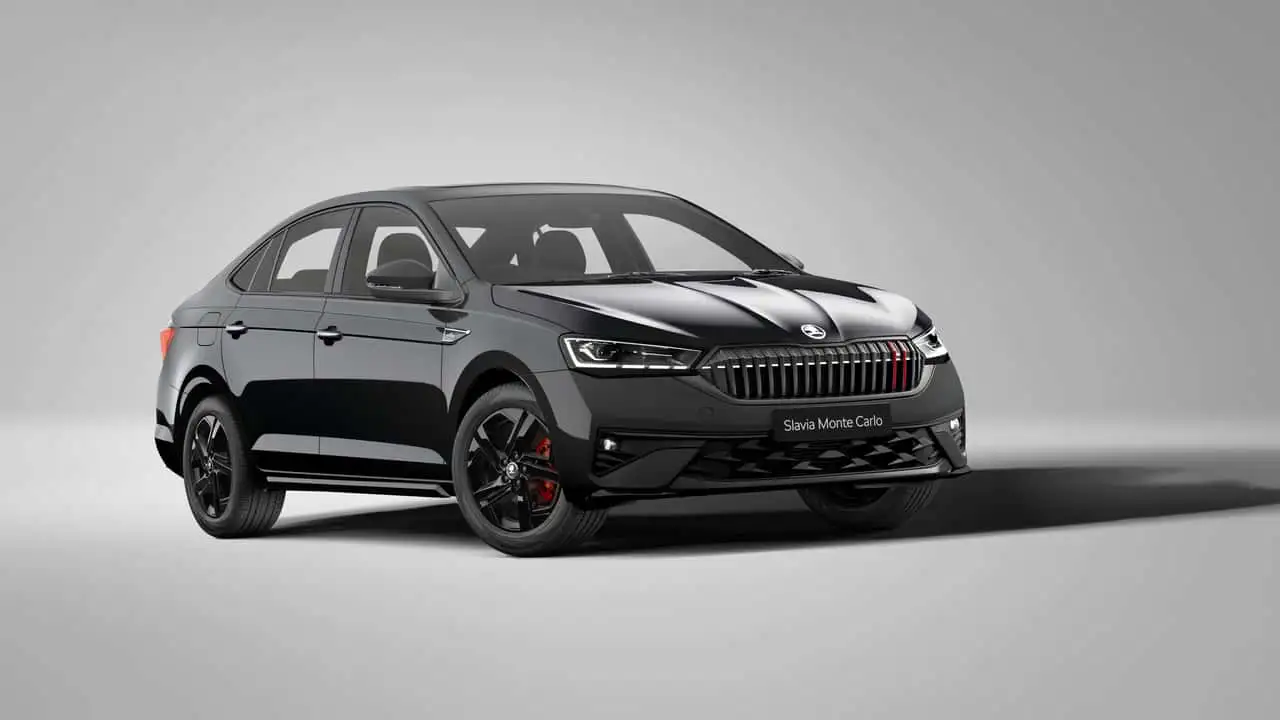
Skoda has refreshed the Slavia for India with updated styling, more technology, new automatic transmissions, and a rear-seat massage function.
Skoda has unveiled the updated Slavia sedan for the Indian market, adding new technology, improved comfort features, and revised styling.
The facelifted model remains based on the local MQB-A0-IN platform, developed and produced in India. It forms part of Skoda’s “made in India, for India” strategy alongside the Kushaq and Kylaq.
The Slavia is also exported to markets in the Middle East, Africa, and Vietnam.
Updated exterior design
The Skoda Slavia first arrived in 2022 and has now reached almost 80,000 sales in India.
The refreshed sedan keeps its overall dimensions, with a length of 178.7 inches, but receives several exterior updates.
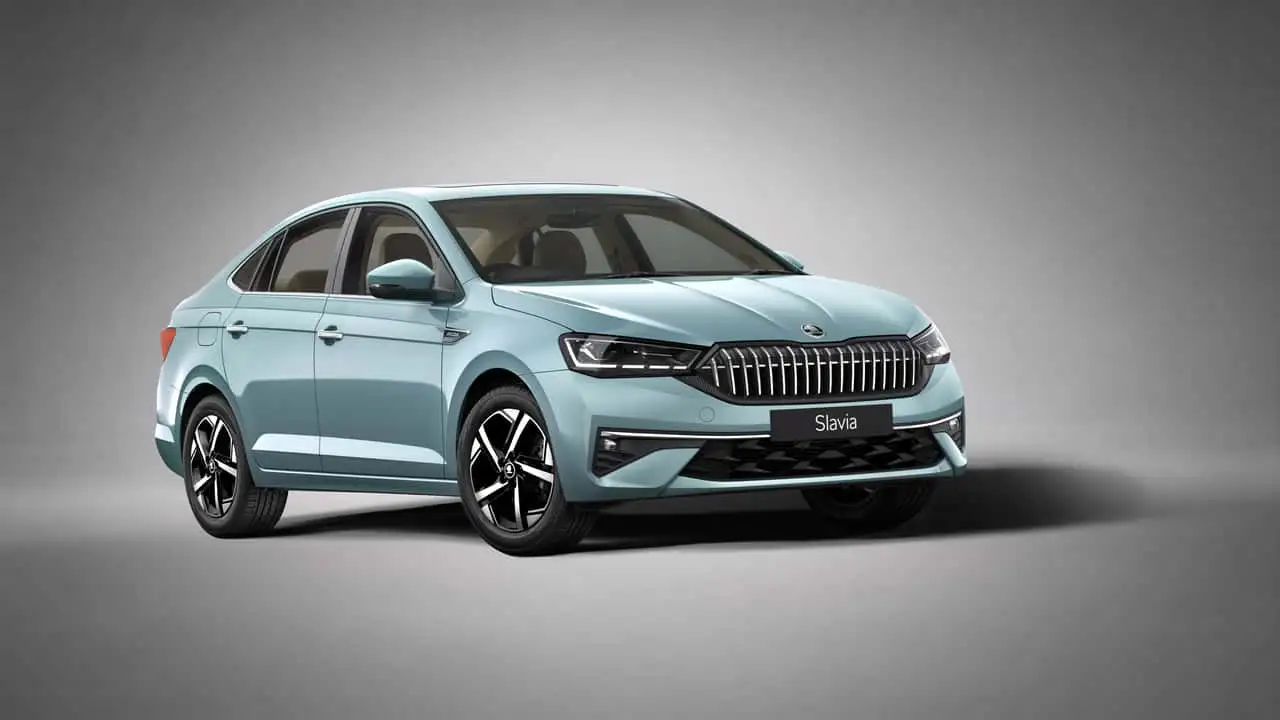
The facelifted Skoda Slavia gets new LED headlights and redesigned taillights with sequential turn signals.
The most noticeable change comes at the front, where new LED headlights give the sedan a fresher appearance.
At the rear, Skoda has redesigned the taillights and added sequential turn signals.
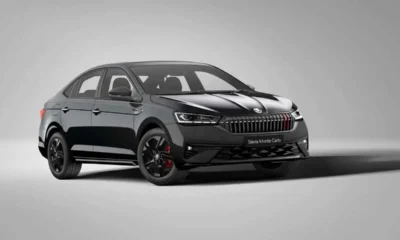
The range-topping Monte Carlo version also receives two-tone exterior paint, black accents, and exclusive badging.
More technology and comfort inside
The cabin receives several important updates for the facelift.
A 10.3-inch digital instrument cluster now works alongside a 10.1-inch infotainment display. Wireless Apple CarPlay and Android Auto are also available.
Skoda has also introduced an AI Companion based on Google Cloud’s Automotive AI Agent.
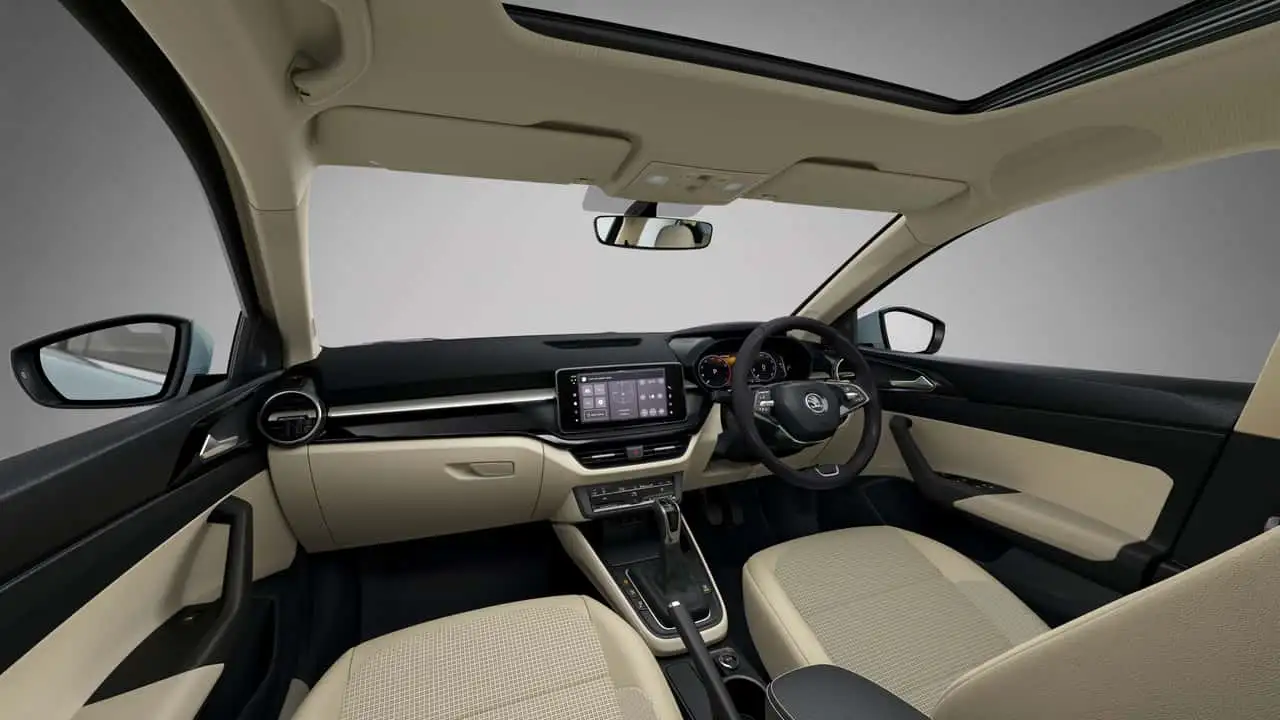
The updated Slavia combines digital displays with an AI assistant designed specifically for Indian English voice commands.
The system can recognize Indian English accents and respond to voice commands. Drivers can use it for music, phone calls, climate control, and other functions while also requesting real-time information.
However, the most unusual addition is aimed at passengers in the back.
The updated Slavia introduces a rear-seat massage function, which Skoda describes as a segment-first feature.
Other available equipment includes a 360-degree Area View camera, front parking sensors with Park Pilot, and additional convenience features.
Safety remains a major focus
Skoda has also expanded the Slavia’s safety package.
The sedan comes with six airbags as standard and more than 25 active and passive safety systems.
The Slavia has also earned a five-star Global NCAP rating for both adult and child occupant protection.
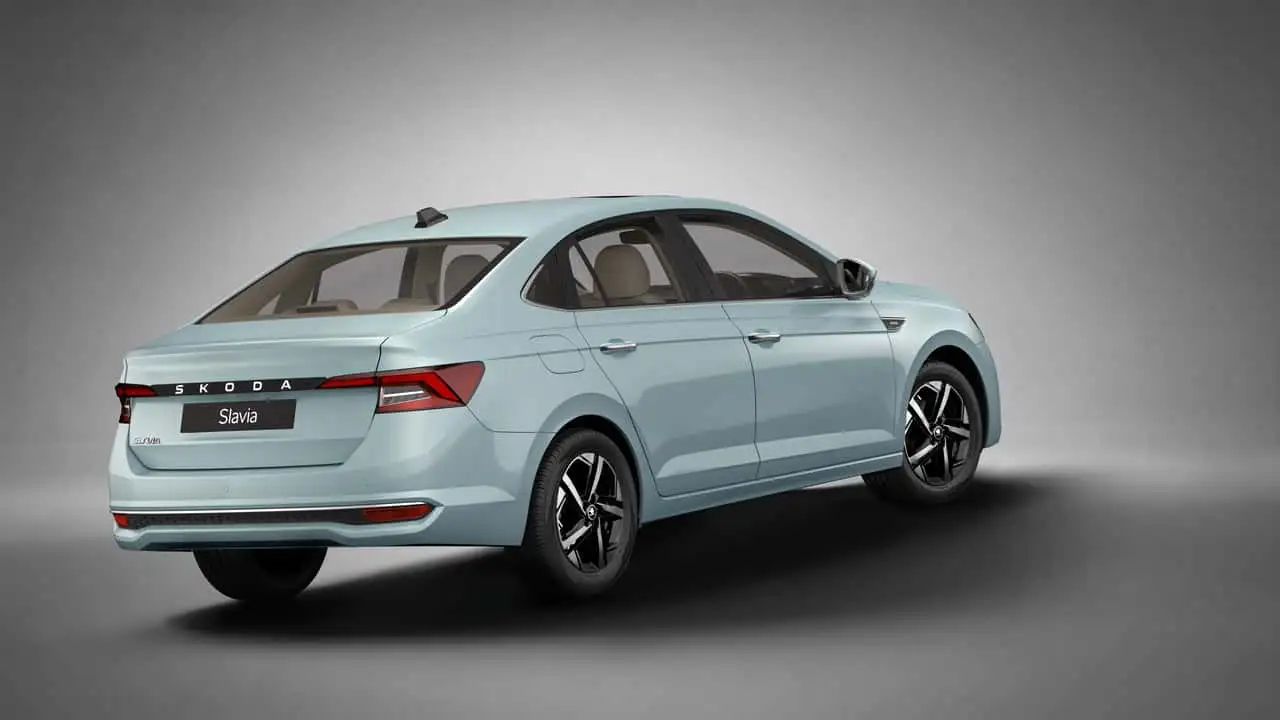
The Slavia combines six standard airbags with more than 25 active and passive safety systems.
That safety equipment adds to the sedan’s appeal in a market where buyers are increasingly focused on advanced driver assistance and occupant protection.
The updated technology package also makes the Slavia more competitive against newer rivals.
New eight-speed automatic transmission
The powertrain lineup continues to use TSI gasoline engines, but Skoda has introduced an important transmission update.
The 1.0 TSI can now be paired with a new eight-speed automatic transmission with a torque converter. Skoda says this setup is a segment-first feature.
A six-speed manual transmission remains available for buyers who prefer a more traditional driving experience.
The larger 1.5 TSI continues with a seven-speed DSG automatic transmission.
Vehicles equipped with the 1.5-liter engine also gain rear disc brakes, adding another technical upgrade to the revised model.
Pricing has not been announced
Skoda has not yet revealed pricing for the updated Slavia.
For reference, the outgoing model currently ranges from approximately $13,000 to $22,000 at current exchange rates, depending on the selected trim.
The updated Skoda Slavia gives the Indian-market sedan a substantial technology boost while retaining its compact dimensions and gasoline powertrains.
-

 NOW TRENDING2 months ago
Polestar to Exit U.S. Market After 2026 Due to Connected Vehicle Rules
-
 TEST DRIVES2 months ago
Subaru’s New Uncharted GT Could Be The Brand’s Most Interesting Small EV Yet
-
 NOW TRENDING2 months ago
Tesla Model Y L Arrives in the U.S. With More Space and Three Rows
-
 NOW TRENDING2 months ago
The 2026 Lexus ES Is No Longer Just A Hybrid Sedan — It’s Now A Three-Way Luxury Play With Hybrid And EV Power
-
 NOW TRENDING2 months ago
The 2026 Kia Sportage Is More Than A Mid-Cycle Refresh — It’s Kia’s Play To Keep Its Best-Seller At The Center Of America’s SUV Market
-
 RACING2 months ago
Why F1 2026 Batteries Have Become The Biggest Reliability Headache On The Grid
-
 INTELLIGENT MOBILITY2 months ago
Bolt, Pony.ai and Stellantis launch autonomous mobility pilot in Luxembourg
-

 RACING2 months ago
McLaren F1 Unveils Special Silverstone Livery Honoring Its History
You must be logged in to post a comment Login