
A unique, completely original example with an unparalleled racing pedigree places this Ferrari 250 GTO among the most valuable cars in history.

The world of blue-chip classic cars is once again turning its attention to Ferrari–and not just any Ferrari. A 1962 Ferrari 250 GTO, fully original and never restored, is set to be the star attraction at Mecum Auctions in Kissimmee, Florida, taking place from January 6 to 18. Experts estimate that this exceptional example could reach figures close to $70 million, cementing its status as one of the most expensive automobiles ever sold at public auction.
The Ferrari 250 GTO is widely regarded as the ultimate expression of the marque. Built in fewer than 40 units between 1962 and 1964, it was conceived with a single purpose: to dominate the International GT Championship. Beneath its long aluminium bonnet, engineered by Ferrari and bodied by Scaglietti, lies the legendary 3.0-litre naturally aspirated V12 Type 168/62 Comp, producing around 300 hp and paired with a five-speed manual gearbox that delivered outstanding performance and endurance reliability.
A one-of-a-kind GTO: the only factory-delivered example in white

Chassis 3729GT is unique for one decisive reason: it is the only Ferrari 250 GTO delivered new from the factory in white. Its first owner, British racing figure John Coombs, selected this specification and introduced functional, competition-focused modifications that remain today, including bonnet vents, a third air intake on the front fender, and a cockpit ventilation duct connected to a headlamp. These details confirm that this GTO was a true racing machine, not merely a showpiece.
Its competition record is nothing short of remarkable. This 250 GTO Bianco Speciale achieved class victories and numerous second-place finishes on major British and European circuits, driven by legends such as Graham Hill, Mike Parkes, Roy Salvadori and Richie Ginther. In 1962 and 1963, it finished second overall at the RAC Tourist Trophy at Goodwood, scoring valuable points toward Ferrari’s world championship titles. Its superiority was so evident that it was even loaned to Jaguar for comparative testing against the E-Type, clearly demonstrating its advantage.
After its racing career, the car passed through a succession of distinguished owners, including Jack Sears, who kept it for nearly thirty years. Since 1999, it has formed part of the Jon Shirley Collection, during which time it has been meticulously maintained and never invasively restored, while being returned to its original white livery. Regularly seen at prestigious events such as Pebble Beach, the Cavallino Classic and the Goodwood Revival, and certified by Ferrari Classiche, this extraordinary combination of originality, history and exclusivity explains why this Ferrari 250 GTO could reach–or even exceed–the $70 million mark, securing its place at the very pinnacle of automotive history.











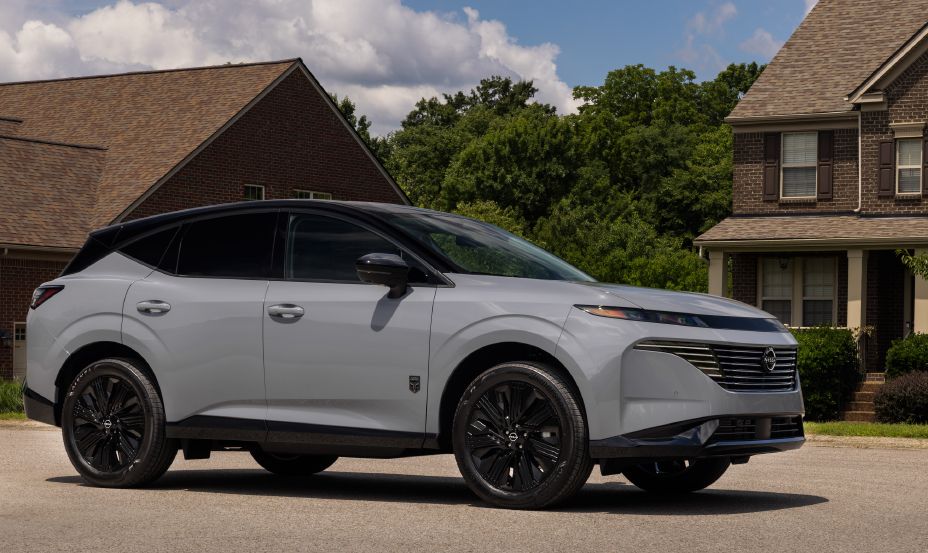
The 2027 Nissan Murano is now on sale with a $43,990 starting price, while the new Dark Armor grade adds blacked-out styling and 21-inch wheels.
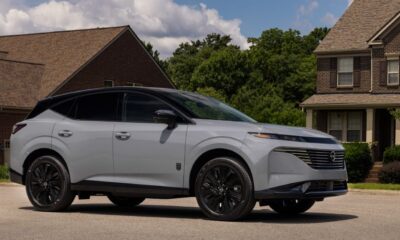
Nissan has launched the 2027 Murano in the United States with a starting MSRP of $43,990 and a new Dark Armor grade designed to give the midsize crossover a more aggressive appearance.
The new trim sits between the well-equipped SL and the range-topping Platinum in Nissan’s simplified Murano lineup.
2027 Nissan Murano Pricing
All 2027 Murano models use all-wheel drive, with pricing starting below $50,000 even for the Platinum model.
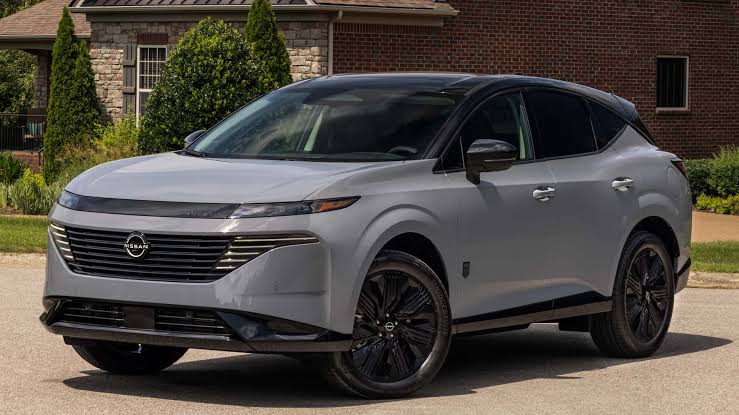
The 2027 Nissan Murano introduces a new Dark Armor grade between the SL and Platinum trims.
The lineup is priced as follows:
| Trim | MSRP |
|---|---|
| Murano SL AWD | $43,990 |
| Murano Dark Armor AWD | $46,990 |
| Murano Platinum AWD | $49,790 |
Destination and handling adds $1,545.
New Dark Armor Trim Adds Blacked-Out Styling
The biggest change for 2027 is the new Dark Armor grade.
Nissan gives the Murano a darker exterior treatment with gloss-black 21-inch wheels, sportier bumpers, and gloss-black lower side molding.
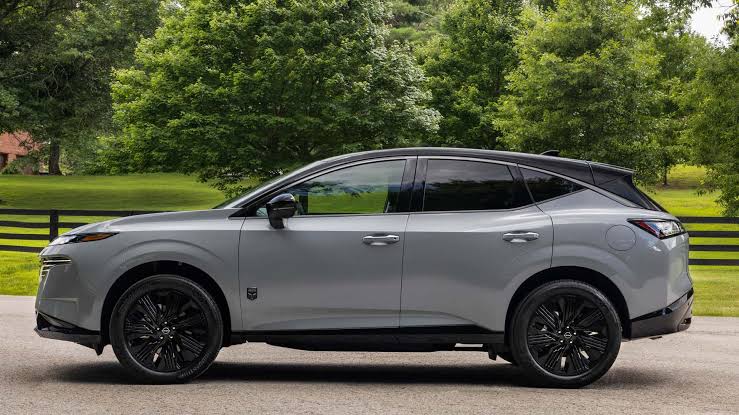
The Murano Dark Armor uses gloss-black 21-inch wheels and additional black exterior details.
The Nissan badges are also finished in gloss black, while dedicated Dark Armor badges are placed on the front doors.
The trim is available only with a Graphite interior and can be ordered in six exterior color combinations.
Those include Gun Metallic, Super Black, Scarlet Ember, Everest White, Boulder Gray with a Super Black roof, and Everest White with a Super Black roof.
Murano Keeps Its Premium Technology
Beyond the new appearance package, the 2027 Murano continues to focus on comfort and technology.
Available features include ProPILOT Assist 2.1, which allows attentive drivers to take their hands off the wheel during compatible freeway driving.
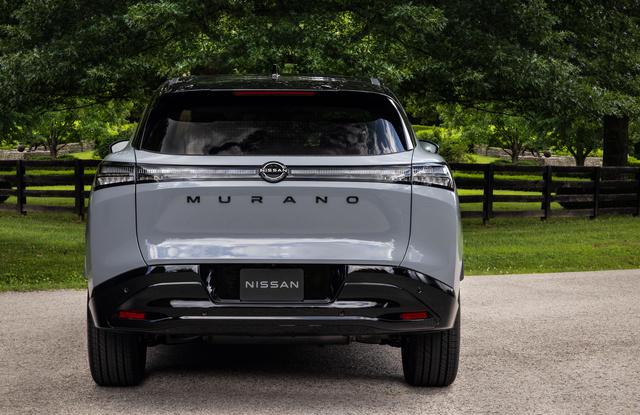
The 2027 Murano continues to offer ProPILOT Assist 2.1 and a 12.3-inch infotainment display.
The SUV also offers Google built-in, including Google Maps, Google Play Store, and Google Assistant through its 12.3-inch infotainment display.
Other available features include massaging front seats and an enhanced 3D Intelligent Around View Monitor with 3D rotation, Front Wide View, and Invisible Hood View.
Built in Tennessee
The Nissan Murano continues to be assembled at Nissan’s Smyrna, Tennessee, plant.
The model was also recognized as the Best Midsize 2-Row SUV for the Money in the 2026 U.S. News & World Report Best Cars for the Money awards.
It earned additional recognition from the Insurance Institute for Highway Safety, which named the 2026 Murano a TOP SAFETY PICK+.
For the 2027 Nissan Murano, the new Dark Armor grade is the headline change, giving buyers a more distinctive alternative without moving all the way to the $49,790 Platinum trim.
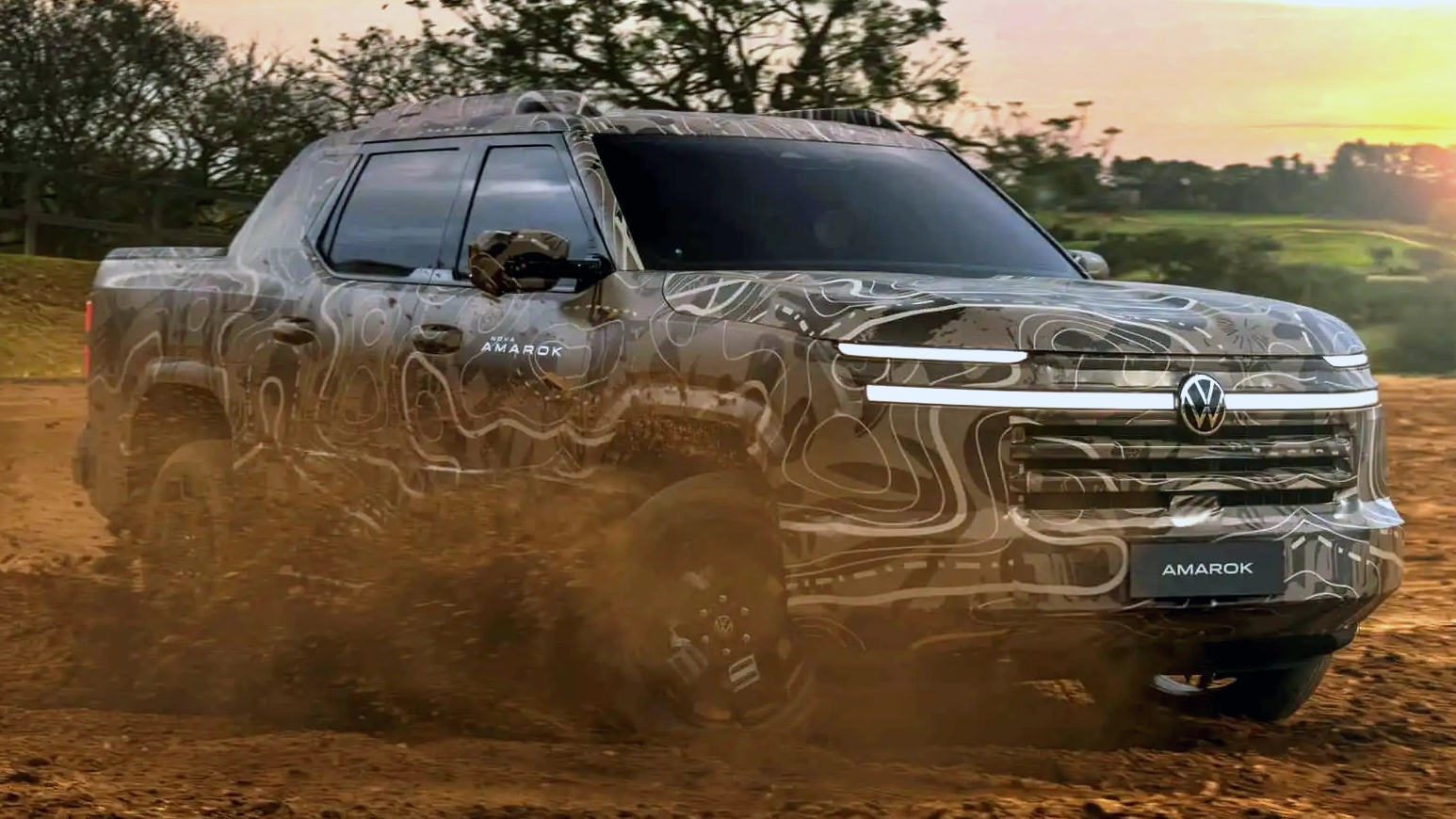
Volkswagen is teasing a new Amarok with electrification and up to 464 horsepower, raising questions about whether the pickup could eventually reach the U.S. market.
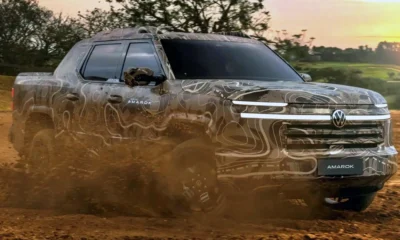
Volkswagen is preparing a new generation of the Amarok pickup, and the company has confirmed that the next model will offer more power than any Amarok before it.
The truck was teased in Brazil alongside the new Tukan pickup, with Volkswagen revealing that the upcoming Amarok will combine electrification with a significantly more powerful powertrain lineup.
The Most Powerful Amarok Yet
Volkswagen has not released complete technical details, but reporting from Brazil indicates that the range could include an 800 TSI version producing as much as 464 horsepower and 590 lb-ft of torque.
That would make the next Amarok substantially more powerful than previous versions.
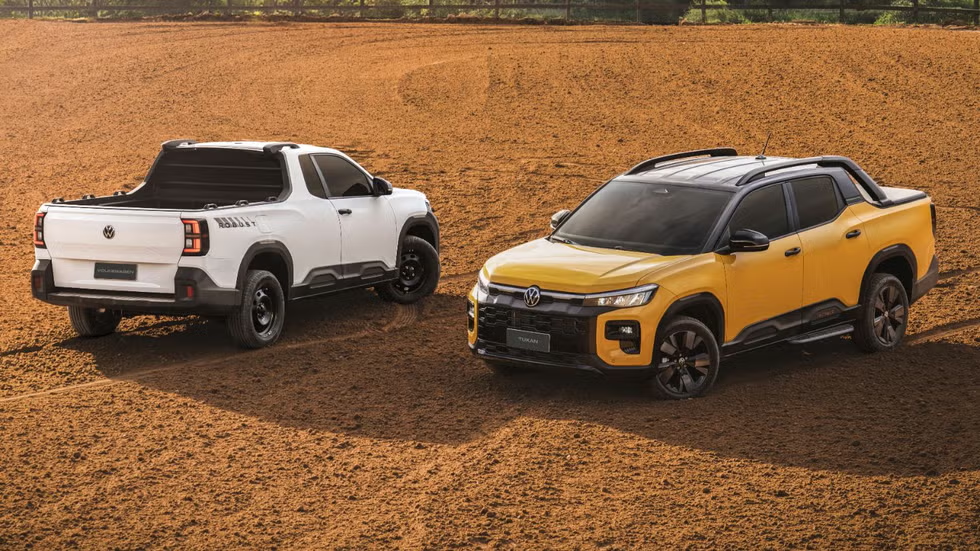
Volkswagen has teased the next-generation Amarok in Brazil, promising its most powerful powertrain yet.
The combination of high output and electrification suggests Volkswagen is looking to make the Amarok more competitive in the increasingly sophisticated midsize pickup segment.
The company has yet to reveal complete specifications, including battery capacity, electric range, or the exact hybrid system.
Amarok Already Has a North American Presence
Although the Amarok is not sold in the United States, Volkswagen does offer the pickup in Mexico.
Brazil is also an important market for Volkswagen’s trucks, where pickups play a major role in commercial and private use.
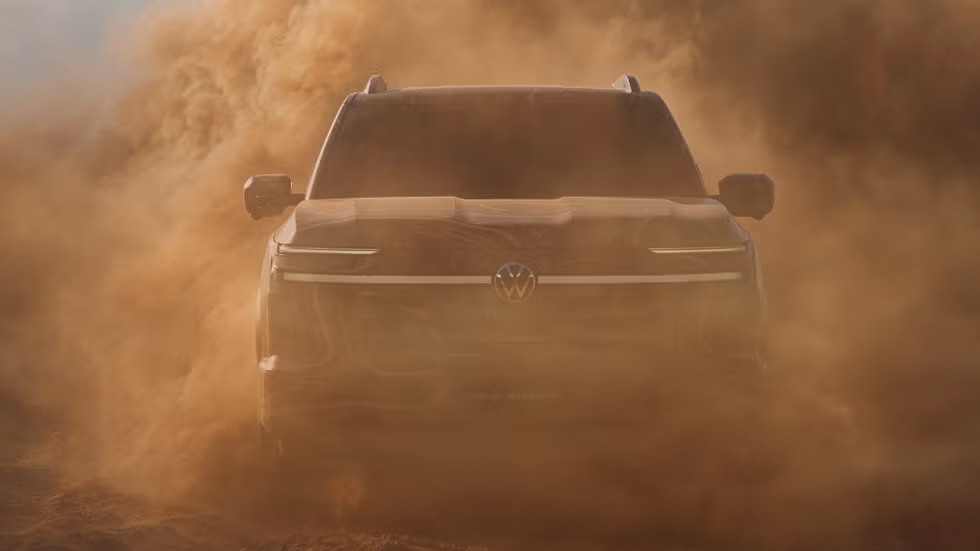
The Amarok is already sold in Mexico, while Brazil remains an important market for Volkswagen pickups.
In those markets, Volkswagen positions its trucks primarily as practical working vehicles rather than premium alternatives to pickups such as the Toyota Tacoma.
That includes fleet customers, making durability and utility particularly important.
The upcoming Amarok’s additional power and electrification could therefore broaden its appeal without abandoning its traditional work-oriented role.
Could the Amarok Come to America?
Volkswagen has previously discussed developing a pickup for the U.S. market, with production potentially taking place at its factory in Chattanooga, Tennessee.
That makes the new Amarok particularly interesting for American Volkswagen fans.
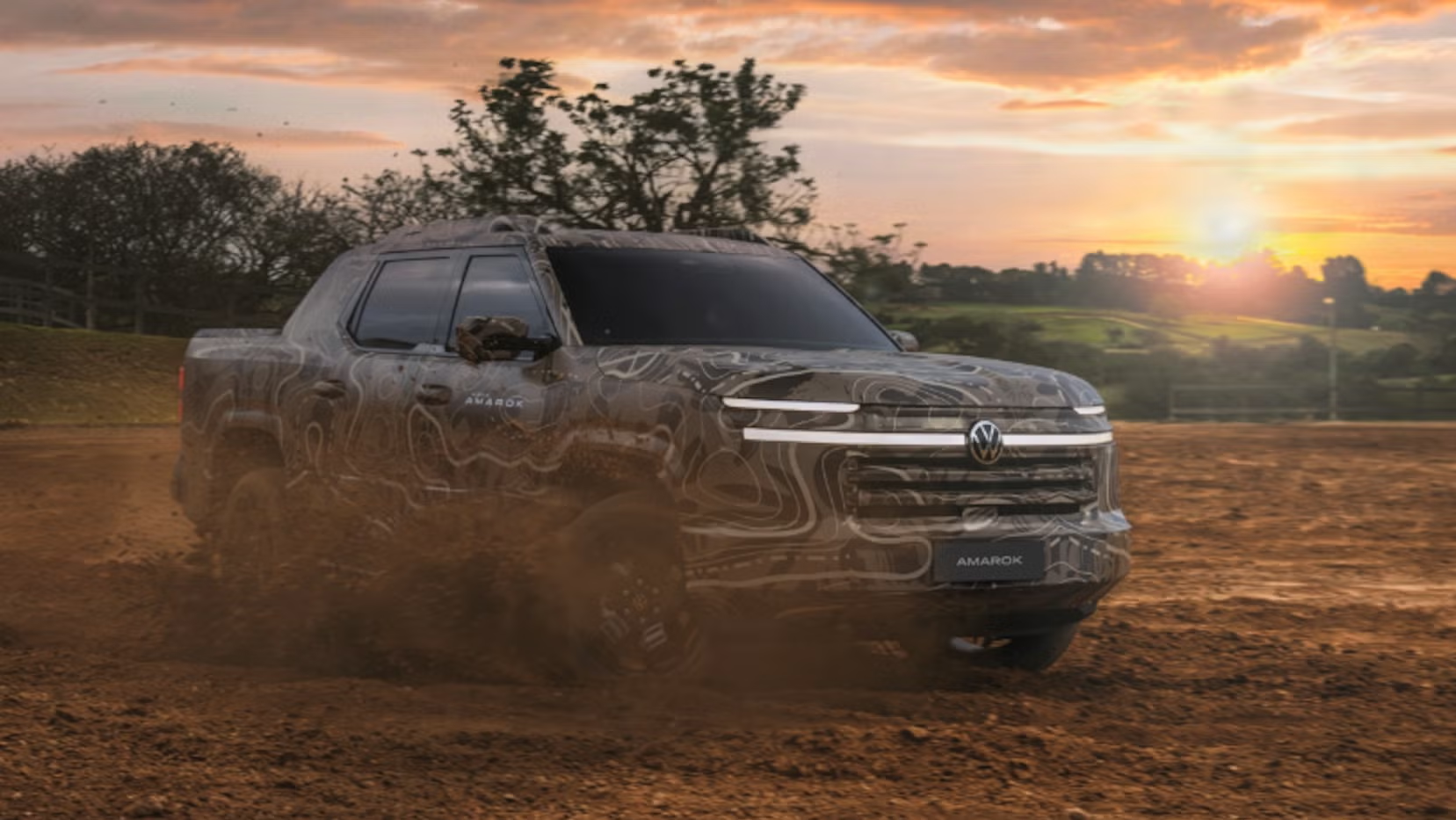
Volkswagen has previously considered a U.S.-market pickup, but the next Amarok has not been confirmed for the United States.
However, there is currently no confirmation that the new Amarok will be sold in the United States.
A U.S.-spec pickup could appeal to Volkswagen crossover owners looking for additional utility, but breaking into the American fleet and pickup market would be considerably more difficult.
The Amarok therefore remains a potentially interesting opportunity for Volkswagen, particularly as the company looks to strengthen its position in markets where pickups are among the most popular vehicle types.
For now, the Volkswagen Amarok remains officially confirmed for markets such as Brazil and Mexico, while its U.S. future is still unknown. What is clear is that the next generation is shaping up to be the most powerful and technologically advanced Amarok yet.
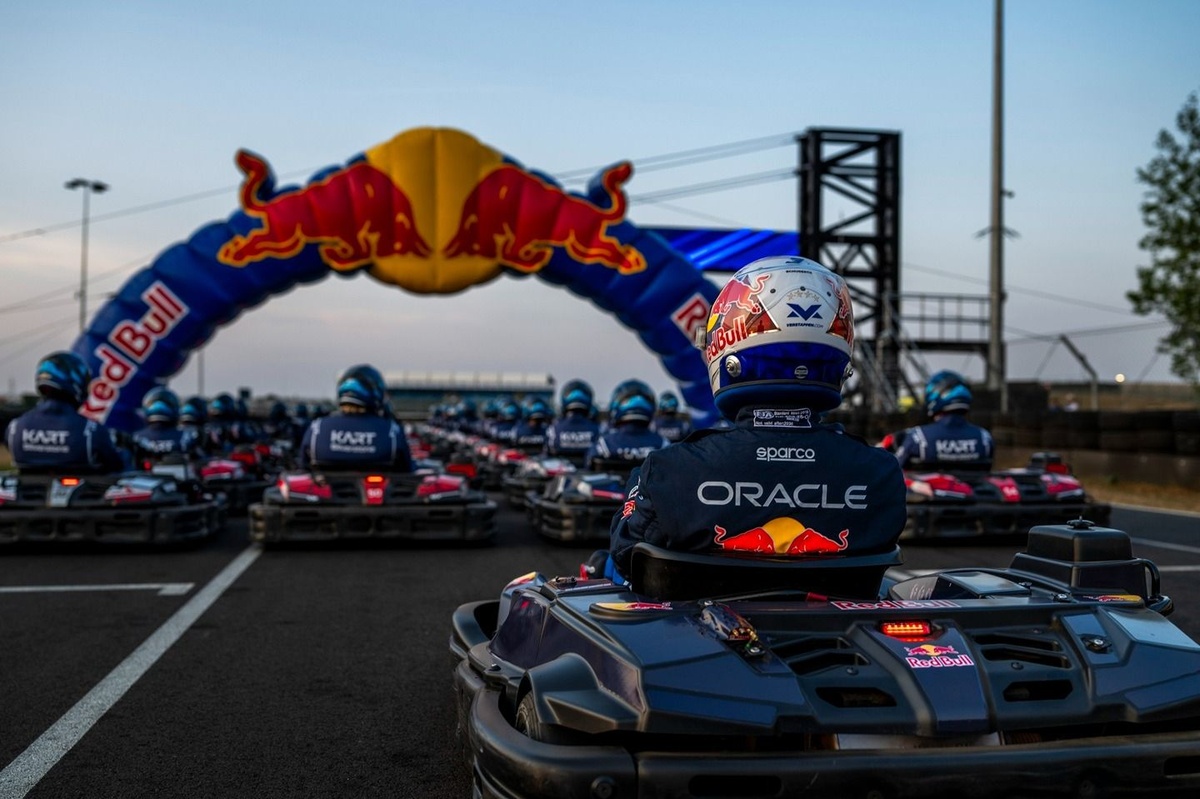
Max Verstappen will start from the back of a 101-driver field at Silverstone on September 16, attempting to overtake 100 rivals in a unique karting race.
Max Verstappen is taking on one of the most unusual racing challenges of his career.
The four-time Formula 1 world champion will compete against 100 other drivers in a special karting event at Silverstone on September 16.
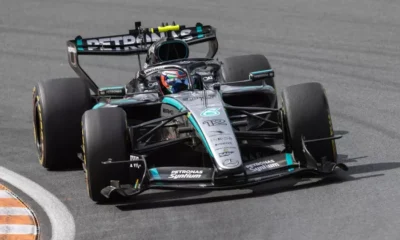
Dubbed “Max vs 100,” the race will feature a custom-built karting circuit and see Verstappen start at the very back of a 101-driver grid.
Verstappen Must Overtake 100 Rivals
The challenge is simple on paper but extremely difficult in practice.
Verstappen must work his way through the entire field before time runs out, making traffic management and overtaking the biggest challenges of the event.
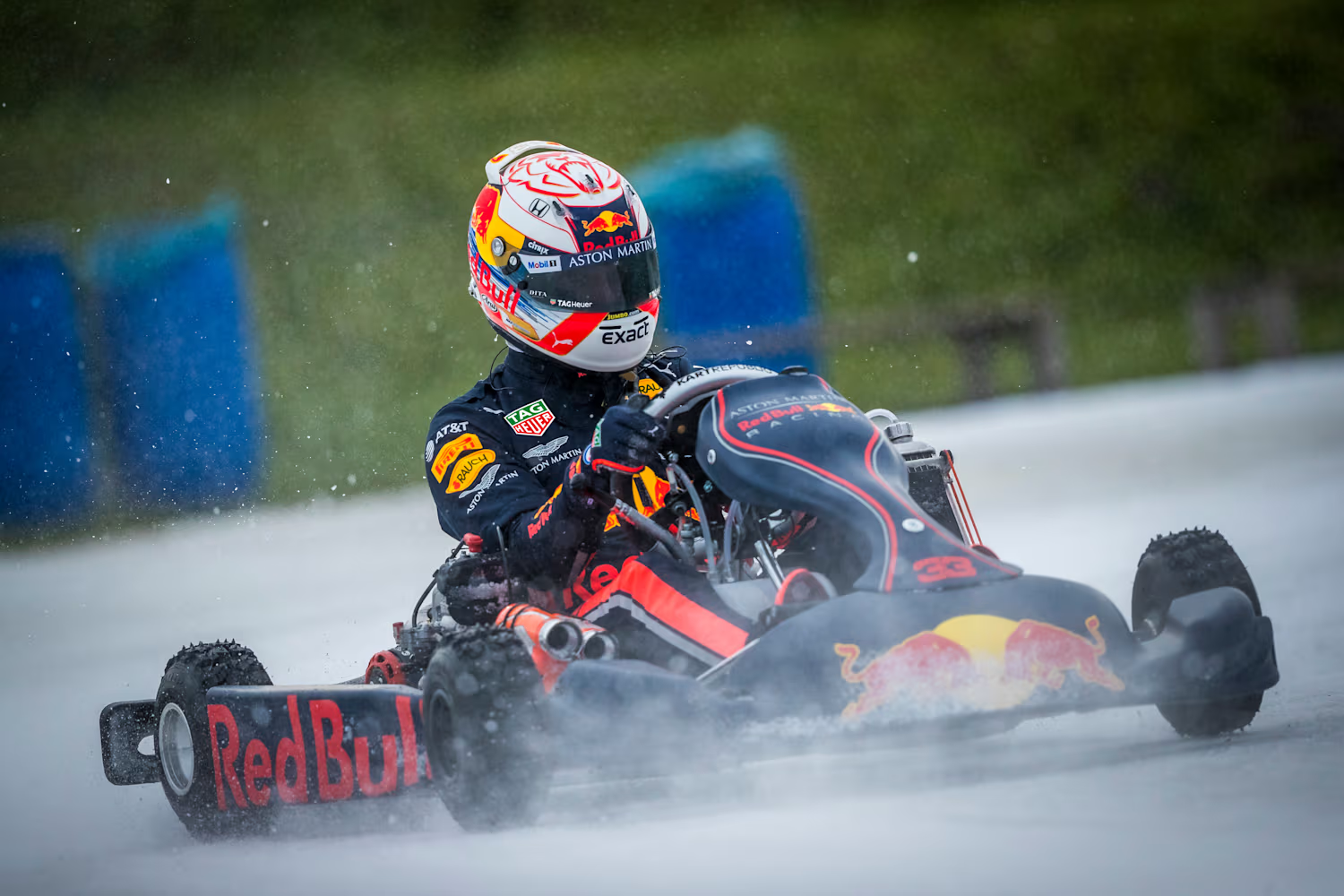
Max Verstappen will start last in a 101-driver karting race at Silverstone.
The field will include Red Bull athletes, celebrities, content creators, and amateur racers.
Red Bull has already confirmed several participants, including ultramarathon runner Arda Saatçi, basketball player Chris Matthews, freestyle mountain biker Matt Jones, and streamers TheGrefg, Caedrel, and TheDonato.
The complete entry list has not yet been announced.
A Return to Verstappen’s Karting Roots
The event is particularly fitting for Verstappen because karting was where his racing career began.
The Dutchman started karting at just four years old and spent years competing before progressing through the junior categories and eventually reaching Formula 1.
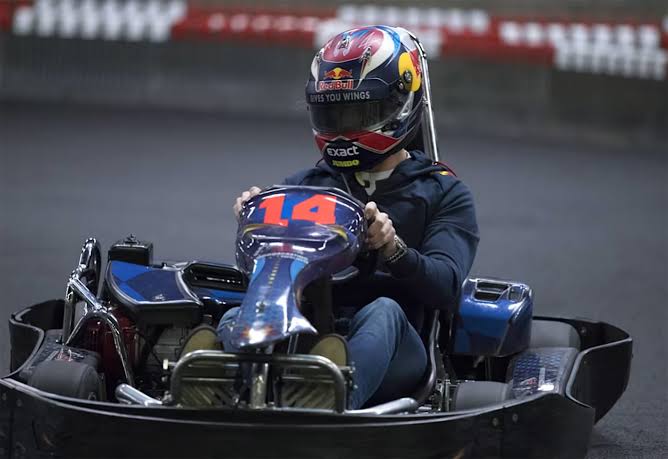
Verstappen began racing karts at four and says the discipline taught him the fundamentals of racing.
Verstappen says karting teaches many of the fundamentals required in motorsport, including starts, defending, overtaking, and understanding available grip.
He also believes that his extensive experience in karting allows him to quickly rediscover the feeling of a kart whenever he returns to one.
A Custom Silverstone Circuit
The karting track has been specifically designed for the event by French driver and race director David Terrien.
Terrien has already tested the layout alongside two-time iRacing world champion Sebastian Job.
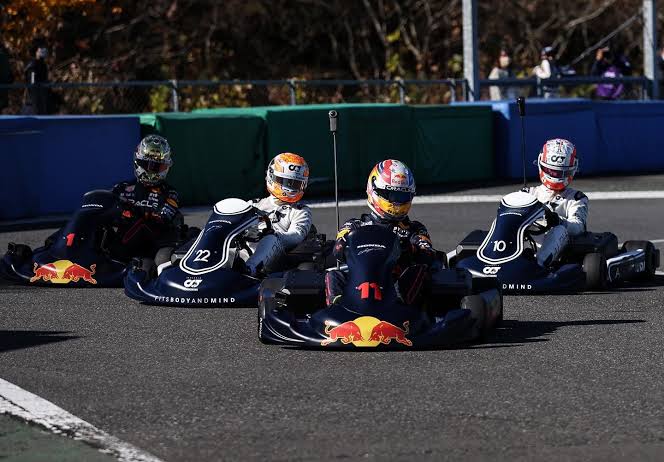
David Terrien designed the custom Silverstone karting circuit specifically for Verstappen’s 100-driver challenge.
-

 NOW TRENDING2 months ago
Polestar to Exit U.S. Market After 2026 Due to Connected Vehicle Rules
-
 NOW TRENDING2 months ago
Tesla Model Y L Arrives in the U.S. With More Space and Three Rows
-

 RACING2 months ago
McLaren F1 Unveils Special Silverstone Livery Honoring Its History
-
 INTELLIGENT MOBILITY2 months ago
Audi A4 E-tron and Q7 E-tron Confirmed as New Electric Models
-
 TEST DRIVES2 months ago
A Week Driving Honda’s New Hybrid Coupe
-
 TEST DRIVES2 months ago
Ford Recalls More Than 741,000 Trucks and SUVs Over Rollaway Risk
-
 NOW TRENDING2 months ago
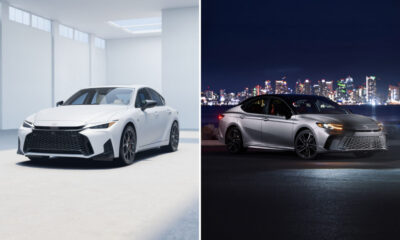
Toyota Reports Strong June and Q2 2026 U.S. Sales Growth
-

 INTELLIGENT MOBILITY2 months ago
GM Expands Super Cruise With Exclusive Hands-Free Towing Technology
You must be logged in to post a comment Login