
A 3,000-hp electric beast from China has just shattered the absolute speed record and redefined what it means to be the fastest in 2025.

The automotive world is experiencing a historic revolution: what once belonged exclusively to combustion engines is now being reclaimed by cutting-edge electric technology. And the ultimate proof comes from China. The Yangwang U9 Xtreme, developed by BYD, has just become the fastest production car on the planet, a milestone that completely rewrites the rulebook.
The Yangwang U9 Xtreme Breaks Every Limit

This new electric hypercar reached a certified top speed of 493.32 km/h at the ATP Papenburg high-speed test track in Germany. With this achievement, it not only becomes the fastest electric car in history, but also surpasses the legendary Bugatti Chiron Super Sport, which previously held the crown with 490.49 km/h. The comparison is brutal: electricity has officially beaten the ultimate titan of combustion.
Inside, the U9 Xtreme is a masterpiece of modern engineering. It features a four-motor electric drivetrain producing 2,977 hp, virtually identical to the specifications of the 30 production units BYD will build. For the record run, only the competition-grade semislick tires and a custom-tuned suspension were changed. Everything else is pure production-ready technology.
The man who pushed it to its limits was Marc Basseng, former GT1 world champion, who said breaking the record was “quite easy.” He explained that the acceleration and power delivery are absolutely unbelievable, to the point where the team expected to hit the record within just two or three days of testing. Basseng noted that above 400 km/h, even a 20 km/h increase dramatically changes the car’s behavior, requiring extreme steering precision: less than one degree of steering angle is enough to move several meters at those speeds.
The driver also warned that the U9 Xtreme’s powertrain could theoretically go even faster in future attempts, although “another 6 km/h can make a huge difference” in terms of stability and safety. What’s undeniable is that this record proves something decisive: electric cars are no longer the future – they’re the present of extreme performance.












The Hyundai IONIQ 6 N has won the Performance category at the 2027 German Car of the Year Awards, adding another major honor to its growing record.
IONIQ 6 N earns another major award
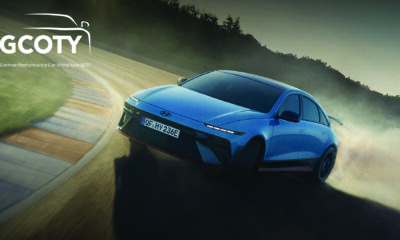
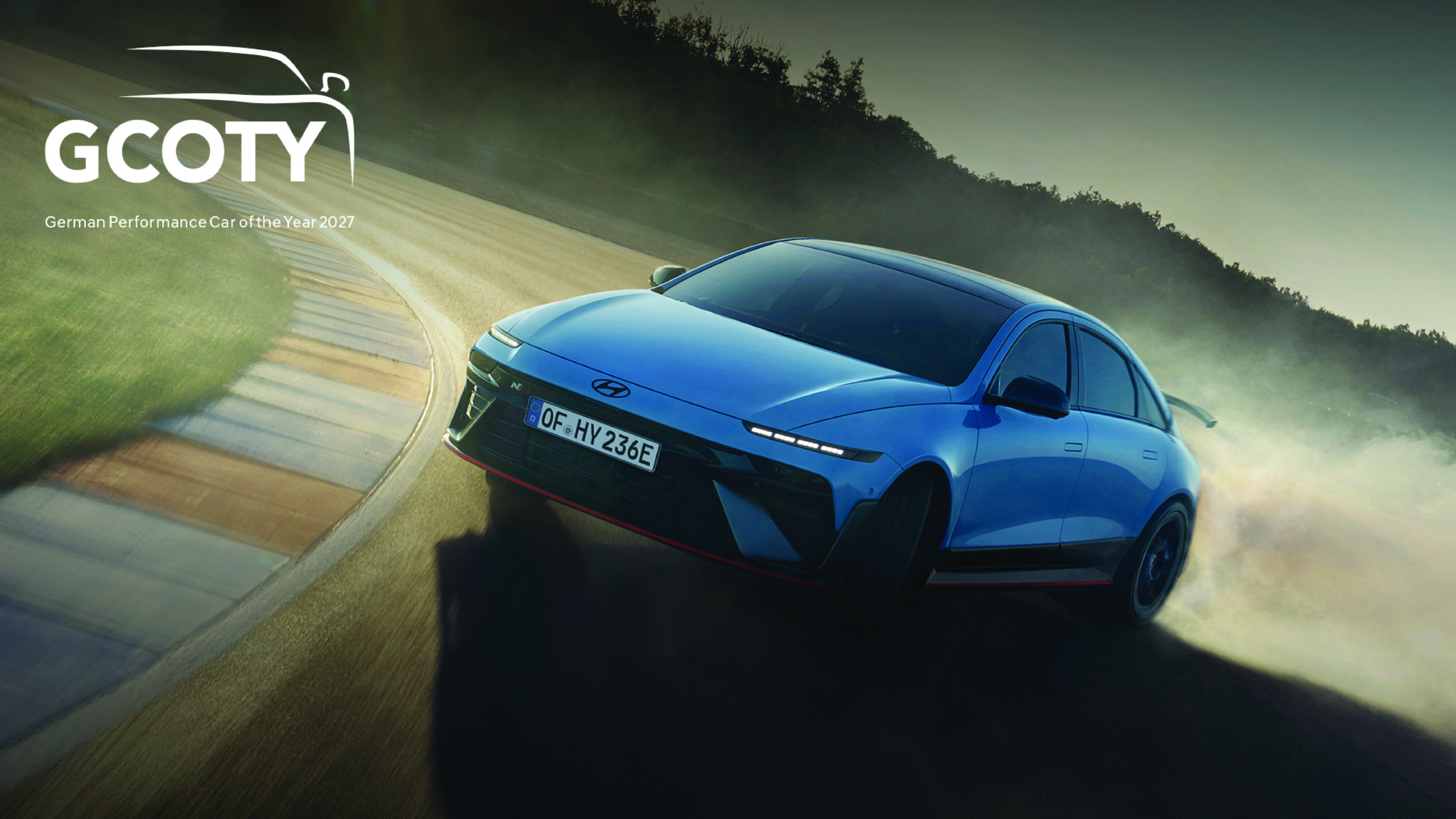
The Hyundai IONIQ 6 N has added another award to its short but growing history. The all-electric performance sedan has won the Performance category at the German Car of the Year (GCOTY) Awards 2027.
The result was announced on September 22, 2026. An independent jury of around 40 automotive journalists recognized the IONIQ 6 N for its performance, precise handling and driver-focused character.
The award comes only months after the model was named 2026 World Performance Car at the World Car Awards. That gives Hyundai another important international recognition for its high-performance EV.
The IONIQ 6 N won the Performance category at the 2027 German Car of the Year Awards.
For Hyundai N, the result also highlights a broader shift toward electric performance. The brand is using the IONIQ 6 N to apply its performance philosophy to an EV.
The car was developed for both road and track use. Hyundai says its three core pillars are Corner Rascal, Racetrack Capability and Everyday Sports Car.
A performance EV built around the driver
The IONIQ 6 N uses a dual-motor electric powertrain with an 84-kWh battery. Its standard output is 601 hp, while N Grin Boost raises peak output to 641 hp for a limited period.
The car can produce up to 568 lb-ft of torque. Hyundai quotes a 0-60 mph time of roughly 3.2 seconds, using its N Launch Control system, while top speed reaches about 160 mph.
These numbers are supported by hardware developed specifically for the N model.
The sedan features a redesigned suspension geometry, electronically controlled dampers and an electronic limited-slip differential. Hyundai says the setup is designed to improve cornering while maintaining comfort during everyday driving.
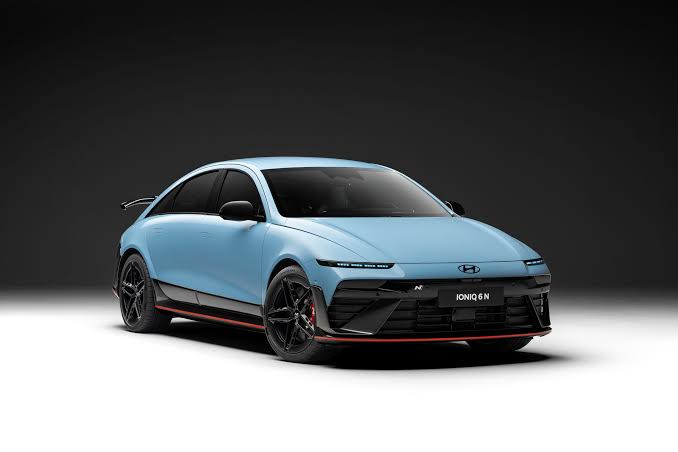
The IONIQ 6 N uses a wider stance, flared bodywork and aerodynamic elements developed for high-speed stability.
Aerodynamics are another major part of the package.
Hyundai gives the IONIQ 6 N flared fenders, lightweight wheels and a large rear wing. The company says these elements help control airflow and provide greater stability at high speeds.
The design also separates the N version from the regular IONIQ 6. Its wider body and motorsport-inspired details give the electric sedan a much more performance-focused appearance.
Inside, Hyundai follows the same philosophy.
The cabin includes N-specific controls, performance-oriented seats and dedicated software functions. The goal is to make the driver more aware of what the car is doing while keeping the vehicle usable on normal roads.
N e-Shift adds a different EV experience
One of the most unusual features is N e-Shift.
Instead of behaving like a conventional single-speed EV, the system simulates gear ratios and shift events. Hyundai designed it to recreate some of the sensations associated with changing gears in a performance car.
The IONIQ 6 N also uses N Active Sound+. The system adds performance-oriented sounds that respond to the car’s operation.
Both systems are designed to increase driver feedback. They do not change the fact that the vehicle is electric, but they add more sensory information behind the wheel.
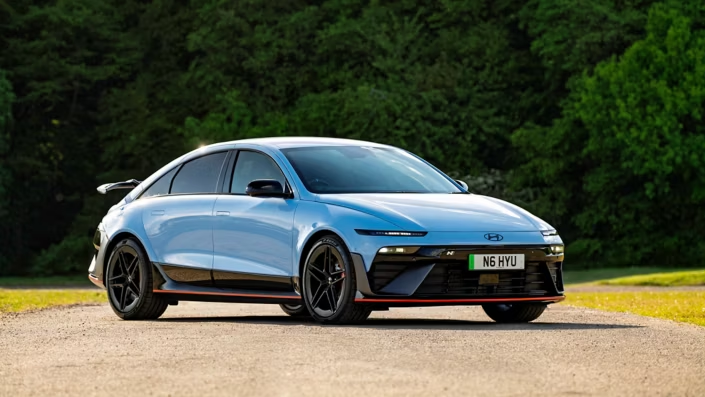
Hyundai developed the IONIQ 6 N with a dual-motor layout, an 84-kWh battery and dedicated N performance technology.
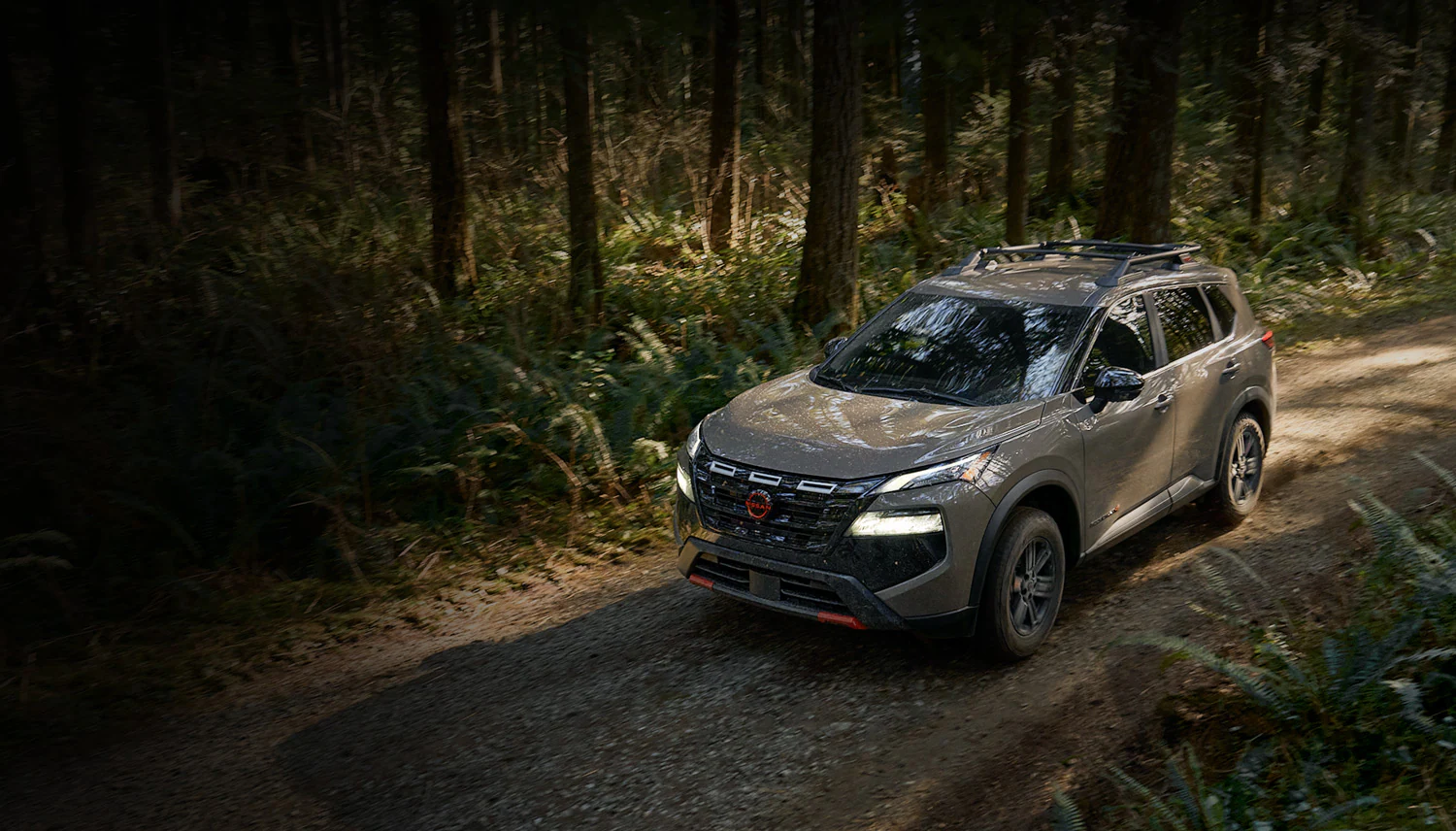
The 2027 Nissan Rogue remains available with a gas engine in the U.S., but its starting price increases as Nissan adds a new hybrid option to the lineup.
The gas-powered Rogue gets a small price increase
The 2027 Nissan Rogue is entering another model year without a major redesign. Instead, Nissan is carrying over the gasoline-powered SUV while introducing an all-new Rogue Hybrid separately for the U.S. market.
For 2027, the gas-powered Rogue starts at $31,265 including destination, according to the pricing information supplied for the model year. Nissan’s current U.S. website lists the 2027 Rogue at a $29,690 MSRP before destination and handling charges, which aligns with the reported $31,265 figure once the destination fee is included.
That makes the entry-level Rogue slightly more expensive than before. The increase is modest, but it comes at a time when buyers have more electrified choices in the compact SUV segment.
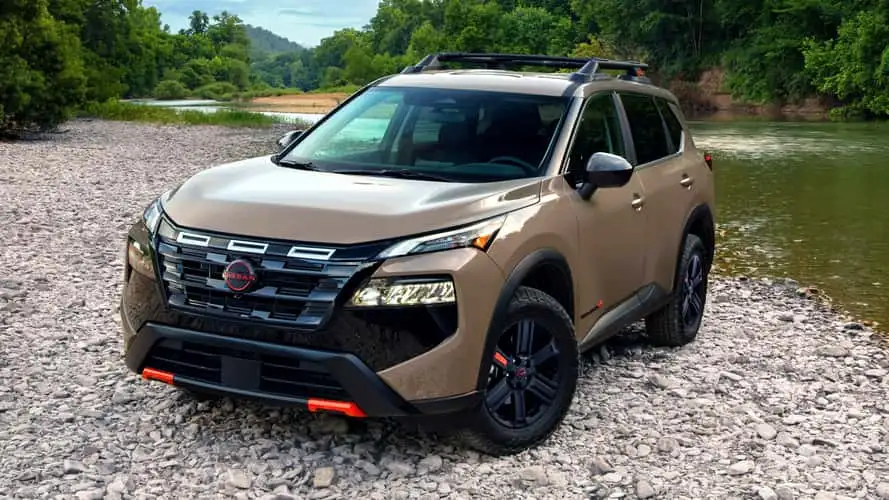
The gasoline-powered Rogue carries over for 2027 with the same basic design and powertrain.
The price structure varies by trim. The Rogue S FWD remains the entry point, while buyers can move into the SV, Dark Armor, Rock Creek and Platinum versions.
All-wheel drive remains available on selected trims, including the S, SV and Rock Creek. The additional cost for AWD is $1,400 on the versions where it is offered.
The Rock Creek sees the largest price increase in the range. The rugged-looking trim is now listed at $36,515 including destination, according to the supplied pricing information.
The Rogue Platinum also moves higher, reaching $41,365 including destination.
The same 1.5-liter turbo engine returns
Under the hood, the 2027 Rogue keeps Nissan’s 1.5-liter three-cylinder VC-Turbo engine.
The engine produces 201 horsepower and 225 lb-ft of torque. It is paired with Nissan’s Xtronic continuously variable transmission.
Nissan has also made calibration changes to the transmission. The company says the updates are intended to provide quicker throttle response and smoother acceleration.
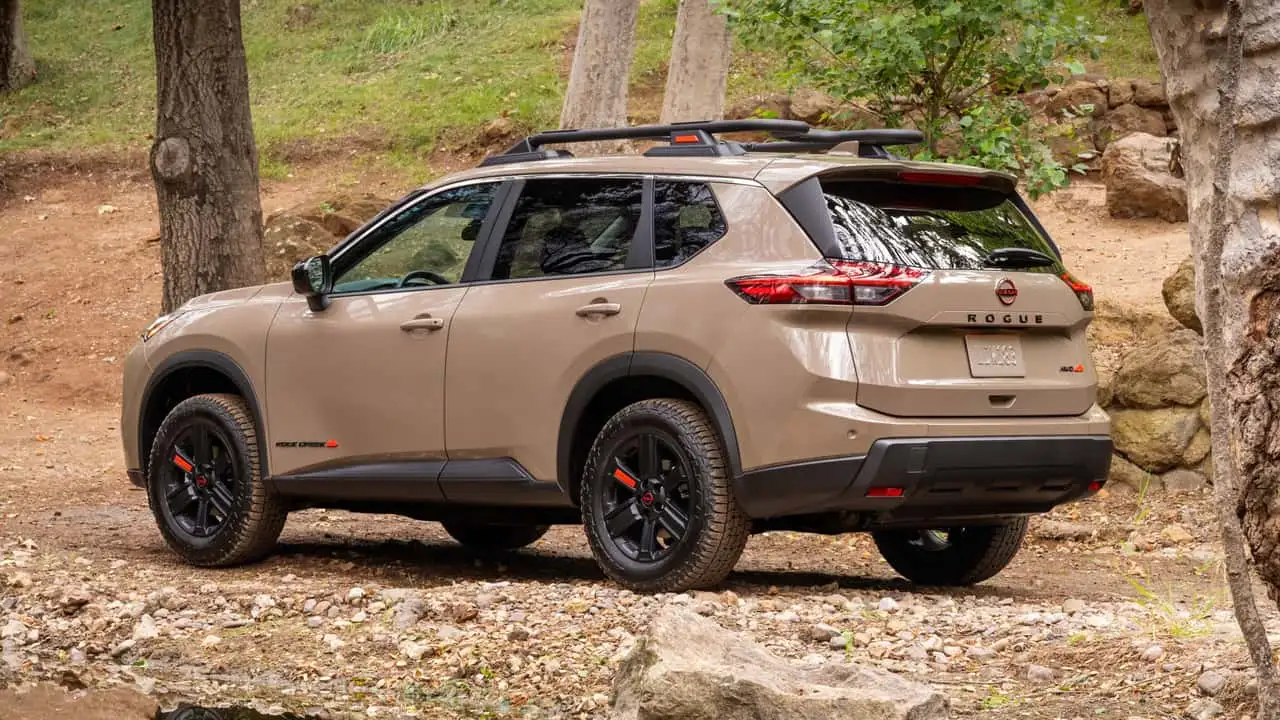
The Rogue’s familiar profile carries into the 2027 model year without a major exterior redesign.
Fuel economy remains competitive for a gasoline-powered compact SUV. Nissan lists an EPA-estimated 28 mpg in the city, 33 mpg on the highway and 30 mpg combined for the gas-powered Rogue.
The rest of the package is largely familiar.
The Rogue continues to offer seating for five passengers, available Intelligent All-Wheel Drive and a range of technology and comfort features. The lineup also includes the more rugged Rock Creek trim and the upscale Platinum model.
This carryover strategy gives Nissan a conventional alternative to its new hybrid model.
The new Rogue Hybrid changes the lineup
The biggest change for 2027 is not under the hood of the gasoline Rogue. It is the arrival of the all-new Rogue Hybrid.
Nissan is introducing the hybrid with its third-generation e-POWER system, which uses electric motors to drive the wheels while a gasoline engine generates electricity.
The new hybrid is also expected to deliver 40 mpg city in its SR AWD configuration. Nissan says the first Rogue Hybrid models will arrive in the U.S. in late fall 2026, with additional trims expected in early 2027.
That creates two distinct Rogue choices.
Buyers who want the familiar gasoline powertrain can stick with the carryover model. Those who want greater fuel efficiency and electric-motor driving can move to the new hybrid.

The conventional Rogue remains focused on value, practicality and everyday usability.
The pricing also keeps the Rogue in a competitive position.
Based on the supplied 2027 pricing figures, the Kia Sportage and Chevrolet Equinox remain less expensive at the entry level. The Honda CR-V starts higher, while the Rogue continues to sit near the middle of the compact SUV price range.
For Nissan, the strategy is straightforward. The company is keeping the established gasoline Rogue in the lineup while adding a more efficient hybrid alternative for customers who want something different.
The 2027 Nissan Rogue remains a U.S.-market compact SUV, and the gasoline model continues into the new model year with familiar technology, the 1.5-liter turbo engine and a slightly higher price.
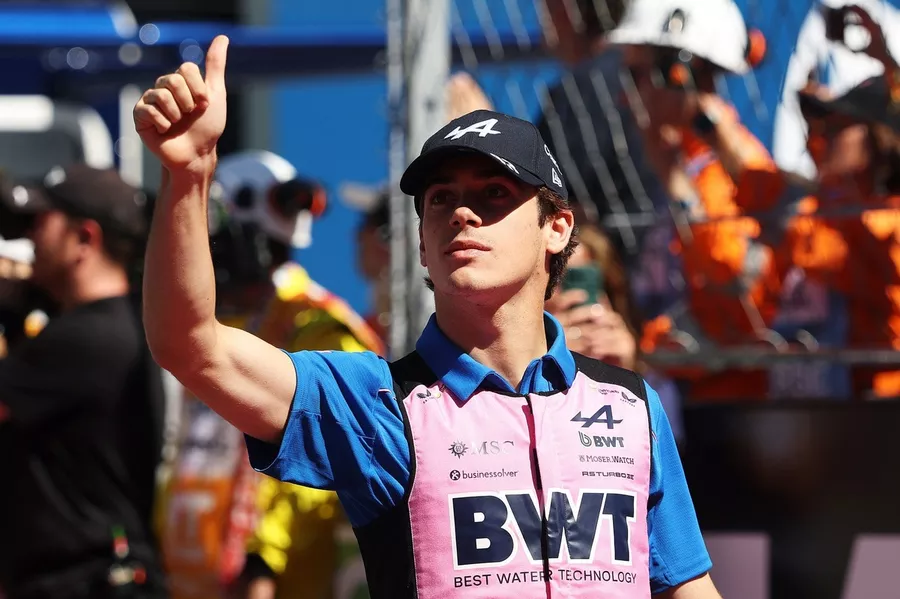
Franco Colapinto returns to Baku with Alpine after a seventh-place finish in Spain, aiming to continue his recent run of points-scoring results in Formula 1.
Colapinto returns to the scene of his F1 breakthrough
Some Formula 1 circuits become closely linked to a driver’s career. For Franco Colapinto, Baku is one of those places.
The Argentine returns to the Azerbaijan Grand Prix this weekend with Alpine. He arrives after finishing seventh at the Spanish Grand Prix in Madrid, another points-paying result during his 2026 campaign. Formula 1’s official results show that Colapinto also finished seventh in Miami and sixth in Canada earlier this season.
Baku carries a different meaning, though. It was here in 2024 that Colapinto scored the first Formula 1 points of his career.
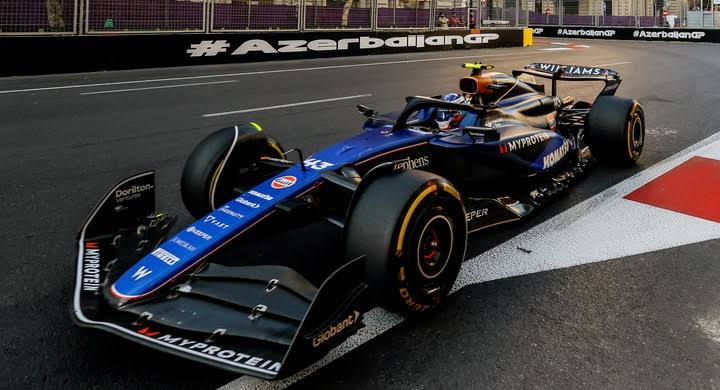
Franco Colapinto raced at Baku for Williams in 2024, scoring points in only his second Formula 1 appearance.
Colapinto reached Q3 and started eighth in the 2024 Azerbaijan Grand Prix. He then finished eighth after 51 laps, collecting four championship points for Williams.
The result was significant for another reason. Colapinto became the first Argentine driver to score Formula 1 points since Carlos Reutemann in 1982, according to Formula 1’s report from that weekend.
Now, two years later, his situation is very different.
He is no longer a young substitute making his first steps in the championship. He is racing as a full-time Alpine driver and arrives in Azerbaijan after one of his strongest weekends of the 2026 season.
Alpine wants to carry its recent momentum
Colapinto’s seventh place in Madrid came after another strong qualifying performance. He reached Q3 and qualified ninth, finishing ahead of his Alpine teammate Pierre Gasly. Formula 1 described the Spanish weekend as probably Colapinto’s best race weekend of the season in terms of execution.
The result also continued an important recent run.
Colapinto scored points in Spain after collecting points in the previous two European rounds. His 2026 record now includes eight points-scoring finishes after 14 races, according to Formula 1’s official driver results.
That gives Alpine a stronger foundation heading into Baku.
Colapinto said he wants to transfer the performance level from Madrid to Azerbaijan. The team’s official preview also highlights the confidence created by its recent points-scoring form.
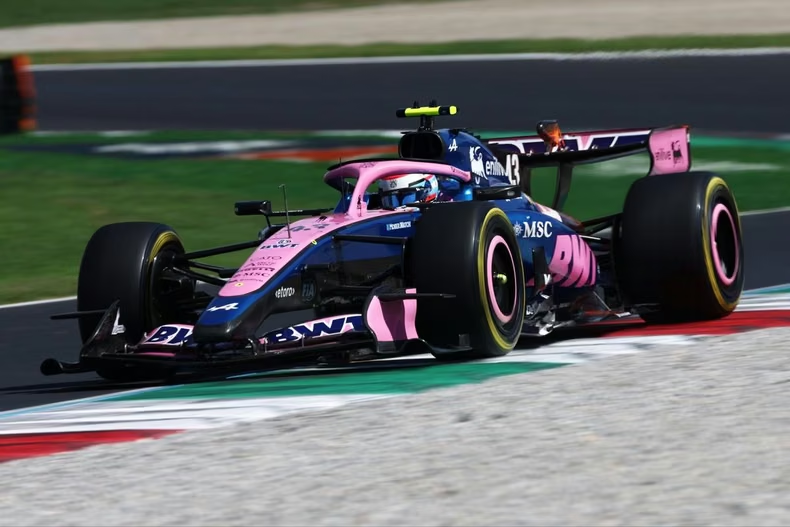
Colapinto arrives in Baku after finishing seventh for Alpine at the 2026 Spanish Grand Prix.
The challenge will be different.
The Baku City Circuit is a high-speed street track with long straights, heavy braking zones and very narrow sections. Alpine says the difference from Turn 16 to Turn 1 is around 2.2 kilometers, creating opportunities for overtaking.
The most famous section is the castle area. The track becomes extremely narrow there, with a minimum width of only 7.6 meters at Turn 8.
That leaves almost no room for mistakes.
Baku could create opportunities for Alpine
Street circuits can also produce unpredictable races. Close barriers, changing track position and strategy can quickly alter the order.
That is something Colapinto is aware of. His objective is not simply to repeat the seventh-place result from Madrid. Instead, he wants Alpine to be ready to capitalize if opportunities appear during the race.
The team is entering a particularly busy period. The Azerbaijan Grand Prix is the first race of a triple-header, adding another layer of pressure to preparation and execution.
Colapinto has already identified the key approach: carry Alpine’s recent performance into another demanding street circuit.
That means finding a good setup, qualifying strongly and staying out of trouble around the walls.
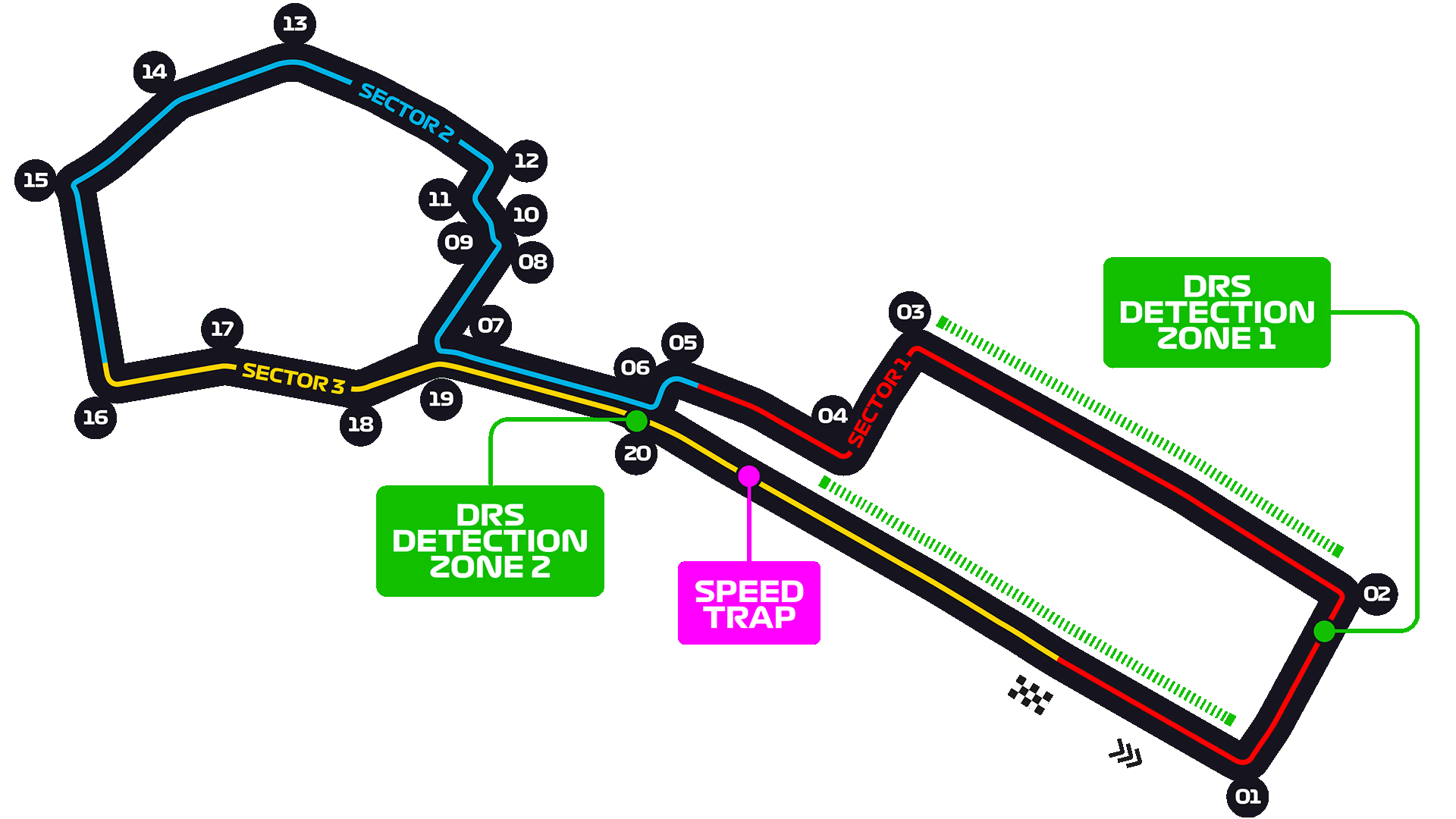
The Baku City Circuit combines long straights with the narrow castle section through the historic center of the city.
Pierre Gasly will also look to build on Alpine’s recent form. The Frenchman has a particularly strong Baku memory, having finished third at the circuit in 2021.
Gasly, however, also noted that the circuit has not always been particularly favorable to Alpine in recent seasons. The team’s target is therefore to establish a competitive setup early in the weekend and put both cars in a position to fight for points.
For Colapinto, Baku offers something more personal.
His 2024 result changed the perception around his rookie campaign. It was his first Q3 appearance and his first points finish, all in only his second Grand Prix.
Now he returns as an Alpine driver with a much larger body of Formula 1 experience behind him.
The Franco Colapinto Baku return therefore combines a meaningful memory with a current sporting objective. After taking seventh in Madrid, the Argentine wants another top-10 finish as Alpine continues its push for more championship points.
-
 NOW TRENDING2 months ago
Rolls-Royce’s $32 Million Droptail Took 9 Months of Handcrafted Woodwork
-

 NOW TRENDING4 weeks ago
Tesla Cybercab Gets September 3 Austin Launch Date
-

 INTELLIGENT MOBILITY2 months ago
GM Updates Infotainment System With Smarter Features
-
 NOW TRENDING2 months ago
2027 Audi Q9 and SQ9 Debut as Brand’s Largest SUVs
-
 NOW TRENDING2 months ago
2027 Hyundai Tucson Spied With New Design and Hybrid Power
-
 RACING2 months ago
Aston Martin Upgrades Deliver Alonso’s Best Qualifying of 2026
-
 INTELLIGENT MOBILITY2 months ago
Hyundai Opens UX Studio Shanghai to Drive Global Innovation
-
 NOW TRENDING2 months ago
Low-Mileage Audi S4 Avant Brings V8 Wagon Dream Back
You must be logged in to post a comment Login