
At 6.30 pm on 2 June 1910, aviation pioneer Charles Stewart Rolls took off alone in his flimsy biplane from Swingate aerodrome, near Dover, to achieve the world’s first non-stop double crossing of the English Channel by aeroplane.
He had been waiting in frustration for over a week, his departure repeatedly frustrated by high winds, fog or mechanical problems with the machine. But finally, conditions were perfectly calm and clear. Among the spectators on the cliffs were Rolls’ parents, Lord and Lady Llangattock, and his sister and brother-in-law, Sir John and Lady Shelley.
According to a report in the Daily Telegraph, Rolls reached an altitude of 900 feet and a speed of “quite forty miles an hour†as he approached the coast of France. By 7.15 pm, he was flying over the small French town of Sangatte, where the present-day Channel Tunnel emerges. Leaning out of his aeroplane, he threw overboard three weighted envelopes, each containing the message: ‘Greetings to the Auto Club of France…Dropped from a Wright aeroplane crossing from England to France. C. S. Rolls, June 1910. P.S. Vive l’Entente’’
He then turned northward and set a course for the English coast. At 8.00 pm, he was back in Dover where, the Daily Telegraph reported, “the sea front, cliffs and piers were thronged with people, all in the most intense state of excitement.†Rolls rewarded them in typically flamboyant style, by flying in circles around the outer towers of the town’s medieval castle. “I decided that, as I had plenty of petrol and my engines were working splendidly, I would encircle the Castle, although it would lengthen my flight considerably,†he told the Telegraph correspondent. The crowd loved it. This was more than mere entertainment: they knew they were present at a moment of history.
In an adventure lasting 95 minutes, Rolls had achieved two immortal landmarks. He had become both the first Englishman to fly an aeroplane across the English Channel, and the first aviator ever to fly non-stop from England to France and back again.
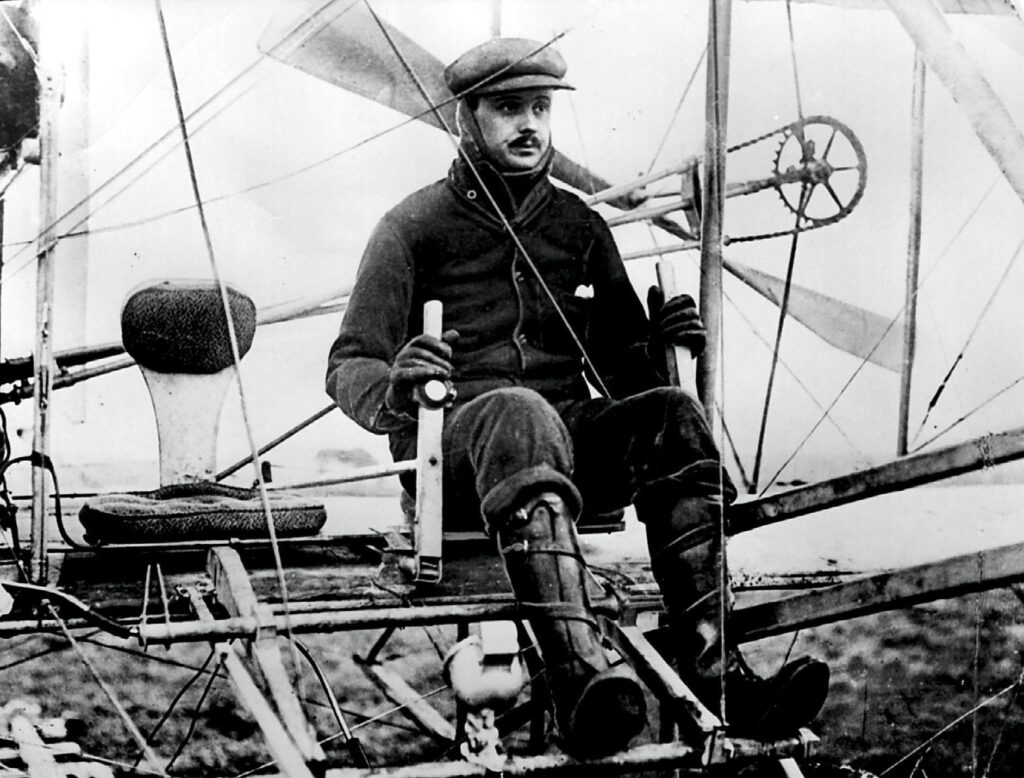
The flight caused a sensation and made Rolls an instant national celebrity. The recently-crowned King George V sent a personal telegram – “The Queen and I heartily congratulate you on your splendid Cross-Channel flight. George R.I.†The Aero Clubs of both England and France presented him with special awards. London’s famous Madame Tussauds even began making a waxwork of him. Flight Magazine, meanwhile, lauded his Corinthian spirit, loftily assuring its readers that Rolls had made the crossing not in the name of “merely winning souvenirs†and “without the smallest monetary inducement†– a claim that may have rankled somewhat with Rolls, who had spent almost a third of a million pounds (at today’s prices) of his own money on flying in the first half of 1910 alone. It was perhaps with this in mind that he wryly remarked: “It is the only time I have succeeded in taking ten gallons of fuel in and out of France without paying duty.â€
It is a sign of how quickly aviation and aeroplanes were developing that Rolls’ record-breaking flight came less than a year after Louis Blériot had stunned the world with the first powered flight from France to England in July 1909. Rolls made his double crossing in a Wright Flyer, designed by Wilbur and Orville Wright, who had recorded the world’s very first flight in a heavier-than-air machine just seven years earlier in 1903.
This timescale underlines the truly perilous nature of Rolls’ adventure. His aeroplane, built from wood and fabric braced with spars and wires, had a wingspan of just 12 metres (40 feet) and weighed only 457kg (1008lb) including the engine – about the same weight as a grand piano. The physical dangers of crossing the sea in so primitive a machine are obvious; it seems Rolls himself decided to attempt the return trip only when he was actually over Sangatte and reassured himself everything was working well.
His sole concessions to safety were a lifejacket for himself, and four large buoyancy bags filled with compressed air lashed to the machine’s undercarriage. The Daily Telegraphnoted laconically: “Happily, there was no need to test their efficacy.â€
But Rolls was as experienced as he was daring. His flying career spanned what was then virtually the entire history of aviation. Born in 1877, Rolls had been fascinated by engines since his schooldays – he went on to earn a degree in Mechanical & Applied Science from Trinity College, Cambridge – and was captivated by flying from its inception. He was a founding member of the Royal Aero Club, initially as a balloonist, making over 170 flights and winning the Gordon Bennett Gold Medal in 1903 for the longest sustained time aloft. In the spring of 1909, when the Wright brothers came to England from America as guests of the Royal Aero Club, Rolls acted as their official host. A year later, he became only the second person in Britain to be awarded an aeroplane pilot’s licence.
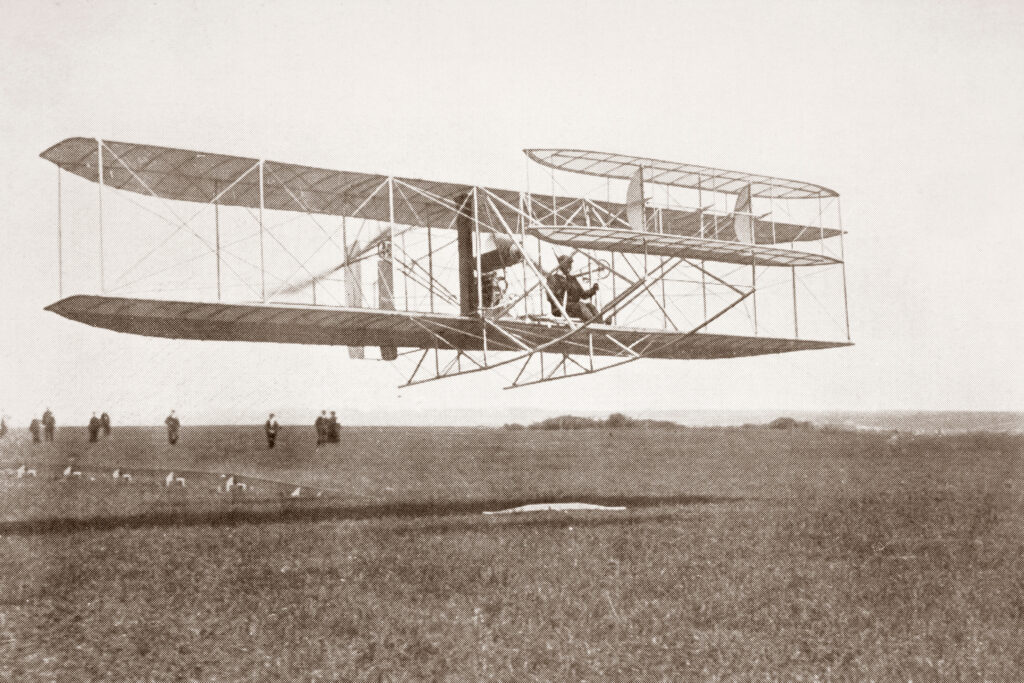
After their historic first meeting in 1904, Rolls tried to persuade Henry Royce to build an aeroplane. He failed – one can only speculate as to what marvels might have resulted had he succeeded – but undeterred, Rolls bought a Wright Flyer in which he made more than 200 flights.
Tragically, it was in such a machine that Rolls met his death just a month after his cross-Channel feat. On 12 July 1910, during a competition at Bournemouth, the tail-piece broke off and the aircraft plunged to the ground from a height of 100 feet, crashing close to the crowded grandstand in a tangle of spars and canvas. Rolls sustained a fractured skull and was pronounced dead at the scene; he was only the twelfth person in history to be killed in a flying accident, and the first Briton to lose his life in a powered aircraft. He was just a few weeks short of his 33rd birthday.
Although Rolls is vastly more famous today for his automotive achievements, his contribution to aviation was immense and important. In April 1912, a statue commemorating his double Channel crossing was erected in Guilford Gardens on Dover’s seafront; it now stands in Marine Parade Gardens, where it was rededicated on 2 June 1995 by the then Chairman of the Rolls-Royce Heritage Trust.
Torsten Müller-Ötvös, Chief Executive Officer, Rolls-Royce Motor Cars, said, “Charles Rolls combined a fine technical mind with a bold, adventurous spirit; it is no wonder that aviation and motoring held such powerful, almost magical attractions for him. He was a true pioneer in both fields, instrumental in the development of aeroplanes and motor cars with his record-breaking feats.â€
He added: “Rolls challenged the limits of what was believed possible and, as his cross-Channel flight demonstrated, dared to venture beyond them. In so doing, he took technology and human ambition into wholly new territory. That he achieved so much in so short a life is extraordinary and inspiring. His imagination and courage are still very much alive in our company more than a century later.â€
And he concludes, “It seems particularly appropriate to remember his remarkable flight this year. Apart from the historical significance of the 110th anniversary, it comes at a time when we still face severe restrictions on our freedom to travel and explore. It encourages us to keep looking outwards, over the horizon, and dreaming of adventures we’ll take in the future – a reminder that anything is possible.â€





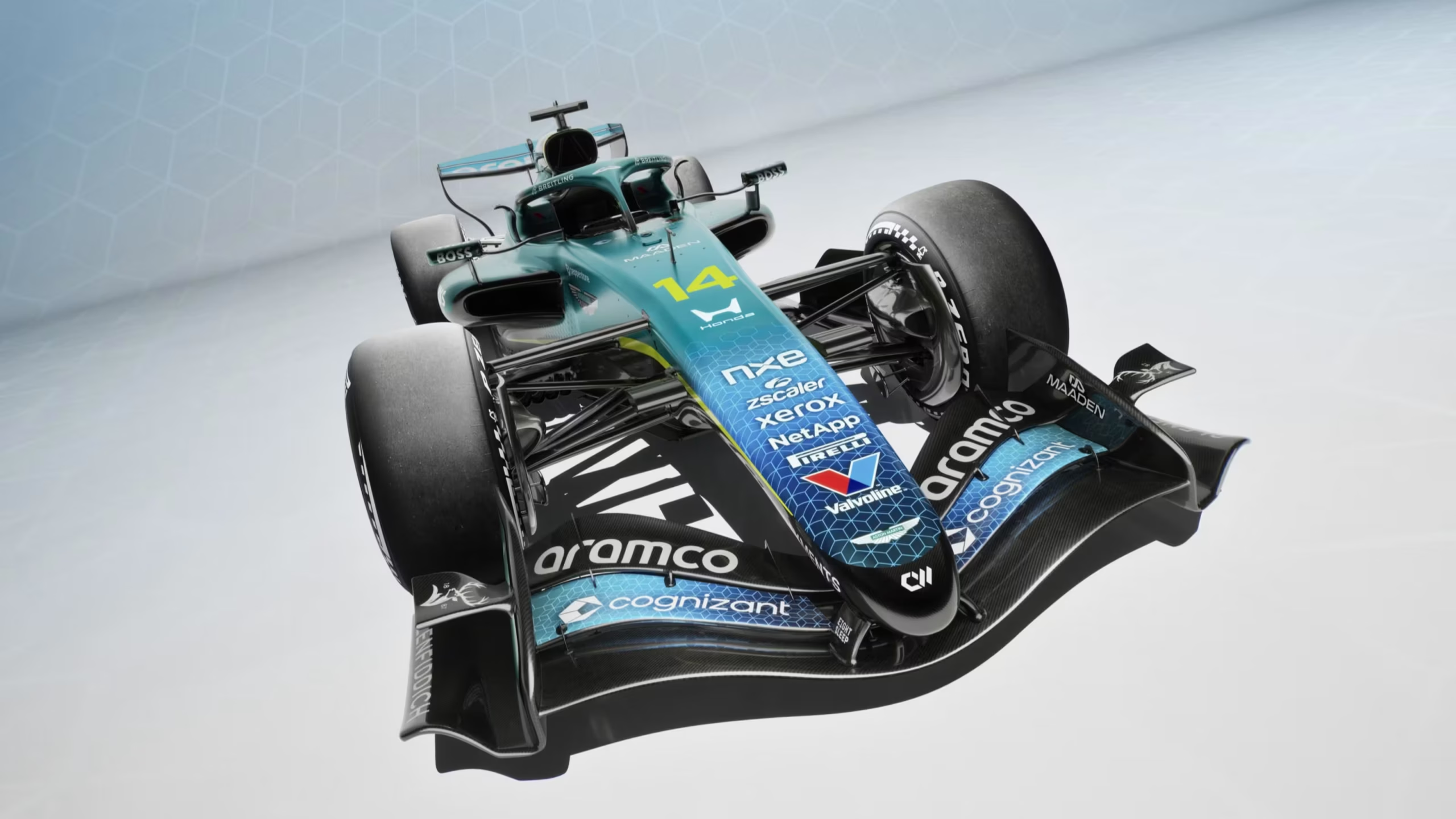
Aston Martin will showcase a special AMR26 livery at the United States Grand Prix, celebrating five years of its partnership with Cognizant.
Aston Martin is preparing a special appearance for the 2026 United States Grand Prix in Austin, where its AMR26 will mark five years of collaboration with Cognizant. The partnership began in 2021 and remains part of the team’s identity in Formula One.
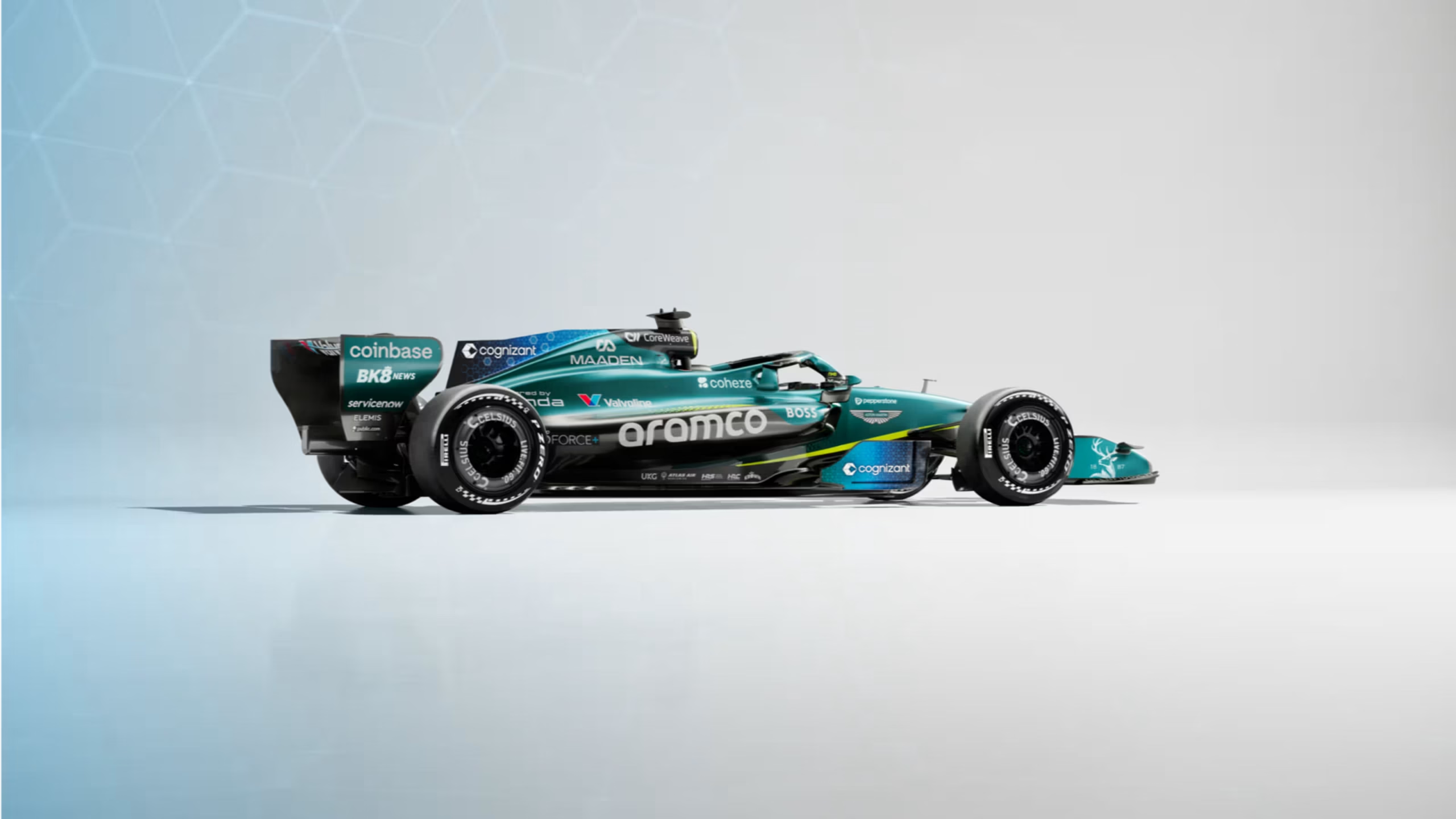
The AMR26 will carry a special design for the United States Grand Prix weekend.
Aston Martin Marks Five Years With Cognizant
The Austin Grand Prix provides the setting for Aston Martin to recognize the milestone. Since the partnership began in 2021, Cognizant has maintained a prominent association with the team’s Formula One program.
The anniversary also comes as the relationship expands into new areas of technology. Earlier in 2026, Cognizant became Aston Martin’s Global AI Services Partner, strengthening the technological dimension of the collaboration.
Technology and Formula One
Modern Formula One relies on data analysis, software and advanced computing to support decisions throughout a race weekend. Teams use these tools to evaluate performance, develop strategies and improve their operations.
Aston Martin’s expanded relationship with Cognizant reflects the growing role of artificial intelligence and digital technology in motorsport. However, the partnership’s announcement alone does not establish a specific performance gain for the AMR26.
Data analysis and digital tools are important parts of modern Formula One operations.
Austin Provides the Backdrop
The United States Grand Prix gives Aston Martin an opportunity to highlight the anniversary in front of American fans. The special livery will bring the partnership into focus during the Austin race weekend.
The design also connects the team’s on-track presence with a collaboration that has evolved since 2021. With Cognizant’s expanded role in artificial intelligence, the anniversary reflects both the history of the relationship and its continuing technological focus.
Aston Martin’s special AMR26 appearance will be one of the team’s key visual elements at the United States Grand Prix. Further details about the livery’s specific design features should be confirmed through the team’s official announcement.
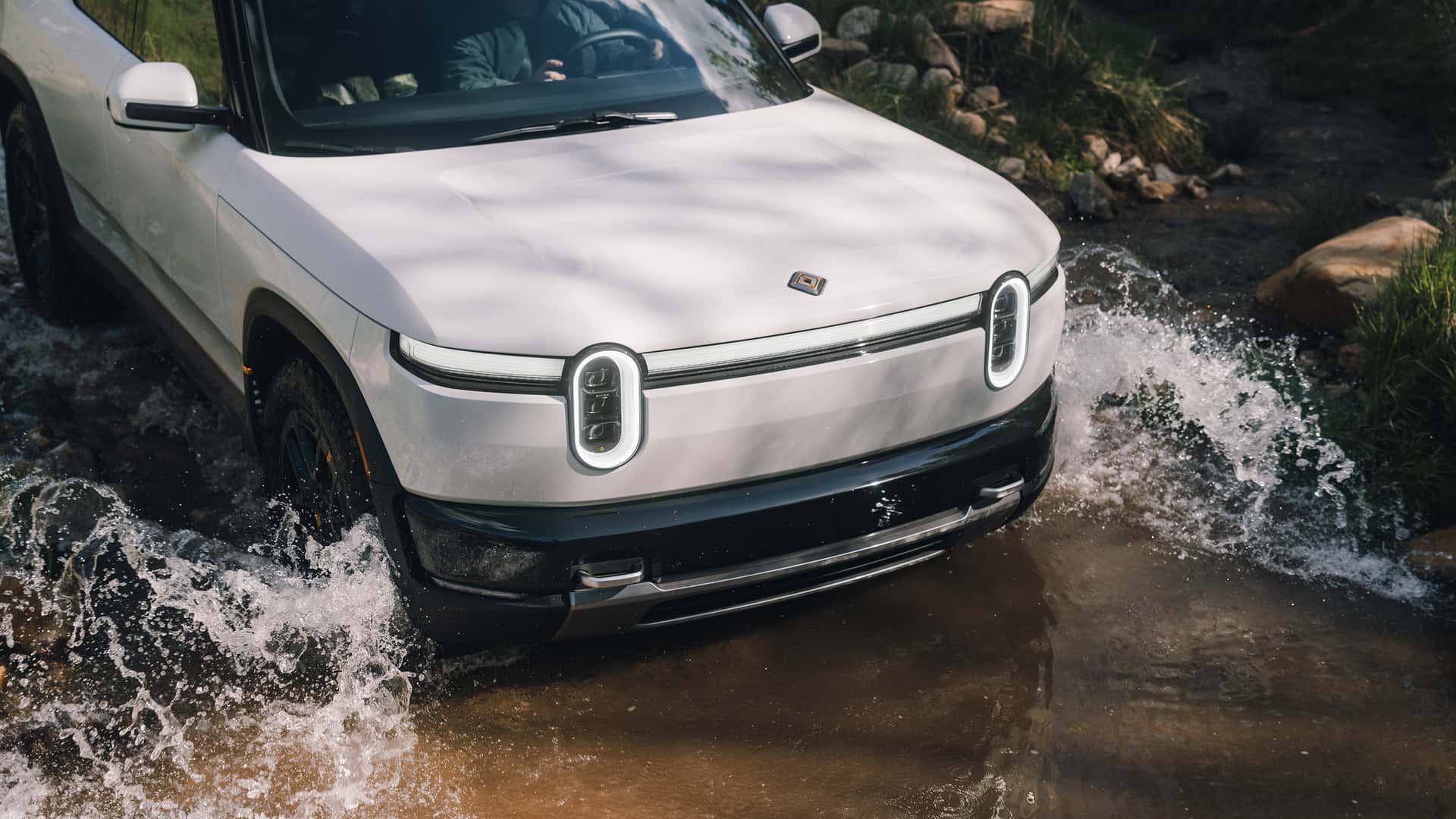
The automaker is inviting select R1 and R2 owners to try a new route-based driving assistant before a wider U.S. rollout.
Rivian is preparing to expand its driver-assistance technology with Point to Point, a system designed to handle more of a journey than conventional hands-free highway assistance. The first phase will be limited to selected customers, with a broader rollout planned for 2027.

Rivian is starting its latest driving technology program with eligible owners of newer R1 models and the R2.
From Highway Assistance to Full Routes
Point to Point builds on Rivian’s existing Universal Hands-Free system. It is designed to follow a planned route, including turns, highway merges and surface streets, while the driver remains responsible for supervising the vehicle.
The technology combines the vehicle’s sensors and cameras with Rivian’s Large Driving Model, which interprets surrounding conditions and helps determine how the vehicle should respond.
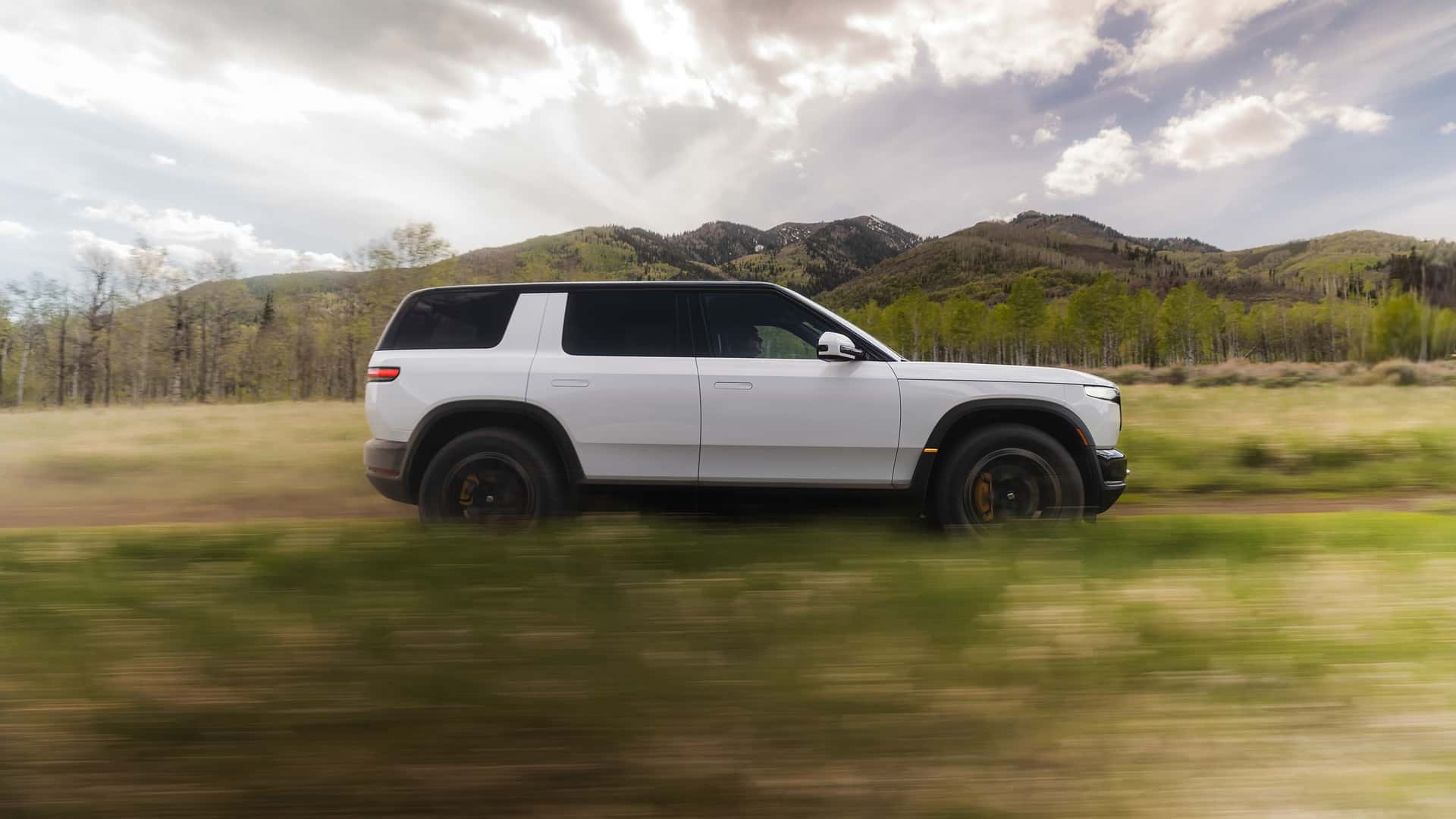
Point to Point aims to manage more of a planned journey while requiring the driver to remain attentive.
Who Can Join the Early Access Program?
The initial program targets eligible Gen 2 R1 and R2 owners in California and Florida. Applicants must have an active paid Autonomy+ subscription; free trials do not qualify.
Rivian will consider existing use of its driver-assistance features, recent safety records and a balance of vehicle models and regions when selecting participants. Owners can register their interest through the Autonomy Early Access tile in their Rivian account.
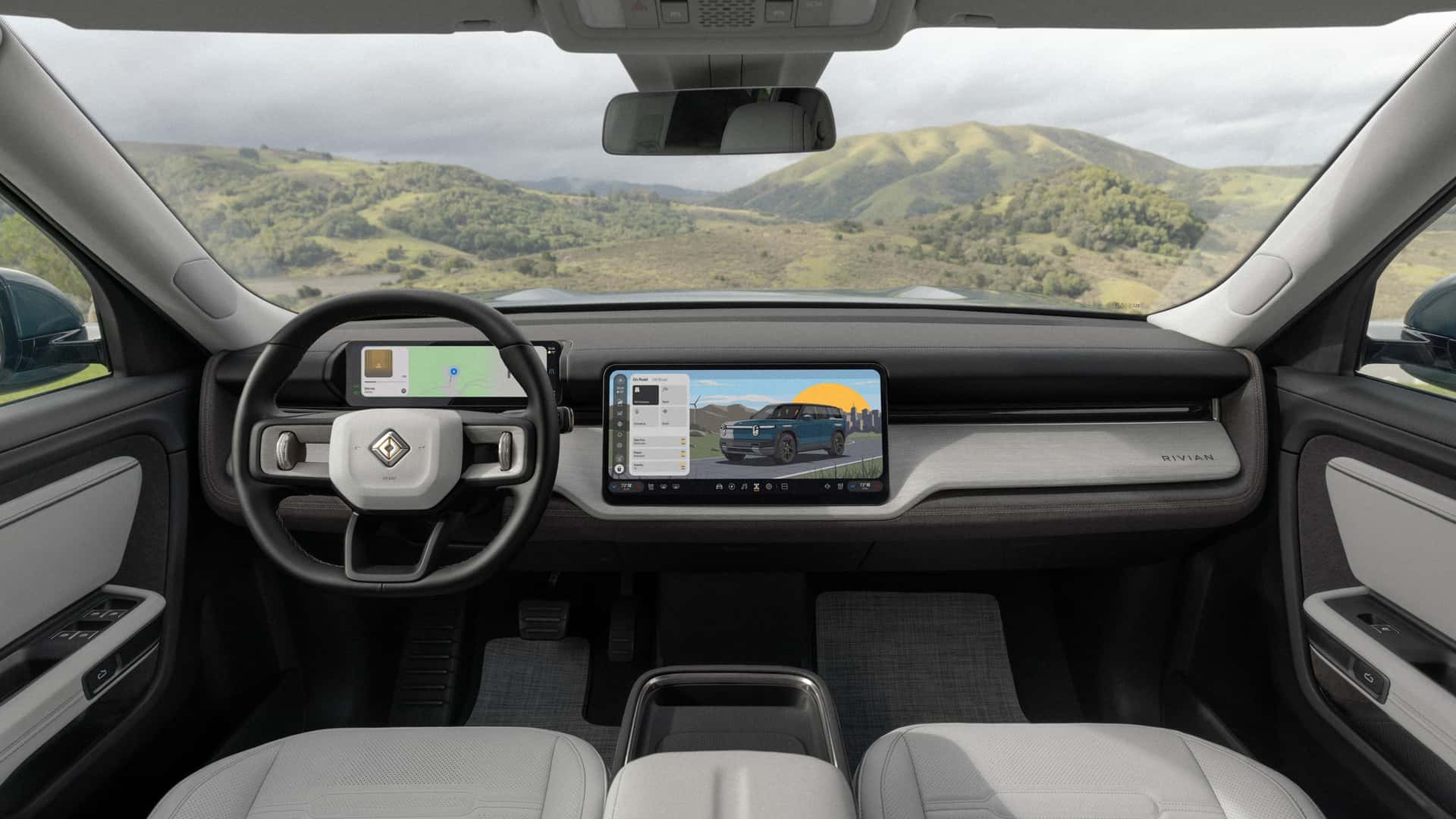
Eligible owners can register their interest through their Rivian account.
Testing Comes With Conditions
Selected participants must use the preview features weekly, report issues and complete monthly surveys. They must also agree to data collection that includes location and camera data, under a non-disclosure agreement.
The program is unpaid, and Rivian can reassess participants’ eligibility every 30 days. First-generation R1 vehicles and Canadian owners are excluded from the initial phase.
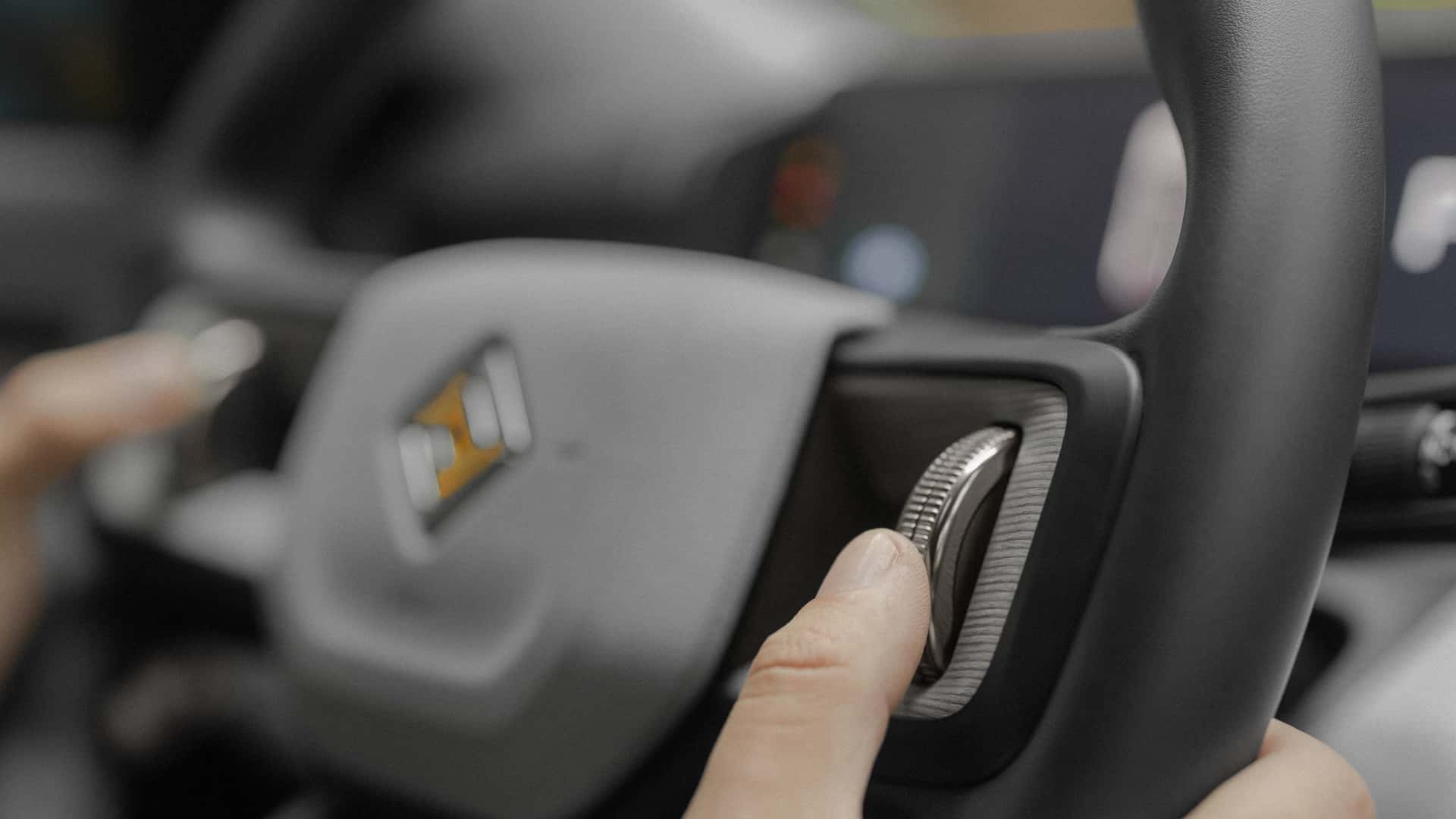
Camera and sensor data are part of the technology Rivian is developing and evaluating.
A Wider Rollout Is Planned for 2027
Rivian expects Point to Point to reach a broader group of Autonomy+ customers in 2027, following the early-access phase. Feedback from interested owners outside California and Florida may also help inform which states are considered for expansion.
The R2 is among the vehicles targeted for the initial program, with wider availability expected to follow.
Point to Point remains a Level 2 driver-assistance system, not fully autonomous driving. Drivers must stay attentive and be ready to take control at all times.
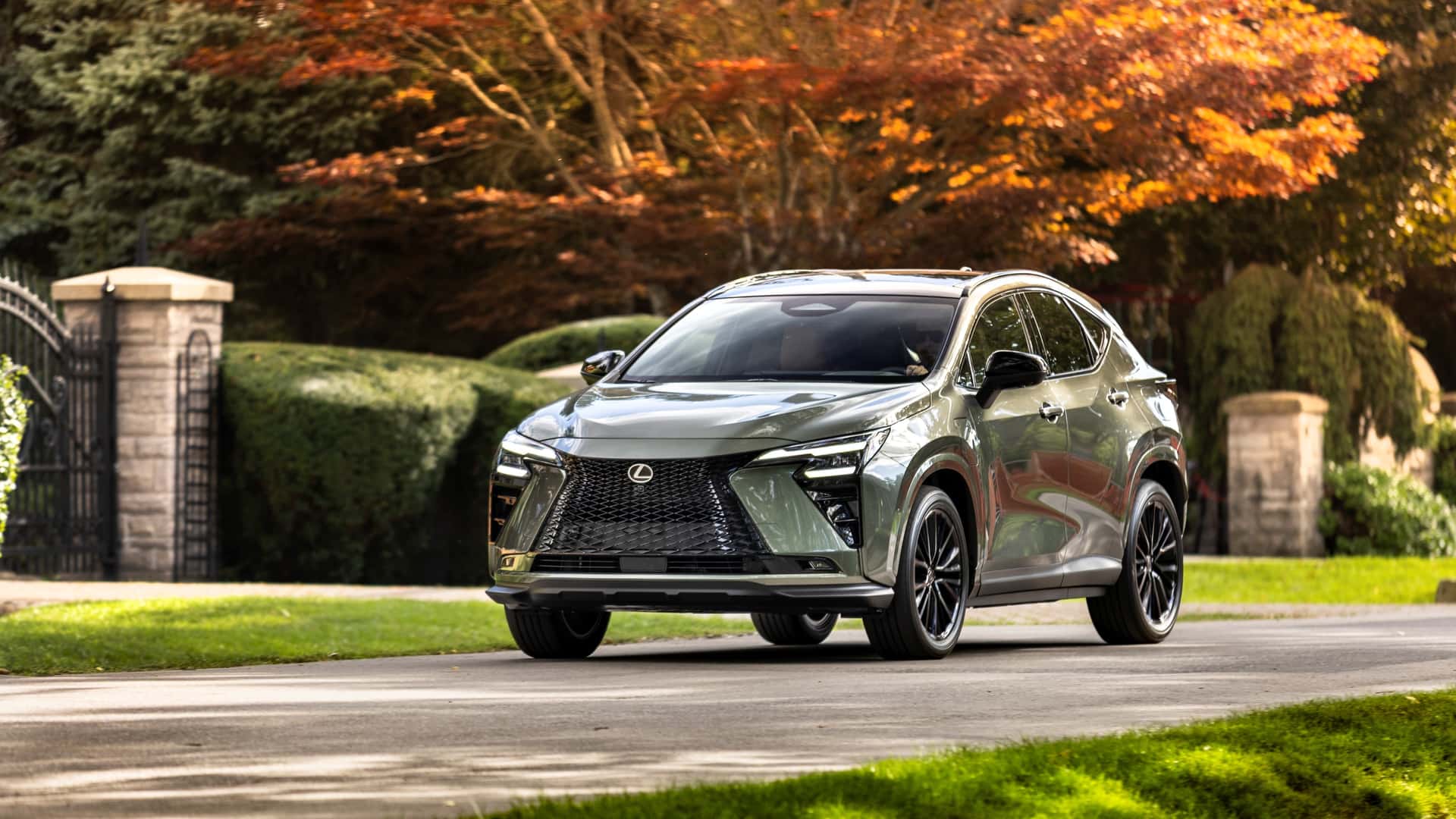
Lexus transforms its NX lineup for 2027 with more power, a redesigned cabin and an all-hybrid range.
The 2027 Lexus NX enters a new chapter as the luxury crossover drops its gasoline-only version. Buyers can now choose between the NX 350h hybrid and the NX 450h+ plug-in hybrid, with four trim levels and updated technology across the lineup.
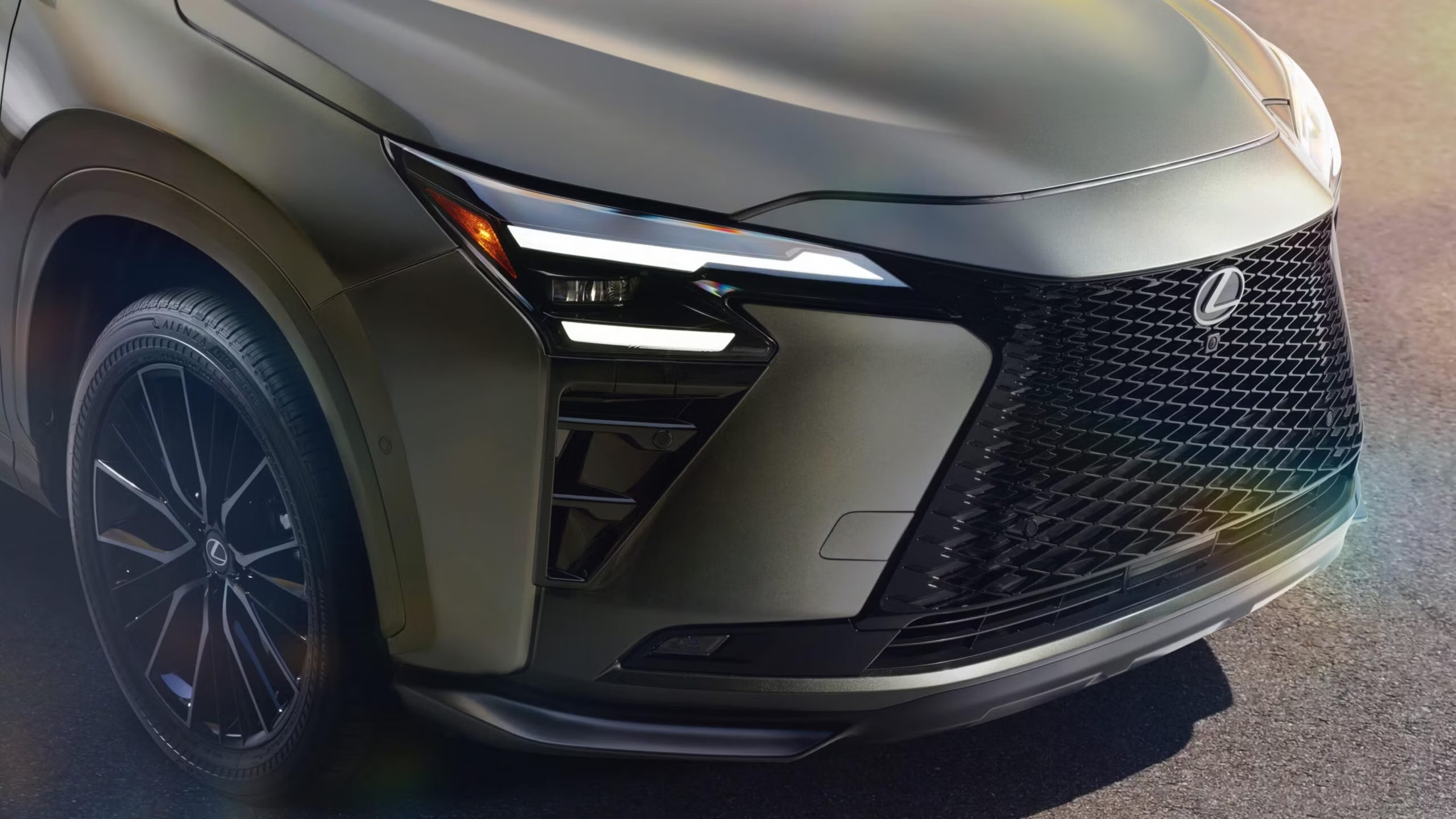
The 2027 Lexus NX adopts a sharper design with a new headlight signature and cleaner exterior details.
More Power Across the Hybrid Range
The NX 350h now delivers 244 horsepower, a 4-hp increase over the previous model. The NX 450h+ plug-in hybrid makes 324 horsepower, up from 304 hp, and offers an estimated 40 miles of electric-only range.
Both versions benefit from a revised e-Axle system and updated power electronics designed to improve efficiency and reduce weight.
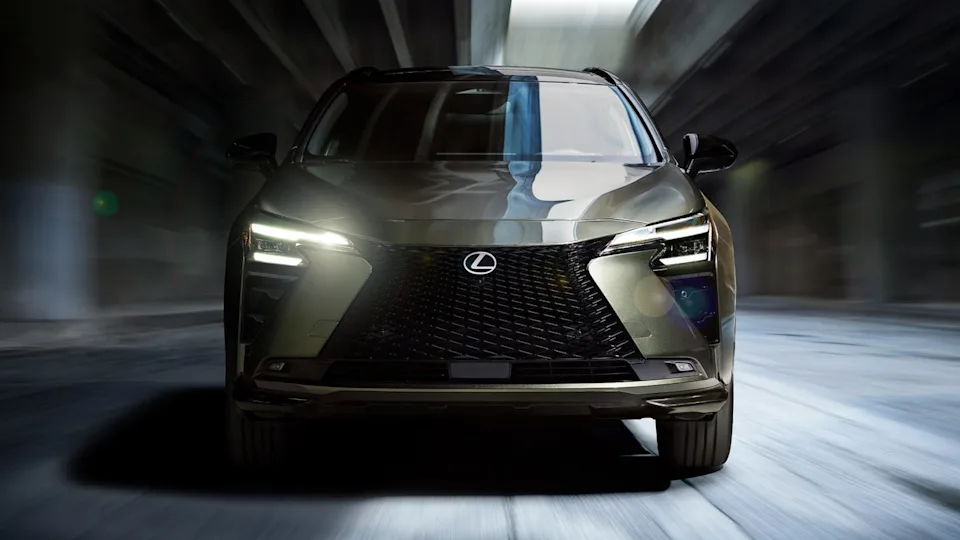
The NX 350h combines a 244-hp hybrid powertrain with a choice of front-wheel or all-wheel drive, depending on trim.
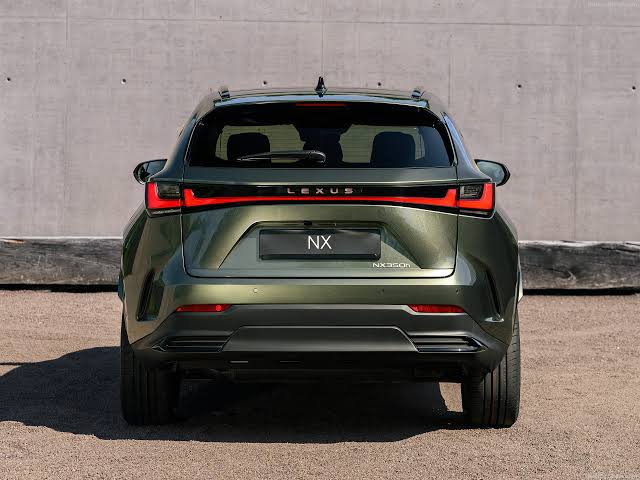
Updated rear lighting and a distinctive illuminated badge give the redesigned NX a more recognizable appearance.
A More Digital Cabin
Inside, every 2027 NX features a 14-inch central touchscreen and a 12.3-inch digital instrument cluster. Lexus Interface adds a customizable home screen, dual Bluetooth phone connectivity, a built-in drive recorder and standard over-the-air updates.
The Luxury and F Sport grades also offer Sensory Concierge, which coordinates cabin lighting, climate, seat temperature and fragrance through three selectable modes.
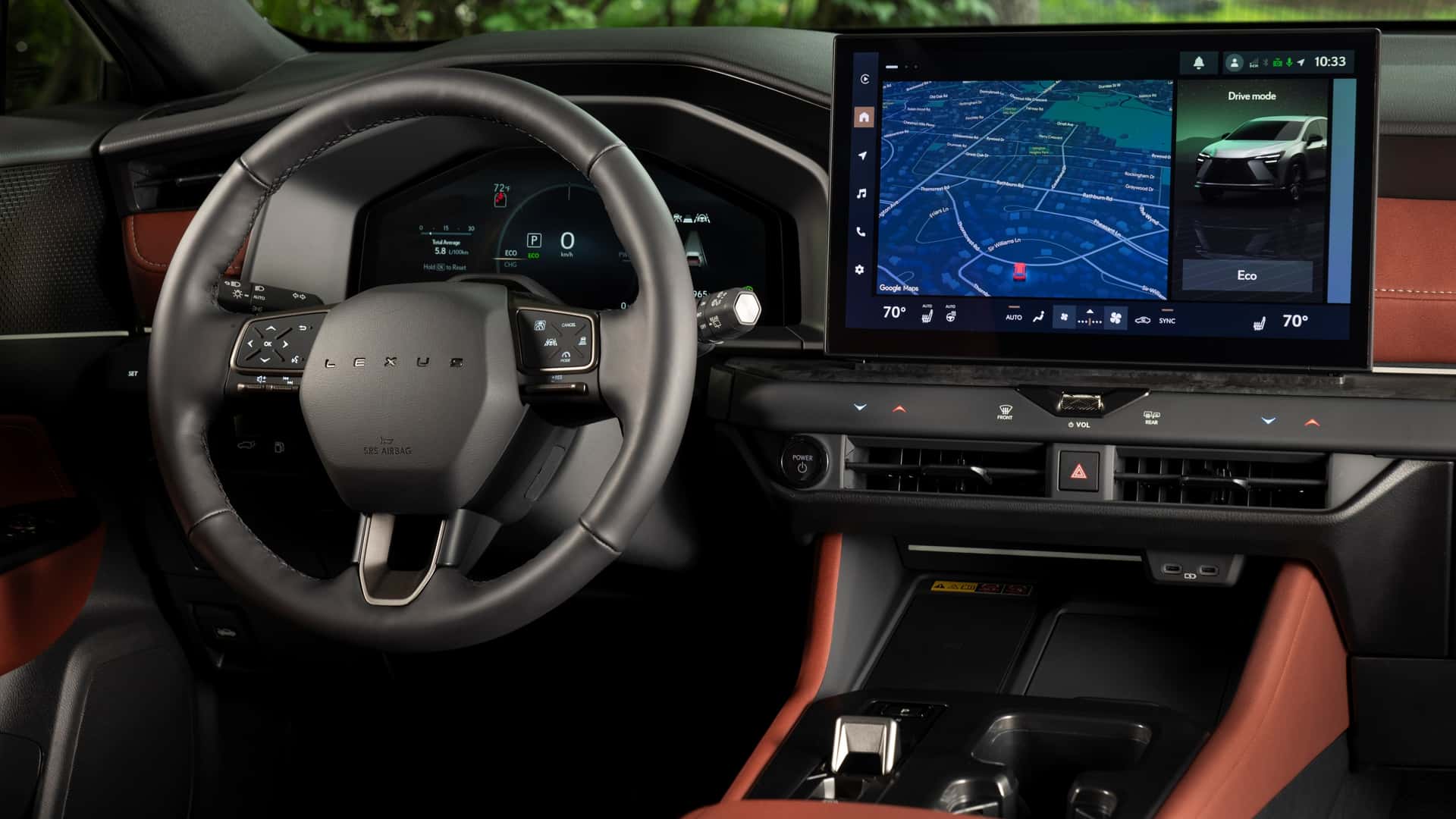
The updated interior makes a larger touchscreen and digital instrumentation standard across the lineup.
Four Grades and Expanded Driver Assistance
The 2027 Lexus NX lineup consists of Premium, Premium+, F Sport and Luxury. The NX 350h offers front-wheel or all-wheel drive on selected grades, while the NX 450h+ comes with all-wheel drive.
Lexus Safety System+ 4.0 is standard, bringing adaptive cruise control, automatic emergency braking with pedestrian detection, intersection assistance and emergency steering support.
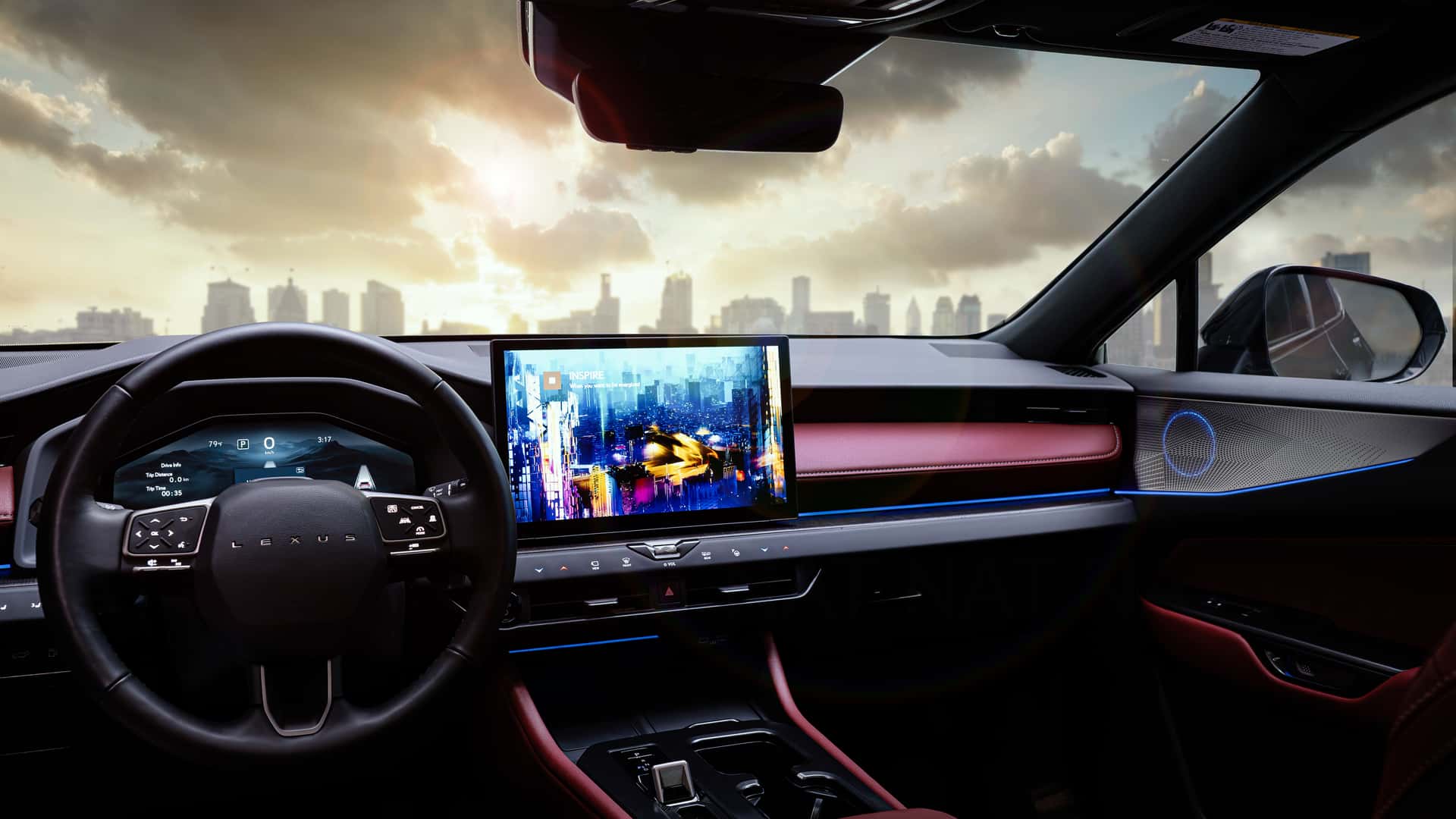
The 2027 NX combines its updated hybrid powertrains with standard driver-assistance technology.
Lexus has not yet announced pricing for the refreshed NX. Final prices for all four grades are expected closer to the model’s on-sale date.
-
 NOW TRENDING2 months ago
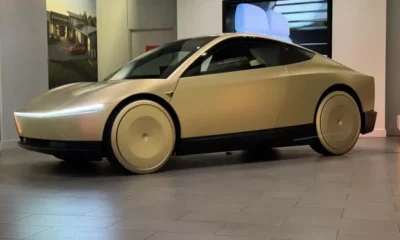
Tesla Cybercab Gets September 3 Austin Launch Date
-
 TEST DRIVES2 months ago
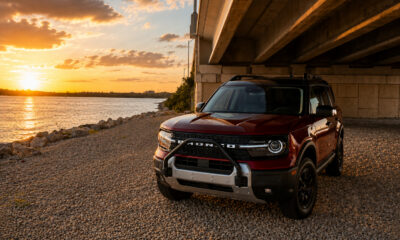
2025 Ford Bronco Sport Badlands: The Adventure SUV You Can Drive Every Day
-

 TEST DRIVES2 months ago
2026 Toyota GR Supra MkV Final Edition
-
 NOW TRENDING1 month ago
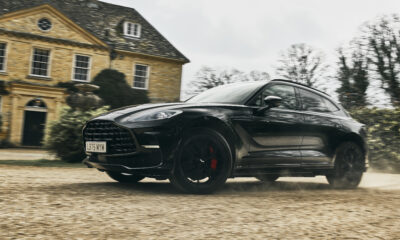
Aston Martin DBX Becomes Harry Da Souza’s Ride in MobLand
-
 NOW TRENDING2 months ago
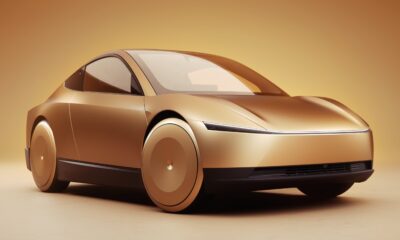
Tesla Cybercab Puts U.S. Regulations to the Test
-
 Formula12 months ago
FIA Reveals Second ADUO Results With Red Bull-Ford Still on Top
-
 NOW TRENDING2 months ago
2027 Hyundai Tucson Hybrid Gets a Power Boost
-
 NOW TRENDING2 months ago
Hyundai Reports Strong Hybrid Sales in August 2026
You must be logged in to post a comment Login