
RACING
Charles Leclerc Surprised by Ferrari’s Turnaround in Austrian GP Qualifying

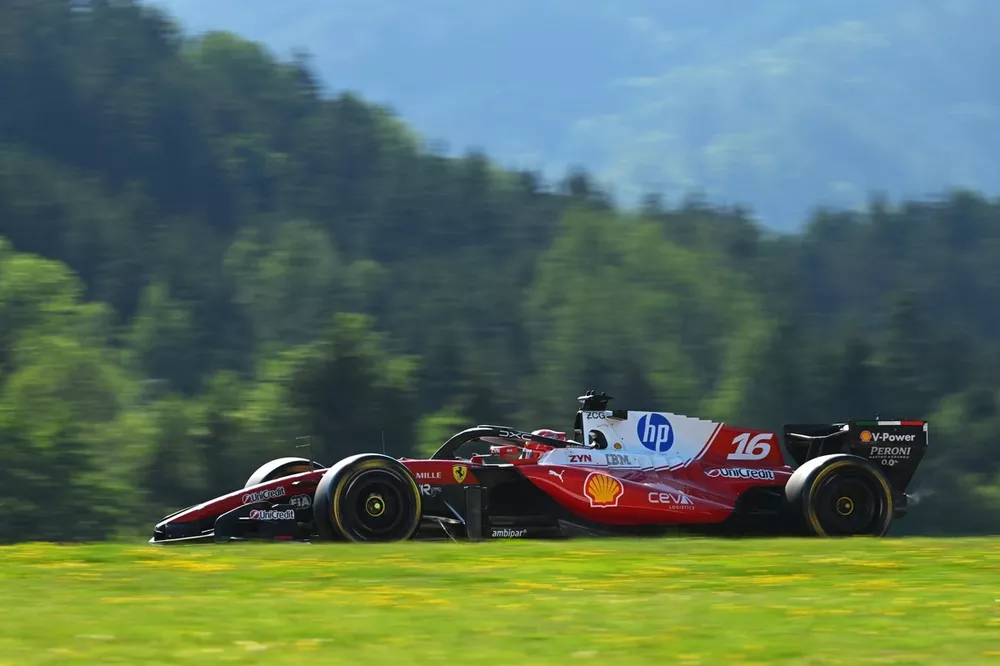
The Charles Leclerc Austrian GP weekend took an unexpected turn after Ferrari transformed its performance overnight, allowing Leclerc to secure a front-row starting position for Sunday’s race.
The Charles Leclerc Austrian GP qualifying session delivered one of Ferrari’s strongest performances of the weekend after the team struggled to find pace during Friday’s practice sessions. Overnight setup changes helped unlock additional performance, allowing Leclerc to challenge near the front of the grid.
The improved balance gave Ferrari a significant boost compared with its earlier pace and placed the team in a much stronger position heading into race day.
Charles Leclerc Austrian GP turnaround surprised Ferrari
Ferrari entered qualifying with modest expectations after experiencing balance issues throughout Friday. The team worked extensively overnight to refine the setup, making several adjustments that produced immediate improvements.
Leclerc admitted the progress exceeded expectations, particularly after the difficulties experienced during practice. The stronger pace allowed Ferrari to move closer to the front-running teams than initially anticipated.
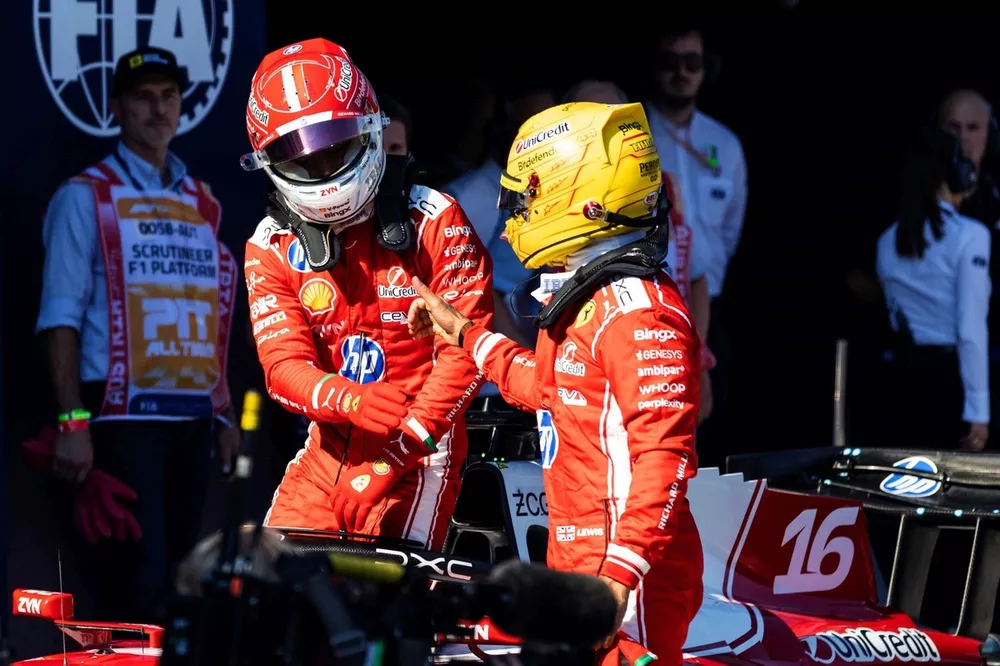
Charles Leclerc qualified on the front row after Ferrari made significant overnight improvements.
Charles Leclerc Austrian GP performance reflects setup improvements
Rather than relying on major technical changes, Ferrari focused on a series of smaller adjustments across multiple areas of the car. Together, those refinements improved stability and overall confidence during qualifying.
Although Leclerc acknowledged that the car still did not feel perfect in every corner, the revised setup allowed him to attack more consistently throughout the session.
Ferrari’s engineers also benefited from extensive data analysis, helping the team better understand the updated package introduced during the weekend.
Charles Leclerc Austrian GP focus shifts to race day
Despite the encouraging qualifying result, Ferrari expects a demanding race against the championship’s leading teams. Maintaining tire performance, race pace and consistency over a full Grand Prix distance will remain critical factors.
Leclerc believes the team has taken an important step forward, but recognizes there is still work to do before Ferrari can consistently challenge for victories.
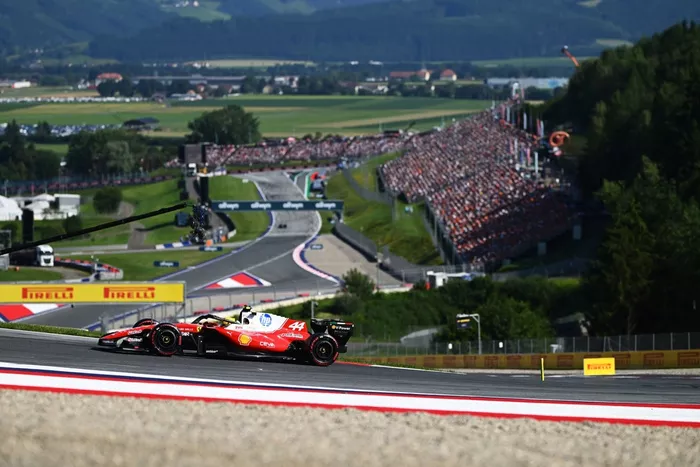
Ferrari hopes its improved qualifying pace can translate into a strong race performance.
Charles Leclerc Austrian GP result boosts Ferrari’s confidence
The strong qualifying performance provides Ferrari with renewed optimism as the team continues refining its latest upgrades. Recovering from a difficult Friday demonstrates the effectiveness of the team’s overnight preparation and engineering work.
With the championship entering another crucial phase, every improvement becomes increasingly valuable in the battle for podium finishes and championship points.
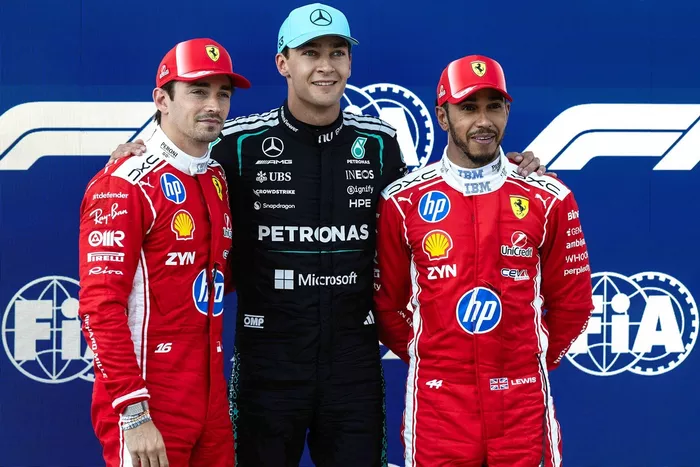
Ferrari continues evaluating its latest developments as the Formula 1 season progresses.
Ferrari now turns its attention to converting its qualifying speed into race performance. The team will continue evaluating the updated package throughout the Grand Prix while collecting additional data that could benefit upcoming races.
A competitive result in Austria would further reinforce Ferrari’s recent progress and provide valuable momentum as the Formula 1 season moves toward the next round.
Charles Leclerc Austrian GP marks an encouraging step for Ferrari
The Charles Leclerc Austrian GP weekend demonstrated how quickly Formula 1 performance can change through careful preparation and precise setup work. Ferrari responded effectively after a challenging start and transformed its competitiveness before qualifying.
While further improvements remain necessary, the team’s recovery offers encouraging signs that Ferrari is moving in the right direction as it continues developing the SF-26 throughout the season.


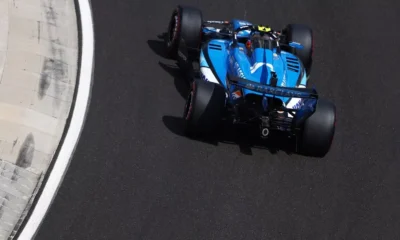




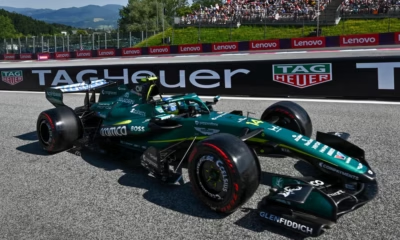

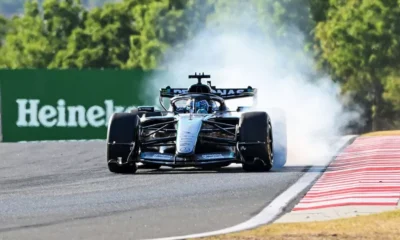

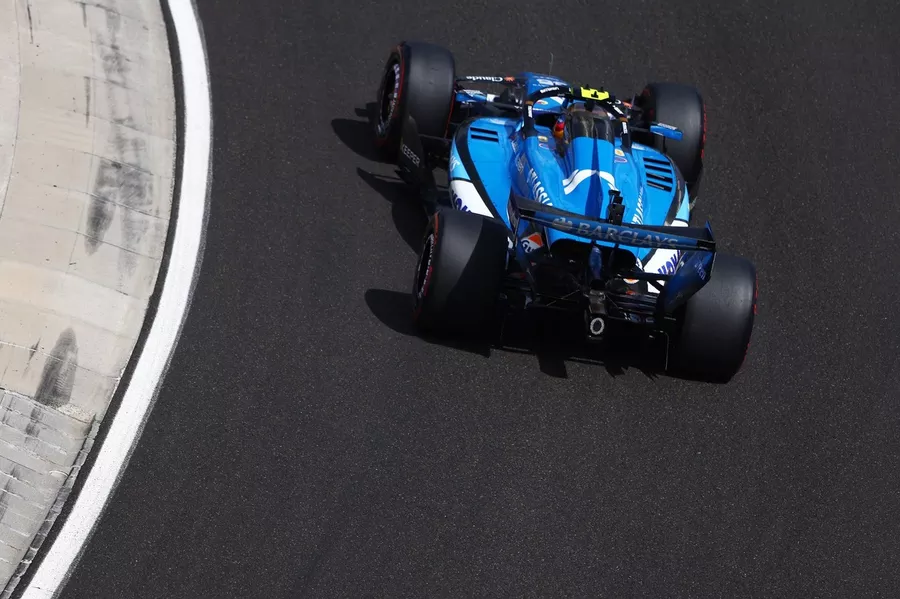
Formula 1 stewards explained why Carlos Sainz avoided the standard 10-second penalty after colliding with Oscar Piastri during the Hungarian Grand Prix.
The Carlos Sainz penalty became one of the biggest talking points following the Hungarian Grand Prix. Although the Williams driver was found responsible for colliding with Oscar Piastri while being lapped, Formula 1 stewards opted to impose a five-second penalty instead of the usual 10 seconds.
Moreover, officials pointed to a specific mitigating circumstance that reduced Sainz’s level of responsibility.
Stewards Identified Limited Visibility
The incident occurred on lap 38 as Piastri attempted to lap Sainz approaching Turn 3.
Although Sainz had already been informed that the McLaren driver was approaching under blue flags, the stewards concluded that Piastri was not visible in the Spaniard’s mirrors immediately before the contact. Therefore, they determined that the lack of visibility played a significant role in the collision.
Furthermore, Sainz was simultaneously battling Fernando Alonso, adding to the complexity of the situation.
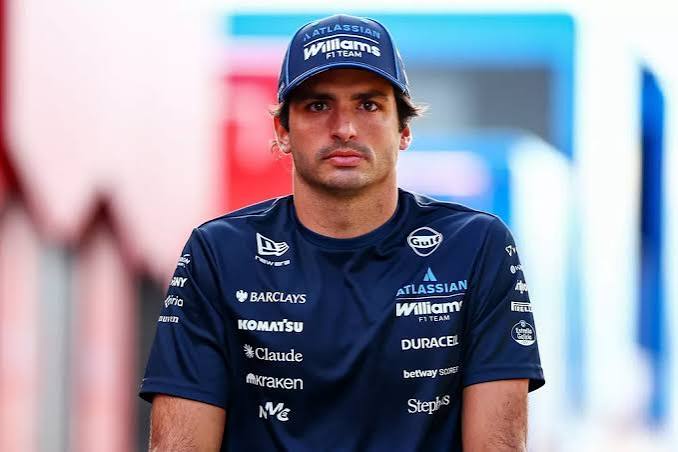
Carlos Sainz received a five-second penalty after colliding with Oscar Piastri at the Hungarian Grand Prix.
Why the Standard Penalty Was Reduced
Formula 1 regulations typically impose a 10-second penalty for causing a collision.
However, after reviewing the available evidence, the stewards ruled that Sainz’s restricted visibility justified a lighter punishment. As a result, they reduced the sanction to five seconds instead of applying the standard penalty.
The decision acknowledged that, while Sainz remained responsible for the contact, the circumstances lessened the severity of his mistake.
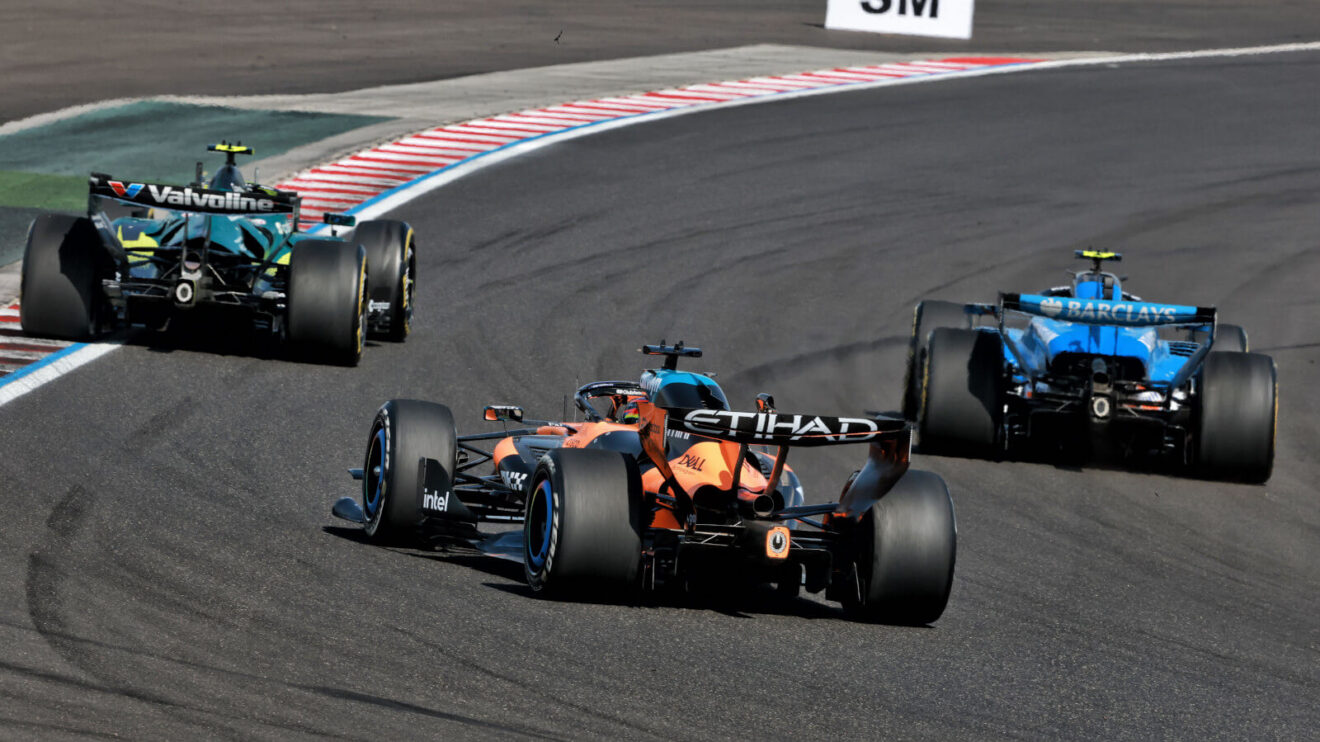
Stewards considered limited visibility a mitigating factor in the incident.
The Incident Changed the Race
Despite avoiding major damage in the collision, Piastri’s race was affected.
The McLaren driver eventually lost the race lead before later retiring because of a mechanical issue. Meanwhile, Sainz finished 18th, two laps behind race winner Lando Norris.
Consequently, the incident became one of the most discussed steward decisions of the Hungarian Grand Prix weekend.
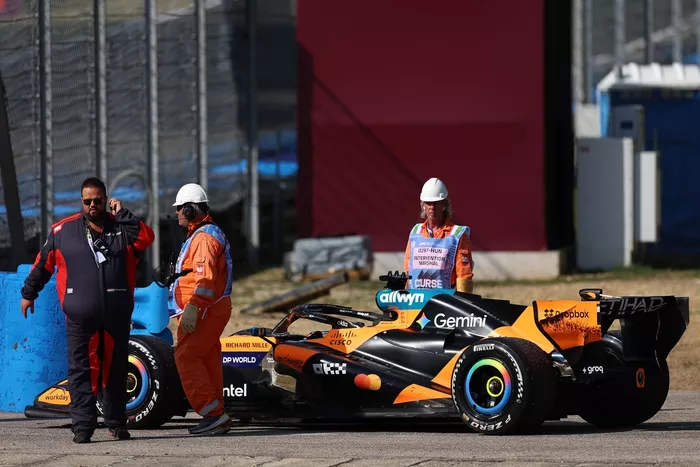
Oscar Piastri continued after the contact but later retired with a mechanical problem.
Carlos Sainz Penalty Highlights Steward Discretion
The Carlos Sainz penalty demonstrates how Formula 1 stewards can consider mitigating circumstances when evaluating on-track incidents.
Overall, while Sainz was held responsible for the collision with Piastri, the officials concluded that limited visibility justified reducing the standard punishment, leading to a five-second penalty instead of the usual 10 seconds.
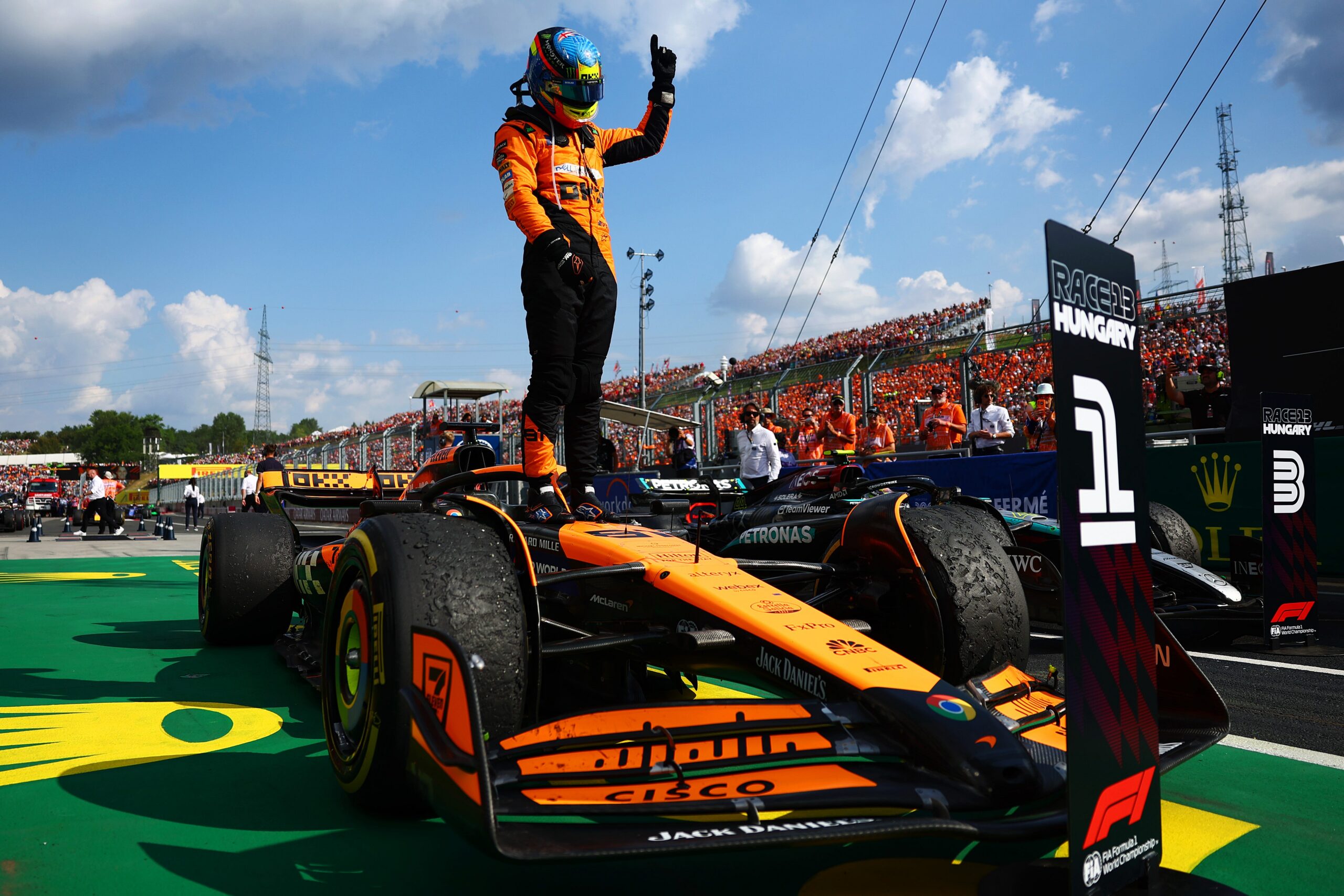
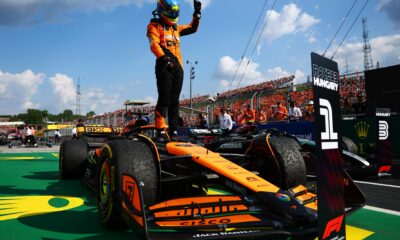
Lando Norris praised McLaren’s latest upgrades after winning the Hungarian Grand Prix, saying the team now has the pace and confidence to fight for more victories in Formula 1.
Lando Norris McLaren confidence is at its highest point of the season following victory at the Hungarian Grand Prix. After returning to the top step of the podium, the British driver praised the team’s latest upgrades and said the car now has the pace needed to continue fighting for wins.
Moreover, Norris described his race pace as one of the strongest performances of his Formula 1 career.
A Fast Recovery After a Difficult Opening Lap
Norris did not enjoy the ideal start to the race.
He lost the lead to teammate Oscar Piastri during the opening lap after struggling with rear grip. However, he refused to give up and pushed hard throughout the first stint, believing the McLaren had enough speed to recover the position.
As a result, his consistent pace kept him within striking distance of the race leader.
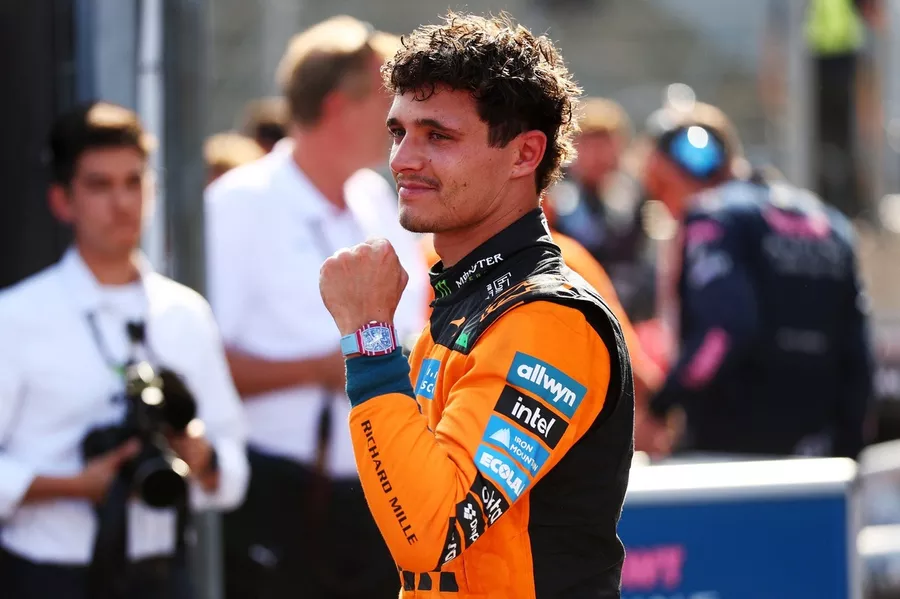
Lando Norris recovered after a difficult opening lap to win the Hungarian Grand Prix.
McLaren’s New Upgrades Made the Difference
The latest McLaren upgrade package played a major role in the victory.
According to Norris, the car delivered exceptional balance and confidence throughout the race. Therefore, the team was able to extend its stints and execute a successful overcut strategy that ultimately secured the win.
Furthermore, Norris believes the improvements could allow McLaren to remain competitive at upcoming Formula 1 races, even if some circuits prove more challenging.
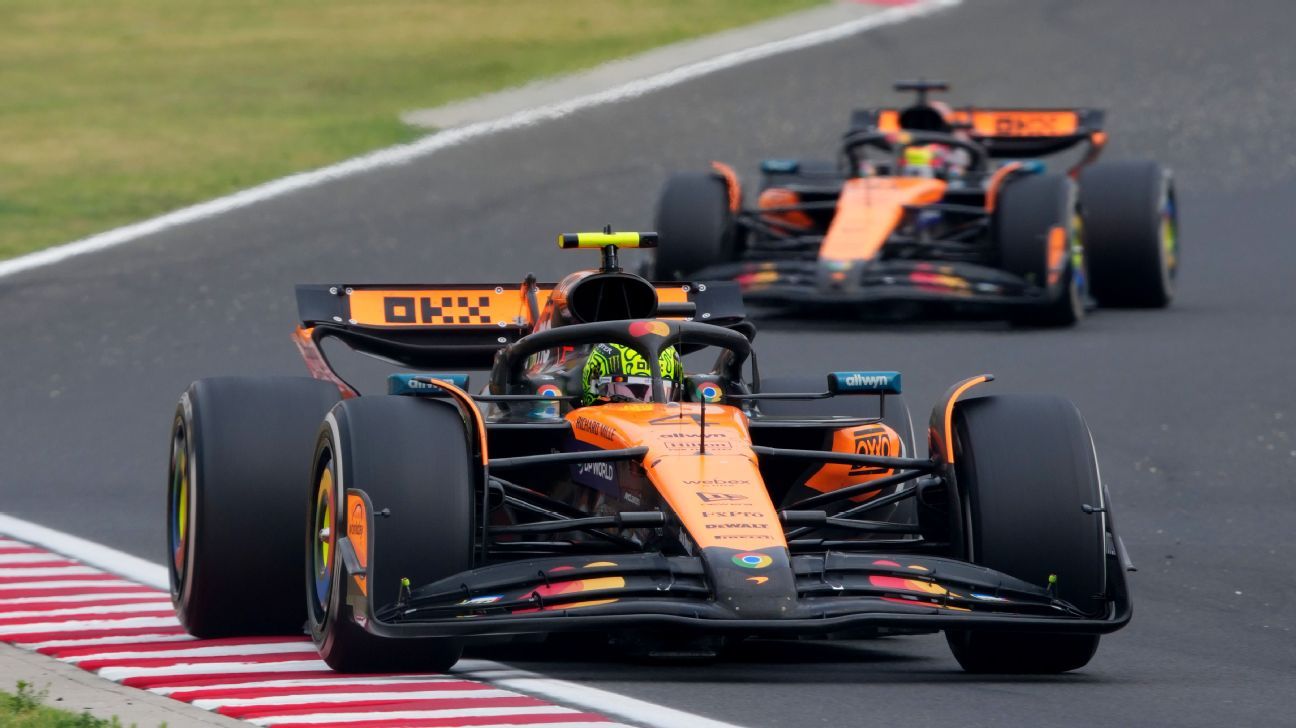
McLaren’s latest upgrades gave Norris the confidence to push throughout the race.
Norris Believes More Wins Are Possible
Although Norris acknowledged that the Hungaroring has traditionally suited McLaren, he remains optimistic about the rest of the season.
Meanwhile, he praised the effort made by everyone at the factory to develop a race-winning car. He also stressed that the team cannot slow its development because rivals such as Ferrari continue to improve.
Consequently, McLaren plans to introduce additional upgrades after the summer break as it continues its fight near the front of the grid.
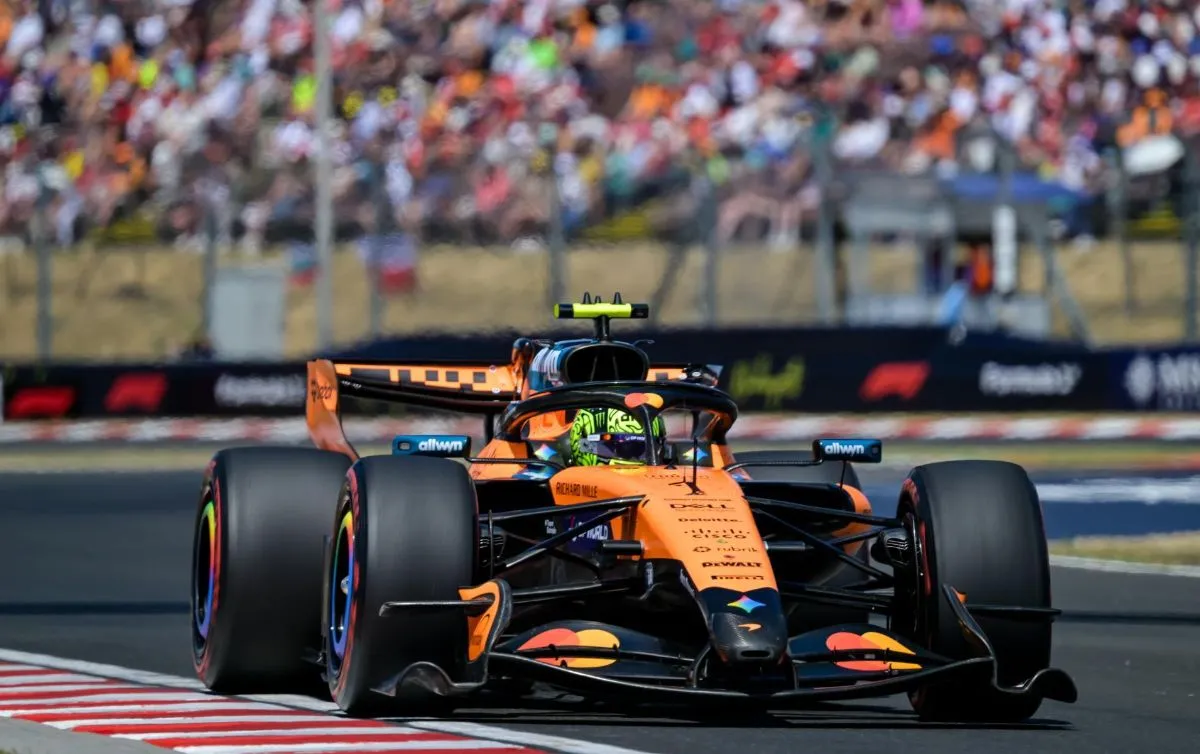
Norris believes McLaren can continue fighting for victories after the summer break.
Lando Norris McLaren Partnership Is Gaining Momentum
The Lando Norris McLaren combination appears stronger than ever after the Hungarian Grand Prix.
Overall, the team’s latest upgrades have provided a significant performance boost while giving Norris renewed confidence behind the wheel. If McLaren continues developing at this pace, the British driver believes more Formula 1 victories are well within reach during the remainder of the 2026 season.
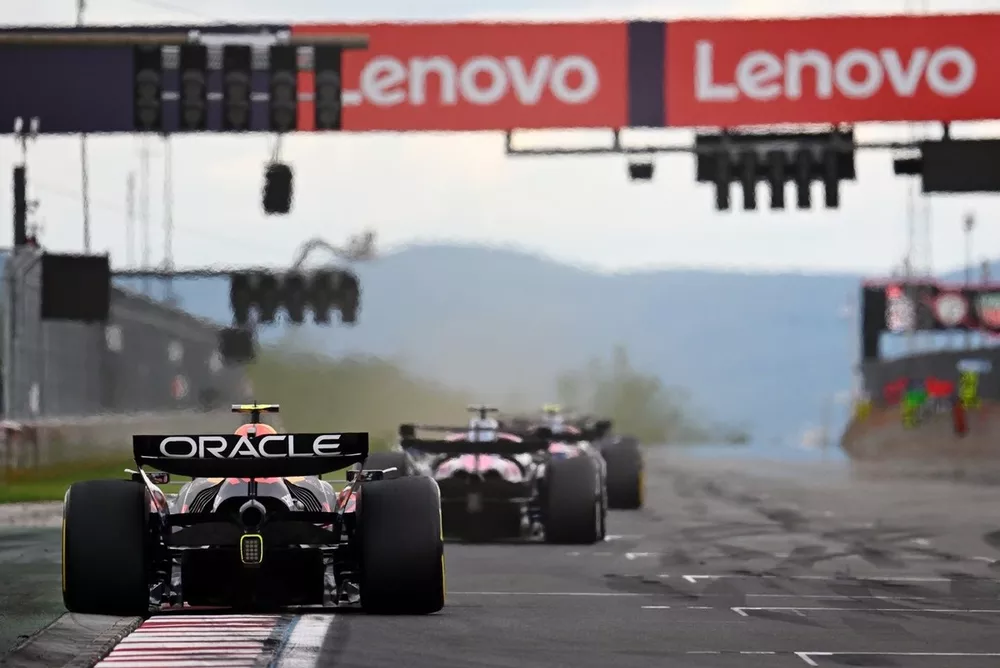
The Hungaroring is famous for making overtaking difficult, yet Formula 1 history reveals that starting from pole position is far from a guarantee of victory.
The Hungarian Grand Prix pole position has long been considered one of the most valuable starting spots in Formula 1. Because overtaking is notoriously difficult at the Hungaroring, many expect the pole sitter to control the race from lights out to the checkered flag.
However, the statistics tell a different story. History shows that winning from pole is far less common than many fans might expect.
Pole Position Has Produced Only 40% of Winners
Across 40 editions of the Hungarian Grand Prix, the pole sitter has won 16 races.
That means 40% of Hungarian Grand Prix winners started from first on the grid. Meanwhile, the remaining 24 races, or 60%, were won by drivers who started from another position.
As a result, qualifying on pole provides an advantage, but it certainly does not guarantee victory.
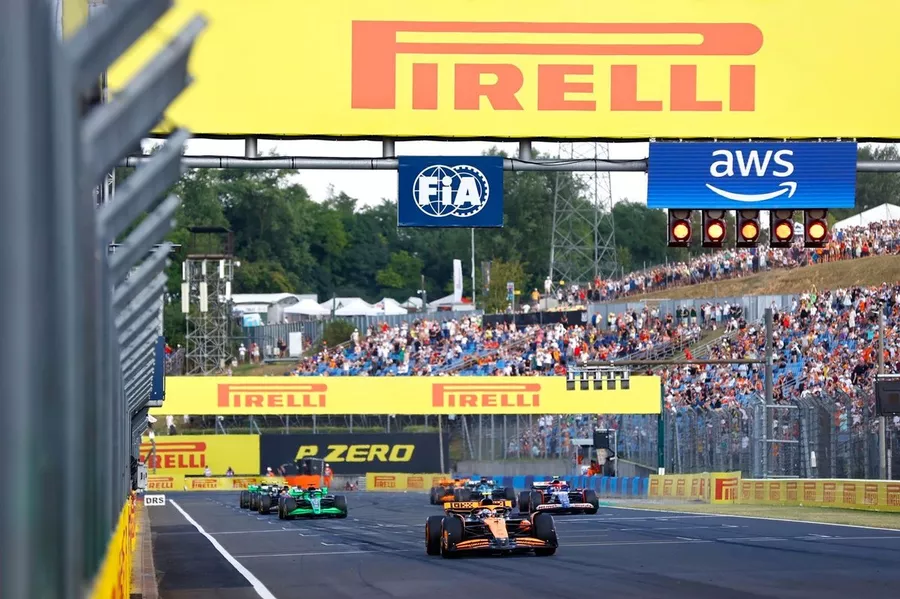
Pole position has produced 16 winners in 40 Hungarian Grand Prix races.
Recent History Favors Drivers Starting Behind Pole
The recent trend is even more surprising.
The last driver to convert pole into victory at the Hungaroring was Lewis Hamilton in 2020. Since then, every Hungarian Grand Prix has been won by a driver who started elsewhere on the grid.
Furthermore, recent winners have come from a variety of starting positions. Lando Norris won from third in 2025, Oscar Piastri from second in 2024, Max Verstappen from second in 2023 and an incredible tenth place in 2022, while Esteban Ocon claimed victory from eighth in 2021.
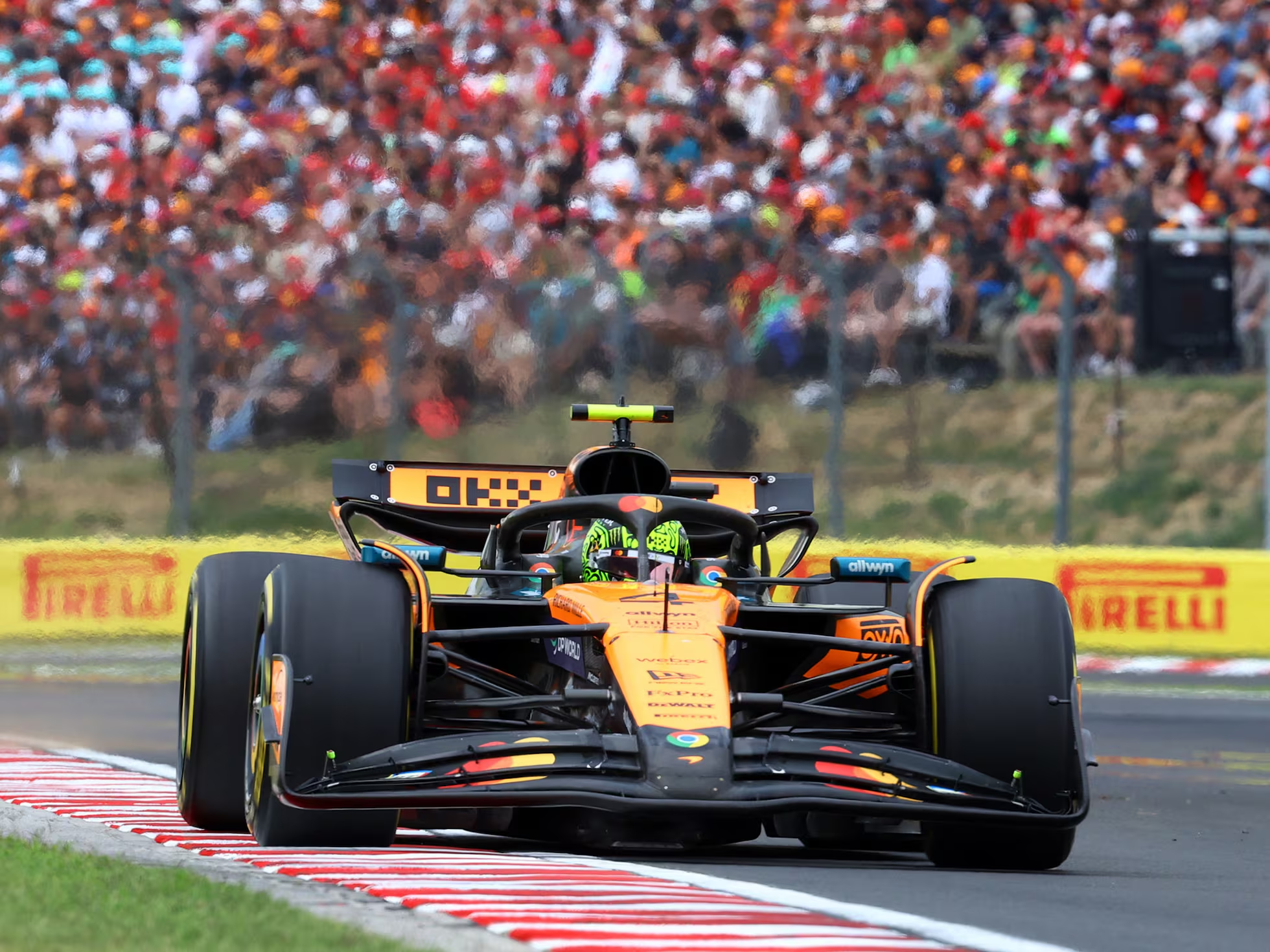
Several recent Hungarian Grand Prix winners started well behind pole position.
Winning From Different Grid Positions Is Possible
The statistics highlight just how unpredictable the Hungarian Grand Prix can be.
Eight winners have started from second, while nine have won from third on the grid. In addition, victories have even come from eighth, tenth, twelfth and fourteenth, proving that strategy, tire management and race circumstances can outweigh qualifying position.
Therefore, although track position remains important, Sunday often tells a different story than Saturday.
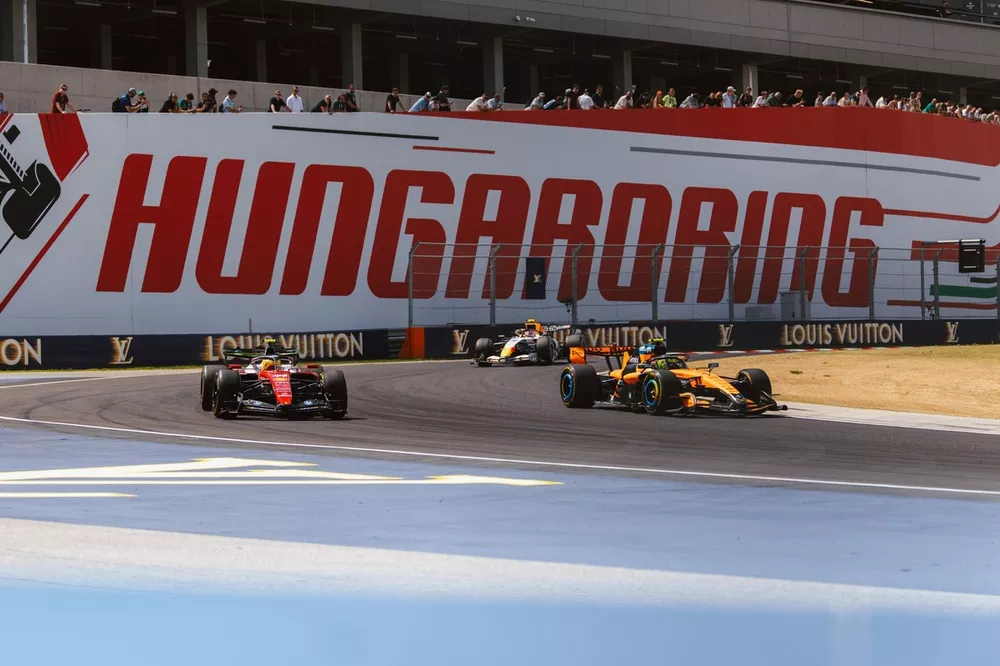
Formula 1 history shows that multiple grid positions have produced winners at the Hungaroring.
Hungarian Grand Prix Pole Position Is Helpful, Not Decisive
The Hungarian Grand Prix pole position remains a valuable advantage because overtaking opportunities are limited.
Overall, decades of Formula 1 history demonstrate that qualifying first is only part of the equation. Strong race pace, strategy, tire management and well-timed decisions have repeatedly allowed drivers starting behind the pole sitter to fight their way to victory.
-

 TEST DRIVES2 months ago
2026 Subaru Outback Touring
-
 TEST DRIVES2 months ago
Lamborghini prepares multiple launches for 2026 as electrification plans continue
-
 TEST DRIVES2 months ago
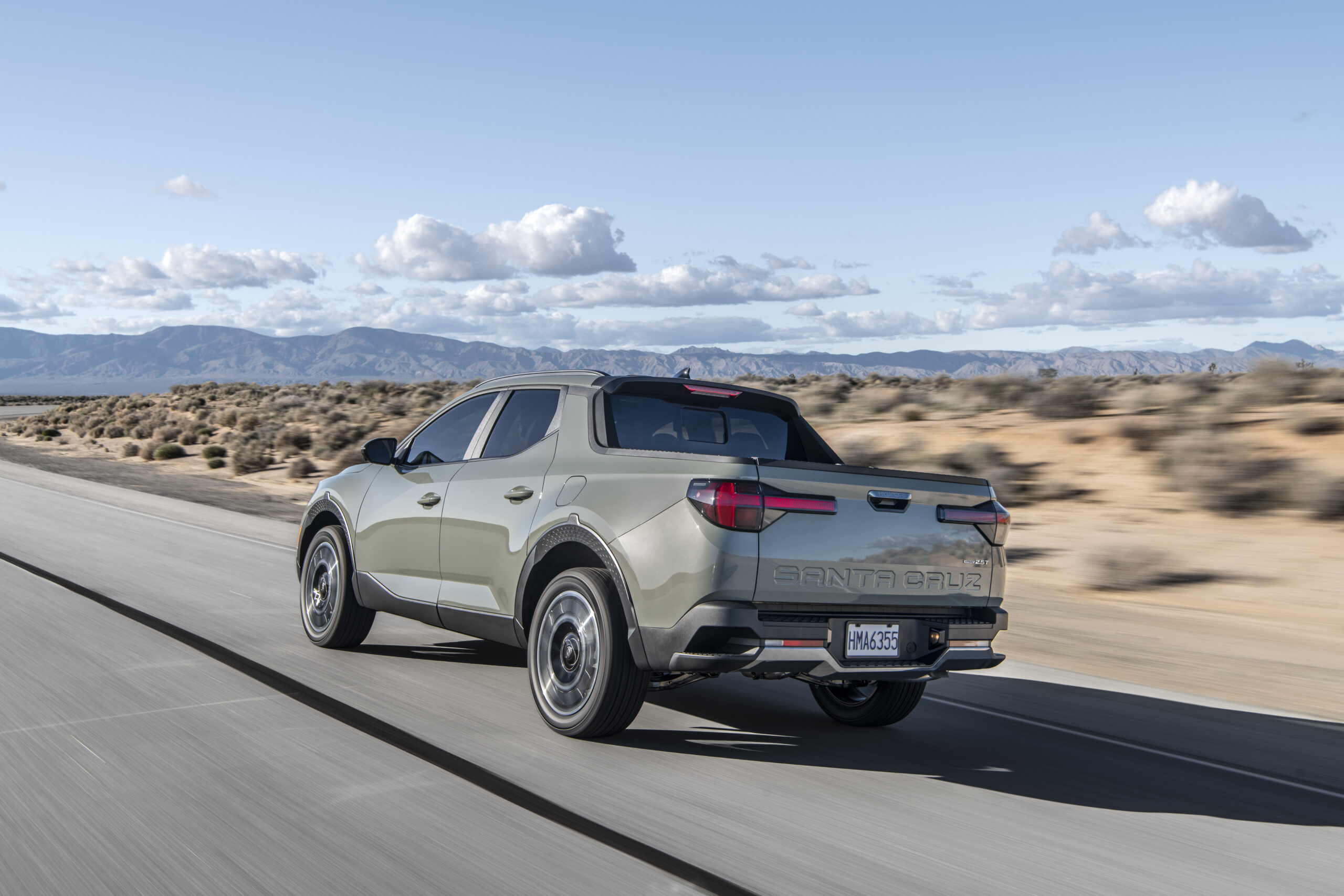
2026 Hyundai Santa Cruz Limited AWD
-

 INTELLIGENT MOBILITY1 month ago
2026 Cadillac Escalade IQL Redefines Luxury In The Electric SUV Segment
-
 RACING2 months ago
Barcelona-Catalunya Grand Prix: Everything You Need To Know About Formula 1’s Ultimate Benchmark Circuit
-
 RACING1 month ago
George Russell Leads Final Barcelona Practice As Kimi Antonelli Receives Reprimand
-
 RACING2 months ago
Why Formula 1 Has Pit Lane Speed Limits And How They Are Measured
-
 NOW TRENDING2 months ago
Porsche Creates A Buzz Lightyear-Inspired 911 GT3 RS That Looks Ready To Go “To Infinity And Beyond”
You must be logged in to post a comment Login