
RACING
Aston Martin Valkyrie Targets Strong IMSA Result at Watkins Glen

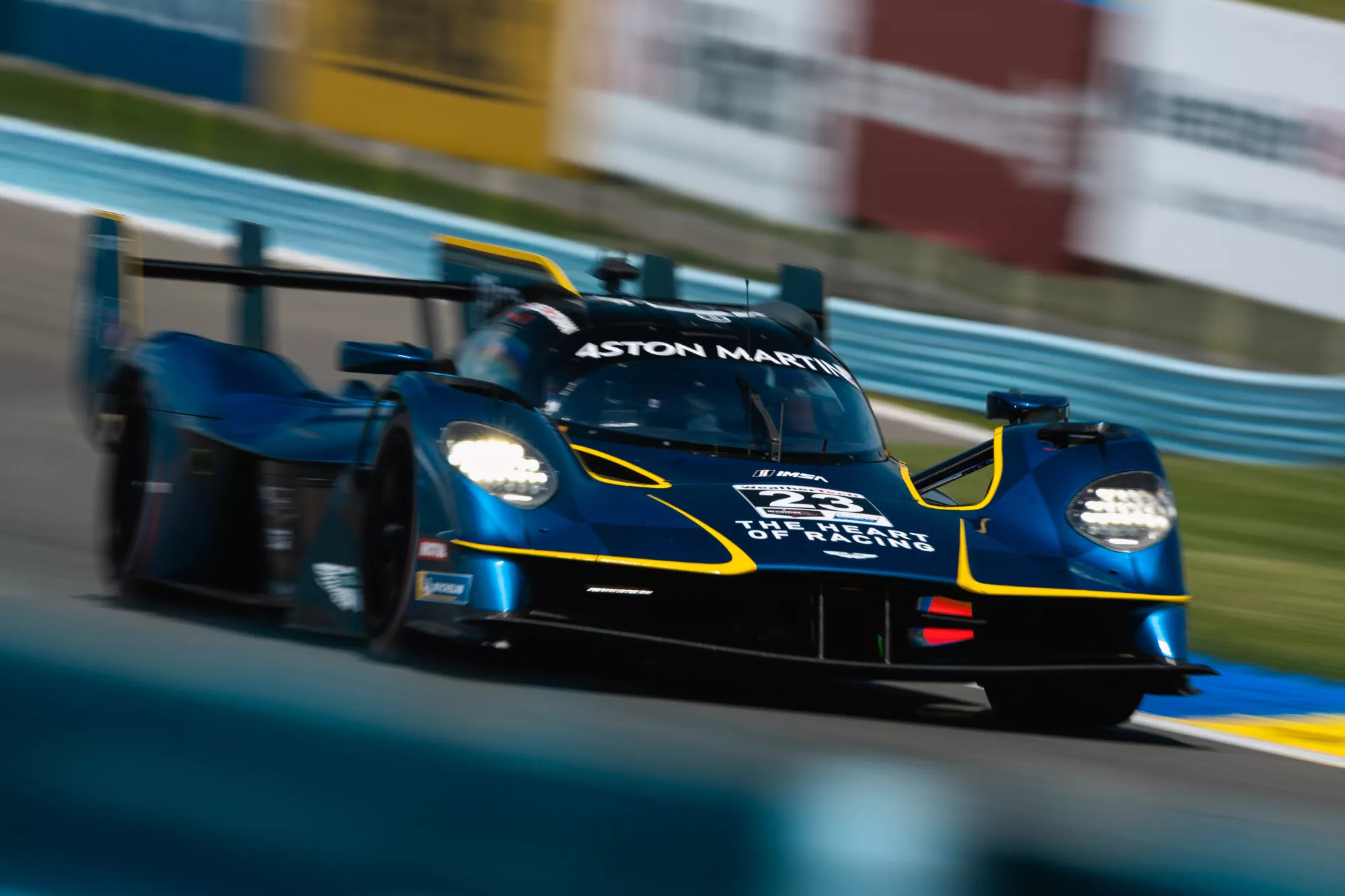
The Aston Martin Valkyrie Watkins Glen campaign continues this weekend as the British hypercar looks to build on its recent momentum in the IMSA WeatherTech SportsCar Championship.
The Aston Martin Valkyrie Watkins Glen program enters another important chapter as the British manufacturer prepares for the Sahlen’s Six Hours of the Glen. Following encouraging performances during the opening half of the IMSA WeatherTech SportsCar Championship season, Aston Martin arrives at one of North America’s most iconic road courses aiming to continue the development of its Le Mans Hypercar.
The six-hour endurance race also counts toward the IMSA Michelin Endurance Cup, making it one of the most valuable events on the calendar for teams competing in the premier GTP category.
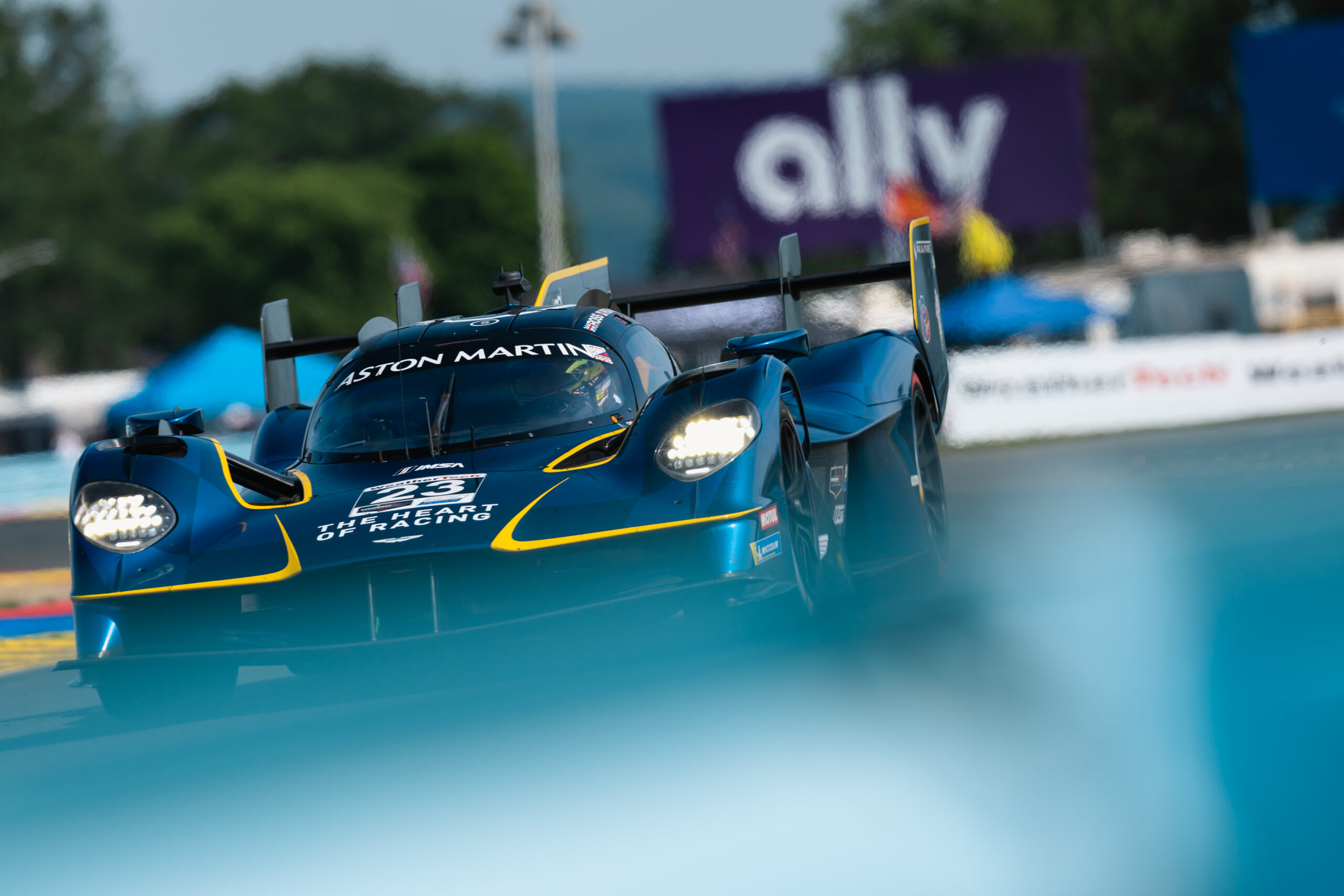
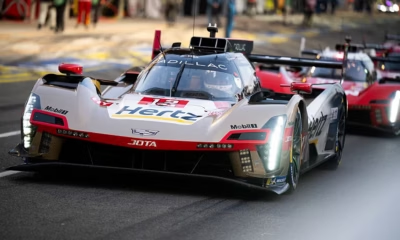
The Aston Martin Valkyrie returns to Watkins Glen looking to continue its progress in IMSA competition.
Aston Martin Valkyrie Watkins Glen campaign builds on recent momentum
The Aston Martin Valkyrie Watkins Glen effort follows a series of encouraging performances throughout the 2026 IMSA season. The hypercar has consistently finished inside the top ten while demonstrating clear improvements in pace, reliability and race execution compared with its debut campaign.
Recent progress has strengthened confidence within the team as development continues throughout the season. Each race has provided additional data that has helped improve the overall competitiveness of the Valkyrie package.
The Watkins Glen circuit could further highlight those gains thanks to its fast layout and flowing corners.
Aston Martin Valkyrie Watkins Glen package combines road and racing technology
The Aston Martin Valkyrie Watkins Glen entry remains unique within the GTP field because it is derived from a road-legal hypercar.
Its competition version features a lightweight carbon-fiber chassis and a naturally aspirated 6.5-liter V12 engine engineered specifically for endurance racing regulations. Although the production powertrain produces more than 1,000 horsepower, the race car operates within the performance limits established by Hypercar technical regulations.
This combination allows Aston Martin to transfer engineering knowledge between its road-going hypercar and its international motorsport program.

The Valkyrie combines a carbon-fiber chassis with a naturally aspirated V12 engine developed for endurance racing.
Aston Martin Valkyrie Watkins Glen lineup brings proven experience
The driving lineup features Ross Gunn and Roman De Angelis, two competitors with strong records at Watkins Glen International.
Both drivers have previously celebrated podium finishes and victories at the historic circuit, providing valuable experience for one of the season’s most demanding endurance events.
Their familiarity with the track could help maximize the performance gains Aston Martin has achieved during the first half of the championship.
Aston Martin expands its IMSA presence at Watkins Glen
Alongside the Valkyrie program, Aston Martin will also compete in the GTD category with multiple Vantage GT3 entries.
Several teams will represent the British manufacturer during the six-hour race, reinforcing Aston Martin’s commitment to IMSA competition across multiple classes. The Vantage GT3 continues to build on a successful record at Watkins Glen after earning multiple victories and podium finishes in recent seasons.
This expanded presence highlights Aston Martin’s growing endurance racing program in North America.
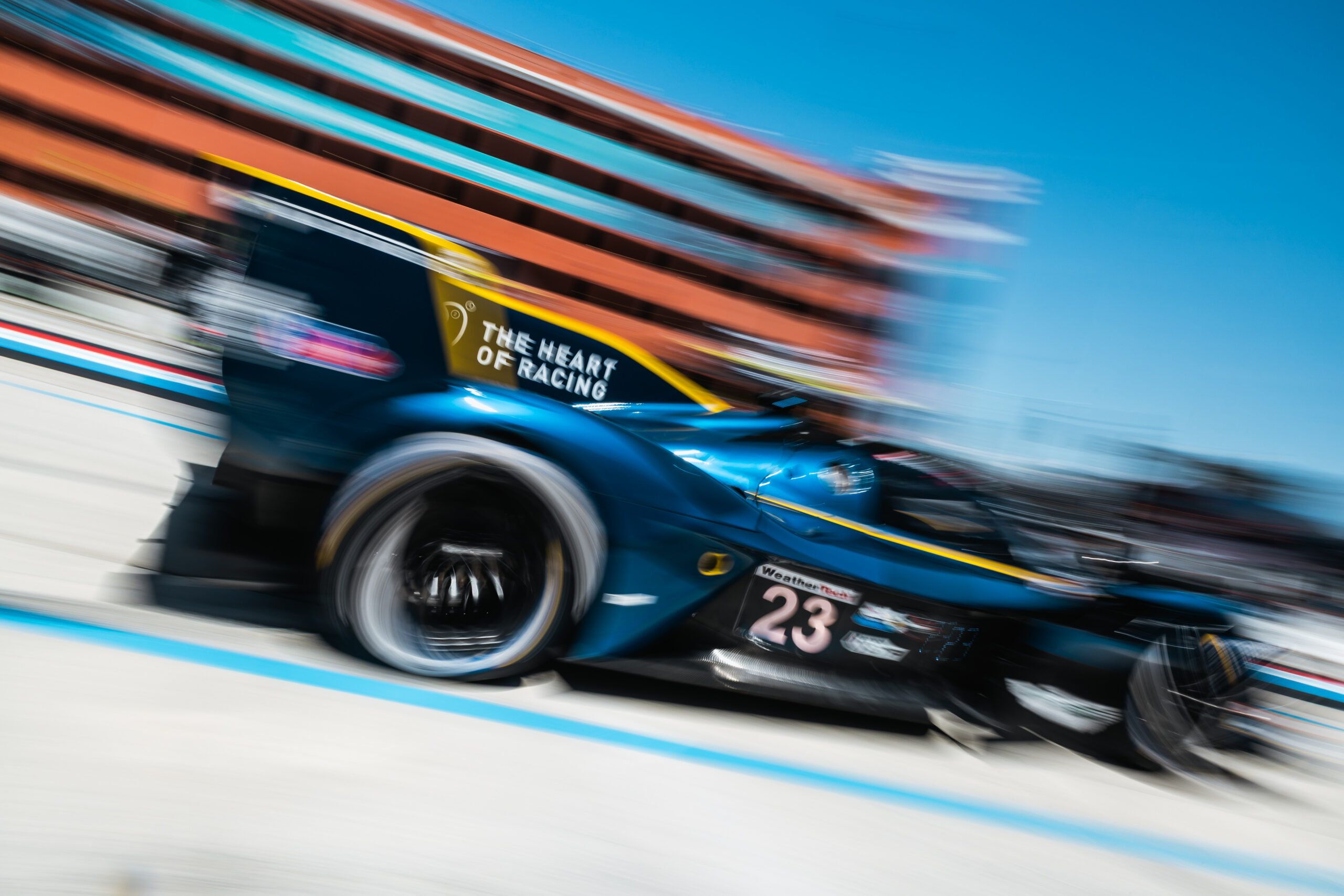
Several Aston Martin Vantage GT3 entries will also compete during the Six Hours of the Glen.
Aston Martin Valkyrie Watkins Glen marks a key moment in the IMSA season
The Aston Martin Valkyrie Watkins Glen race represents the halfway point of the IMSA WeatherTech SportsCar Championship and an opportunity to measure the team’s continued progress.
Engineers expect the circuit’s high-speed corners to better suit the Valkyrie’s aerodynamic characteristics while providing another opportunity to collect valuable development data ahead of the second half of the championship.
A strong performance would further demonstrate how quickly Aston Martin has advanced its Hypercar program since its inaugural IMSA campaign.
Watkins Glen provides another opportunity for Aston Martin to continue developing the Valkyrie Hypercar.
Aston Martin Valkyrie Watkins Glen continues the brand’s endurance racing evolution
The Aston Martin Valkyrie Watkins Glen campaign reflects the manufacturer’s long-term commitment to top-level endurance racing. With continuous improvements in performance, growing experience within the GTP category and an expanding IMSA program, Aston Martin continues building momentum as the 2026 season progresses.
Success at Watkins Glen would represent another important milestone for the Valkyrie while reinforcing Aston Martin’s ambition to compete consistently at the front of international endurance racing.












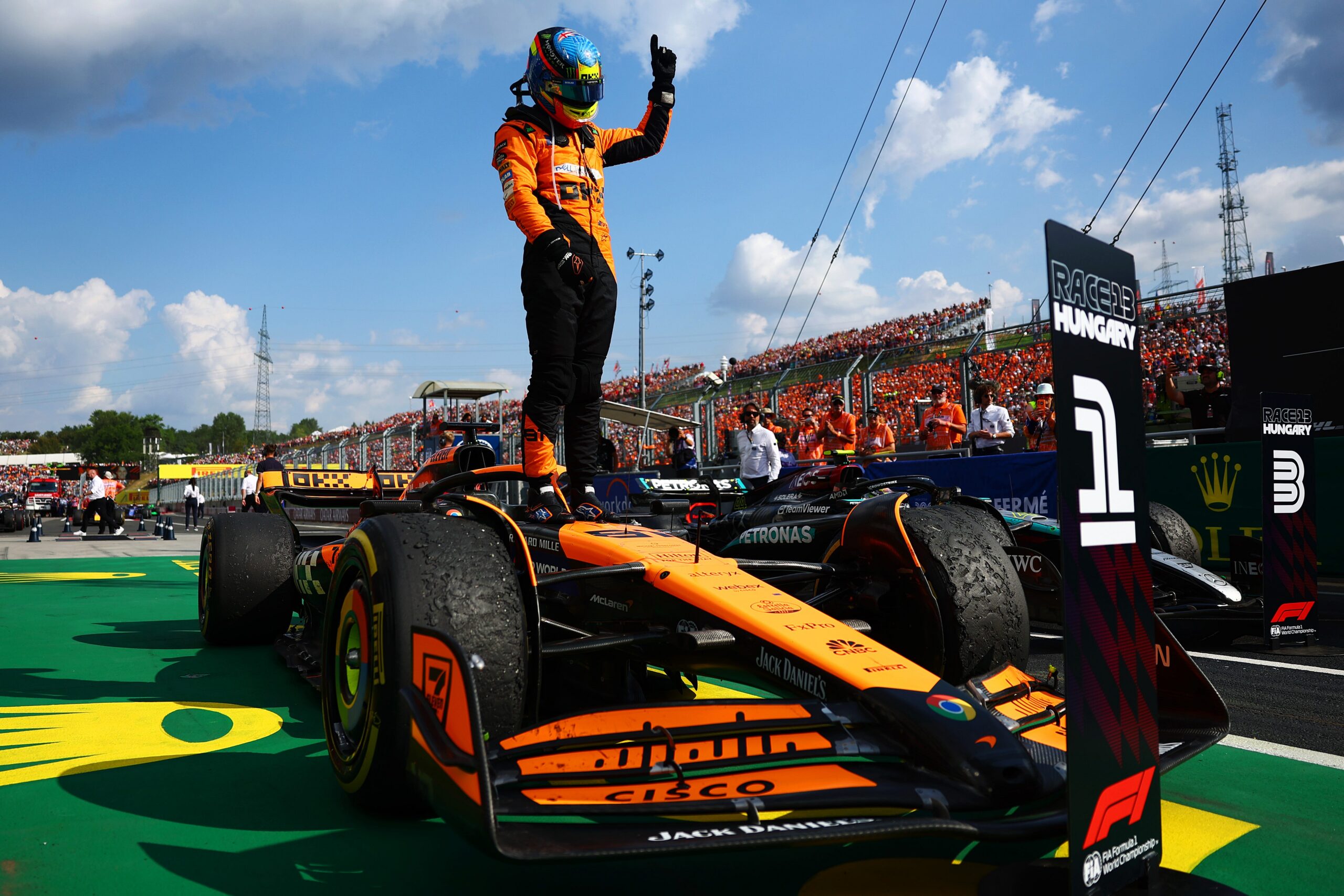
Lando Norris praised McLaren’s latest upgrades after winning the Hungarian Grand Prix, saying the team now has the pace and confidence to fight for more victories in Formula 1.
Lando Norris McLaren confidence is at its highest point of the season following victory at the Hungarian Grand Prix. After returning to the top step of the podium, the British driver praised the team’s latest upgrades and said the car now has the pace needed to continue fighting for wins.
Moreover, Norris described his race pace as one of the strongest performances of his Formula 1 career.
A Fast Recovery After a Difficult Opening Lap
Norris did not enjoy the ideal start to the race.
He lost the lead to teammate Oscar Piastri during the opening lap after struggling with rear grip. However, he refused to give up and pushed hard throughout the first stint, believing the McLaren had enough speed to recover the position.
As a result, his consistent pace kept him within striking distance of the race leader.
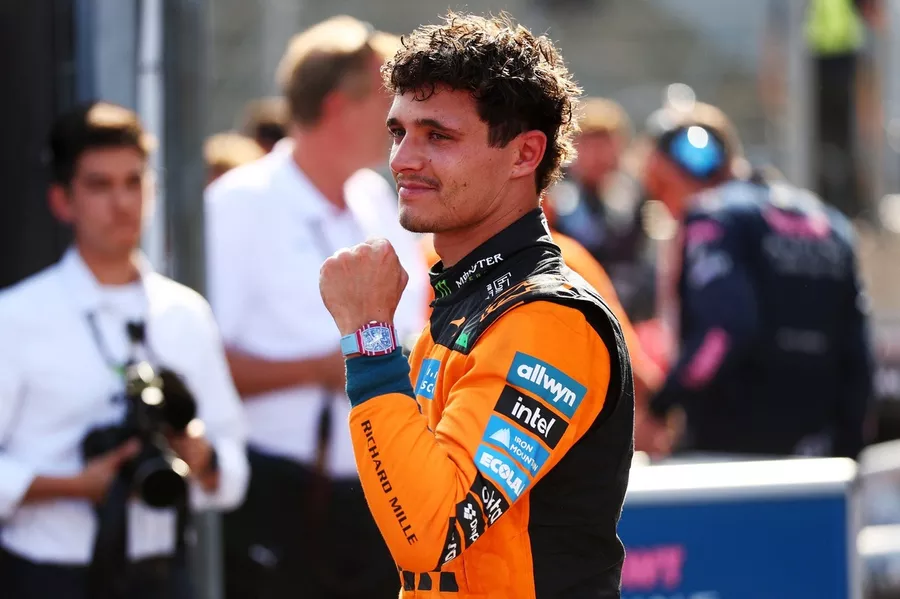
Lando Norris recovered after a difficult opening lap to win the Hungarian Grand Prix.
McLaren’s New Upgrades Made the Difference
The latest McLaren upgrade package played a major role in the victory.
According to Norris, the car delivered exceptional balance and confidence throughout the race. Therefore, the team was able to extend its stints and execute a successful overcut strategy that ultimately secured the win.
Furthermore, Norris believes the improvements could allow McLaren to remain competitive at upcoming Formula 1 races, even if some circuits prove more challenging.
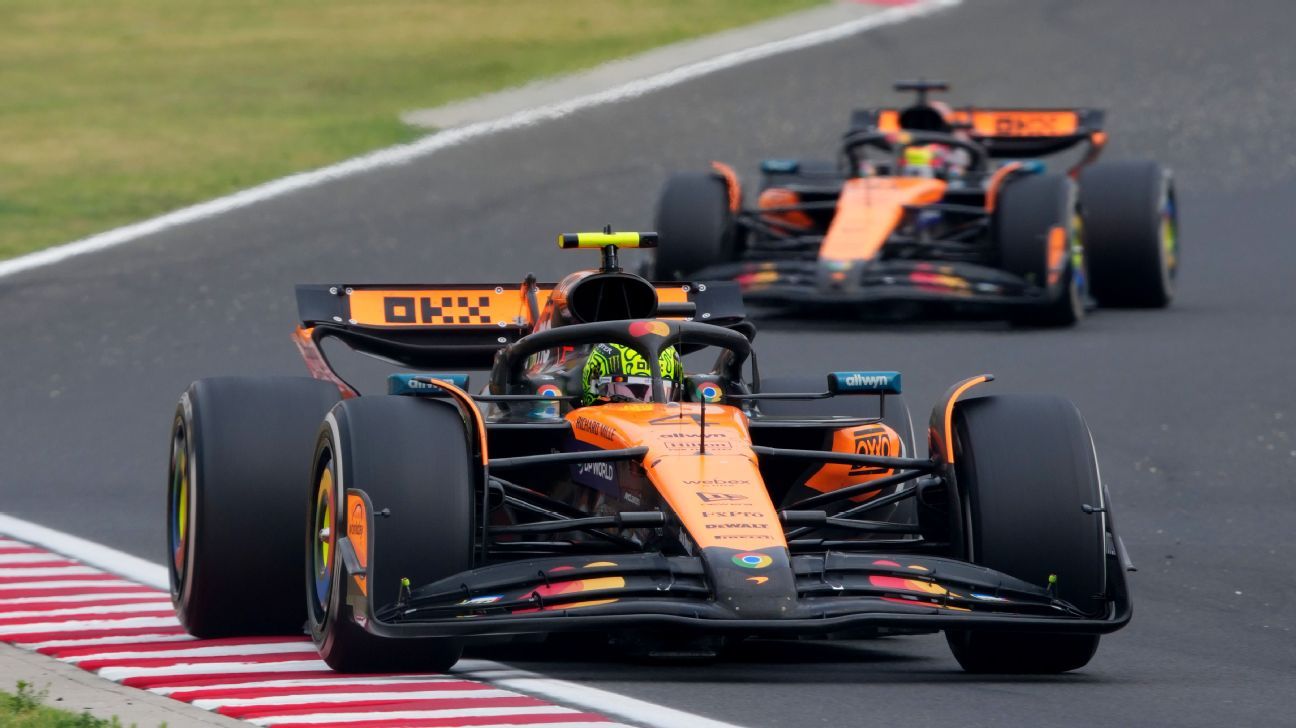
McLaren’s latest upgrades gave Norris the confidence to push throughout the race.
Norris Believes More Wins Are Possible
Although Norris acknowledged that the Hungaroring has traditionally suited McLaren, he remains optimistic about the rest of the season.
Meanwhile, he praised the effort made by everyone at the factory to develop a race-winning car. He also stressed that the team cannot slow its development because rivals such as Ferrari continue to improve.
Consequently, McLaren plans to introduce additional upgrades after the summer break as it continues its fight near the front of the grid.
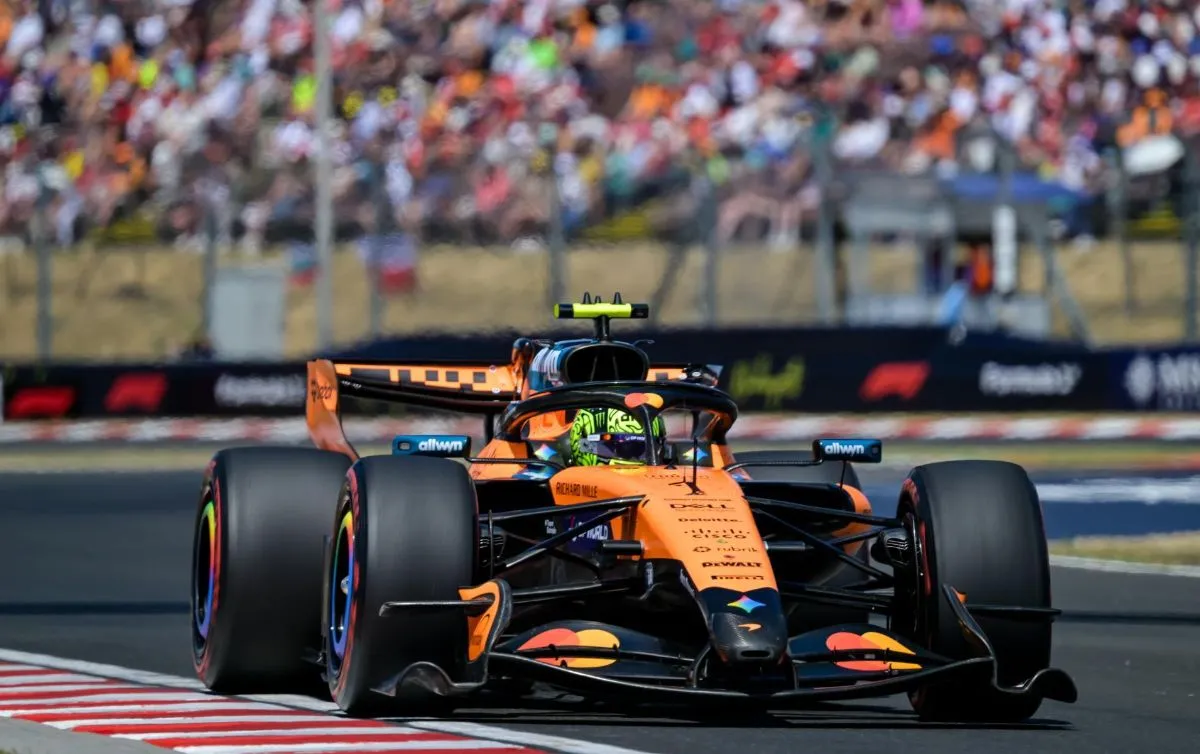
Norris believes McLaren can continue fighting for victories after the summer break.
Lando Norris McLaren Partnership Is Gaining Momentum
The Lando Norris McLaren combination appears stronger than ever after the Hungarian Grand Prix.
Overall, the team’s latest upgrades have provided a significant performance boost while giving Norris renewed confidence behind the wheel. If McLaren continues developing at this pace, the British driver believes more Formula 1 victories are well within reach during the remainder of the 2026 season.
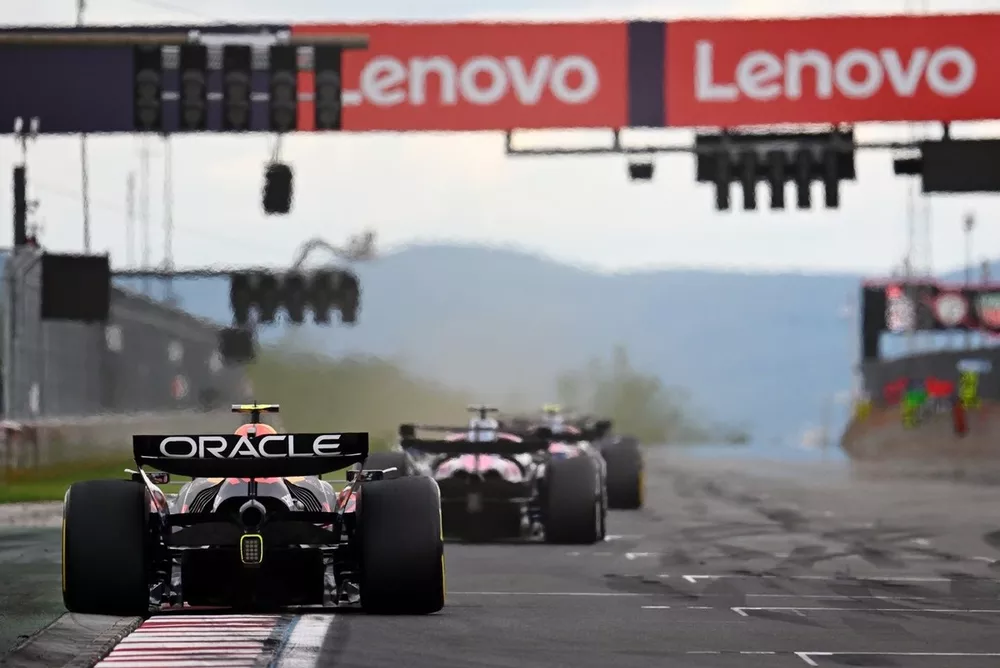
The Hungaroring is famous for making overtaking difficult, yet Formula 1 history reveals that starting from pole position is far from a guarantee of victory.
The Hungarian Grand Prix pole position has long been considered one of the most valuable starting spots in Formula 1. Because overtaking is notoriously difficult at the Hungaroring, many expect the pole sitter to control the race from lights out to the checkered flag.
However, the statistics tell a different story. History shows that winning from pole is far less common than many fans might expect.
Pole Position Has Produced Only 40% of Winners
Across 40 editions of the Hungarian Grand Prix, the pole sitter has won 16 races.
That means 40% of Hungarian Grand Prix winners started from first on the grid. Meanwhile, the remaining 24 races, or 60%, were won by drivers who started from another position.
As a result, qualifying on pole provides an advantage, but it certainly does not guarantee victory.
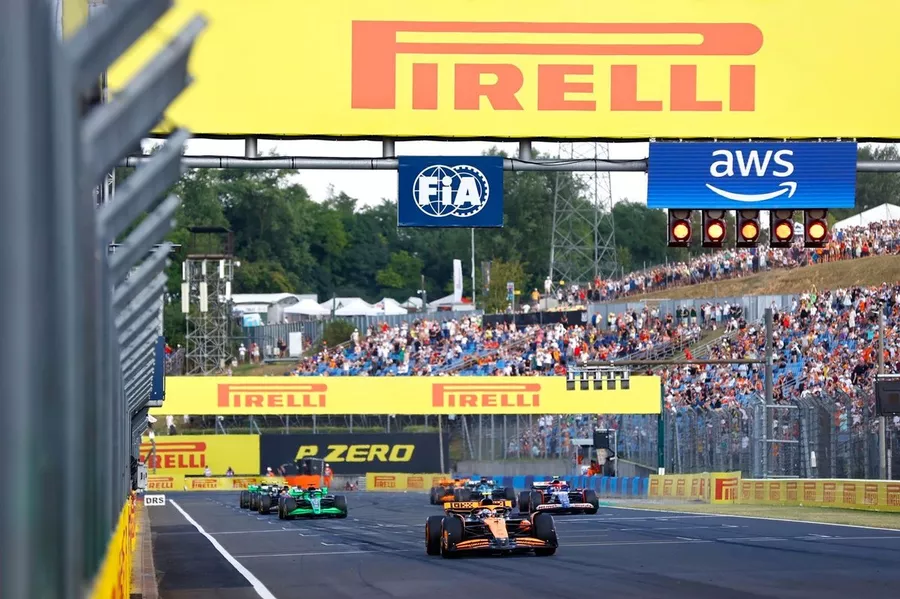
Pole position has produced 16 winners in 40 Hungarian Grand Prix races.
Recent History Favors Drivers Starting Behind Pole
The recent trend is even more surprising.
The last driver to convert pole into victory at the Hungaroring was Lewis Hamilton in 2020. Since then, every Hungarian Grand Prix has been won by a driver who started elsewhere on the grid.
Furthermore, recent winners have come from a variety of starting positions. Lando Norris won from third in 2025, Oscar Piastri from second in 2024, Max Verstappen from second in 2023 and an incredible tenth place in 2022, while Esteban Ocon claimed victory from eighth in 2021.
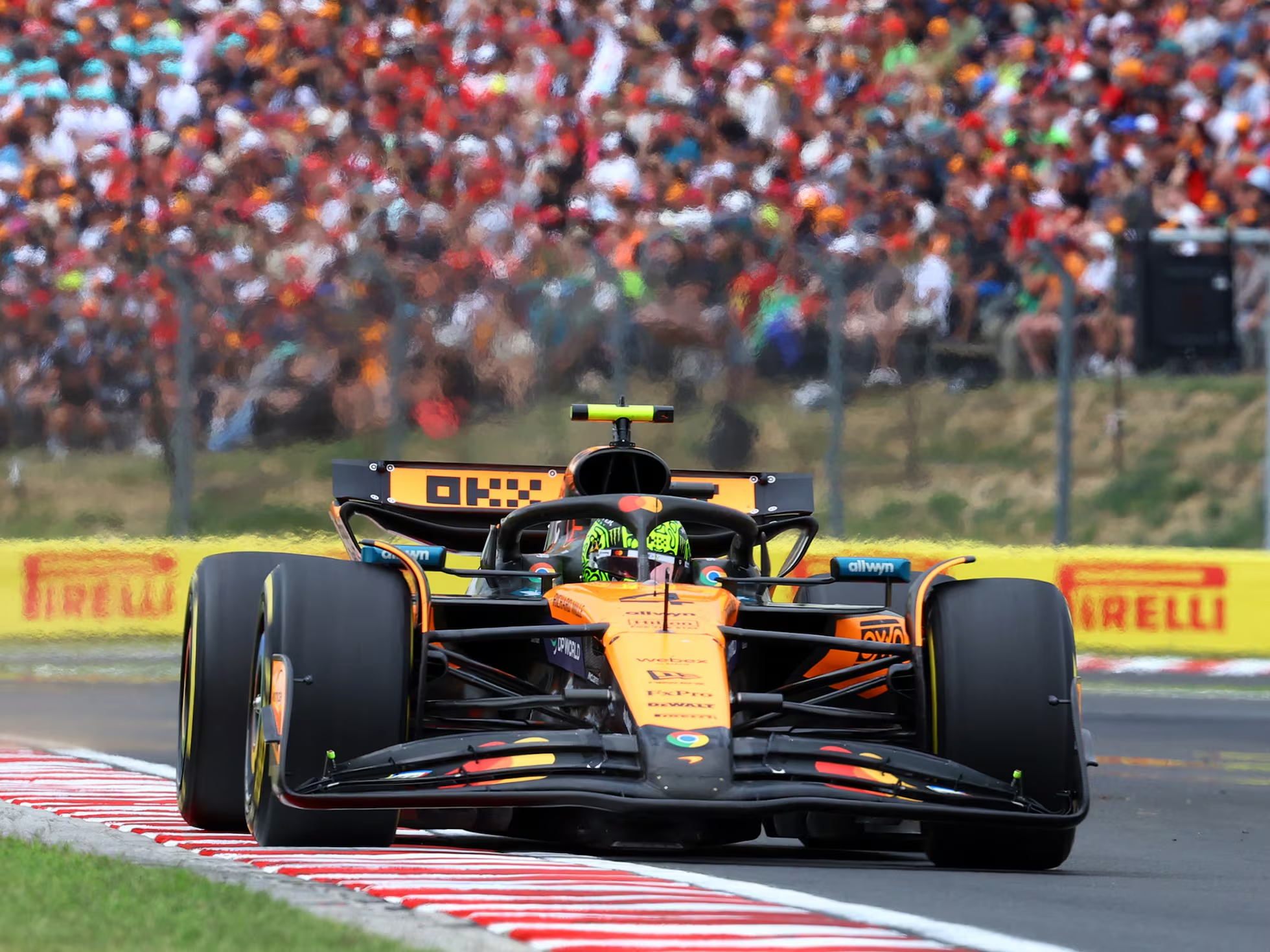
Several recent Hungarian Grand Prix winners started well behind pole position.
Winning From Different Grid Positions Is Possible
The statistics highlight just how unpredictable the Hungarian Grand Prix can be.
Eight winners have started from second, while nine have won from third on the grid. In addition, victories have even come from eighth, tenth, twelfth and fourteenth, proving that strategy, tire management and race circumstances can outweigh qualifying position.
Therefore, although track position remains important, Sunday often tells a different story than Saturday.
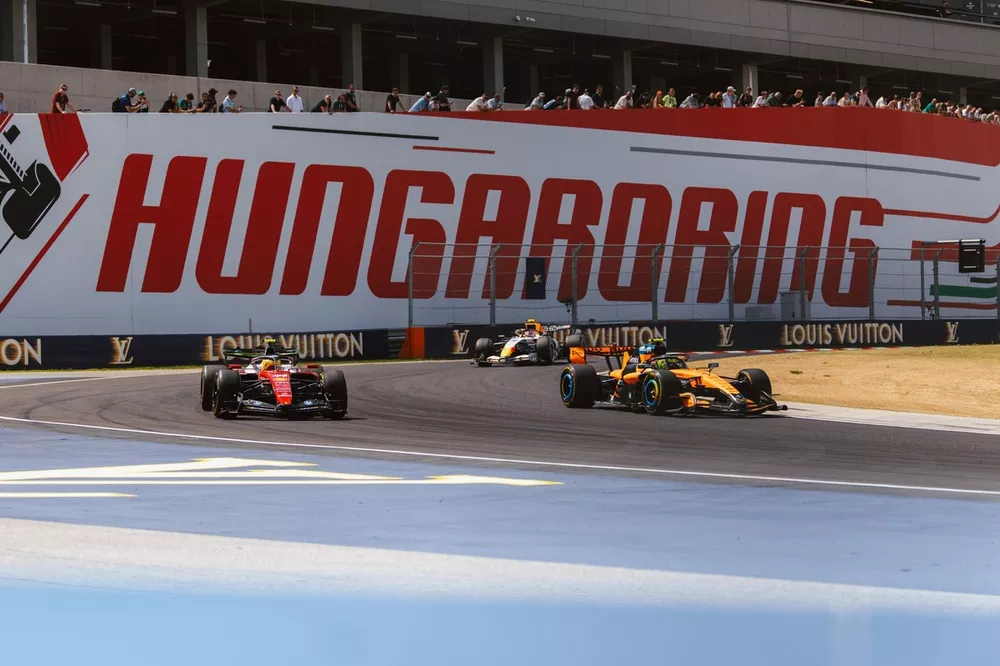
Formula 1 history shows that multiple grid positions have produced winners at the Hungaroring.
Hungarian Grand Prix Pole Position Is Helpful, Not Decisive
The Hungarian Grand Prix pole position remains a valuable advantage because overtaking opportunities are limited.
Overall, decades of Formula 1 history demonstrate that qualifying first is only part of the equation. Strong race pace, strategy, tire management and well-timed decisions have repeatedly allowed drivers starting behind the pole sitter to fight their way to victory.
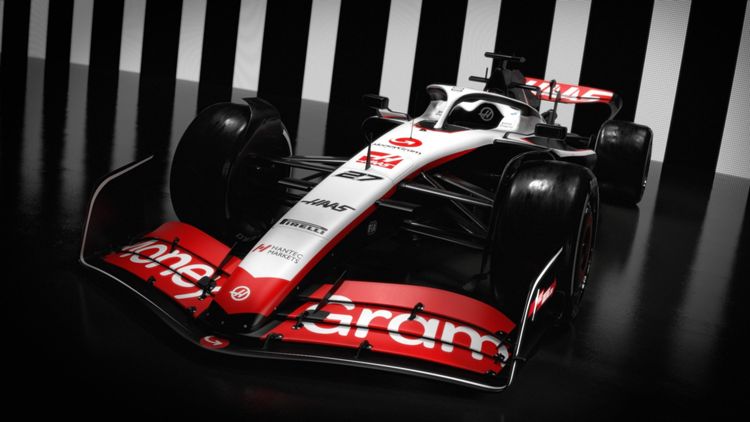
Haas Team Principal Ayao Komatsu believes Formula 1 has become too complex, arguing that the 2026 regulations make it difficult for fans to understand a driver’s true performance.
The F1 2026 rules have sparked fresh debate over the balance between driver skill and technology. According to Haas Team Principal Ayao Komatsu, modern Formula 1 has become so complex that fans can no longer accurately judge a driver’s true performance during a race weekend.
Moreover, Komatsu believes the sport should simplify its regulations and return more control to the drivers.
Software Is Playing a Bigger Role
The current regulations place significant emphasis on energy deployment and software management.
As a result, tiny differences in throttle application or braking can create major variations in straight-line speed, even between teammates driving identical cars. Consequently, lap time differences may not always reflect a driver’s actual performance.
Furthermore, these hidden variables make it difficult for viewers to understand why one driver suddenly gains or loses time.
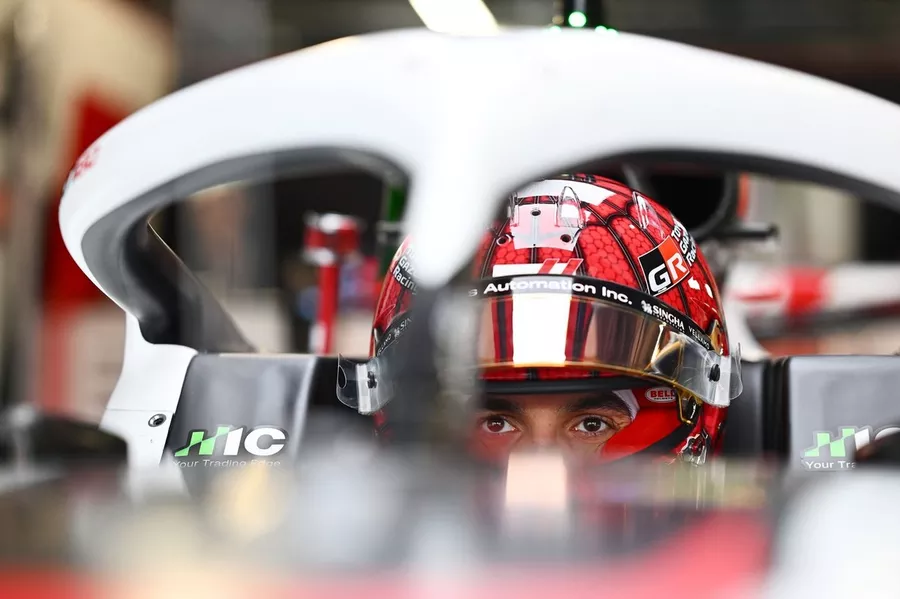
Haas believes software has become too influential under the current Formula 1 regulations.
Komatsu Wants Drivers Back in Control
Ayao Komatsu argues that Formula 1 should become easier for both drivers and fans.
According to the Haas boss, drivers should be able to rely on instinct instead of constantly managing complex software systems. Therefore, the sport needs regulations that reward driving ability rather than intricate energy-management strategies.
In addition, Komatsu believes fans should be able to understand what they are watching without needing advanced technical knowledge.

Ayao Komatsu says Formula 1 should place greater emphasis on driver skill.
Future Rule Changes Could Reduce Complexity
Formula 1 has already introduced adjustments to improve the current regulations.
However, Komatsu says those changes are only a temporary solution. Meanwhile, future rule revisions are expected to reduce the reliance on electrical deployment while increasing the contribution from the internal combustion engine.
As a result, the balance between software and driver input could become more straightforward over the coming seasons.
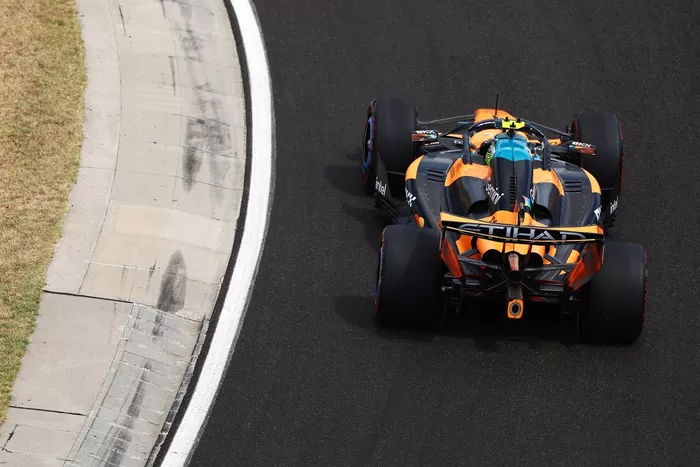
Future Formula 1 regulations aim to simplify energy management and improve racing.
F1 2026 Rules Continue To Divide Opinion
The F1 2026 rules remain one of the most discussed topics in the paddock.
Overall, Haas believes Formula 1 must simplify its technical regulations so fans can better appreciate the skill of the drivers. If future rule changes achieve that goal, the sport could become both easier to follow and more rewarding to watch.
-

 TEST DRIVES2 months ago
2026 Subaru Outback Touring
-
 TEST DRIVES1 month ago
Lamborghini prepares multiple launches for 2026 as electrification plans continue
-
 TEST DRIVES2 months ago
2026 Hyundai Santa Cruz Limited AWD
-
 INTELLIGENT MOBILITY1 month ago
2026 Cadillac Escalade IQL Redefines Luxury In The Electric SUV Segment
-
 RACING1 month ago
Barcelona-Catalunya Grand Prix: Everything You Need To Know About Formula 1’s Ultimate Benchmark Circuit
-
 RACING1 month ago
George Russell Leads Final Barcelona Practice As Kimi Antonelli Receives Reprimand
-
 RACING2 months ago
Why Formula 1 Has Pit Lane Speed Limits And How They Are Measured
-

 NOW TRENDING2 months ago
Porsche Creates A Buzz Lightyear-Inspired 911 GT3 RS That Looks Ready To Go “To Infinity And Beyond”
You must be logged in to post a comment Login