
A combination of tenacity, dreams and boundless passion always prevails. No one knows this better than Romano Artioli. For decades, the Italian had dreamed of a modern super sports car – and this is what led him to revive the dormant Bugatti brand.
“Romano Artioli is a part of our brand’s history. It was thanks to his initiative and perseverance that Bugatti was revived,†explains Stephan Winkelmann, President of Bugatti. “Romano’s energy and enthusiasm, his irresistible passion for Bugatti, helped to transport the brand into the 21st century.â€
Artioli’s love of cars is closely linked to his background. Born close to Mantua, the home town of racing driver Tazio Nuvolari, as a child he was fascinated by racing drivers and their cars. At the age of 12, he devoured a book on driver’s licenses. “After that, it was clear to me that my life would be dedicated to cars and engines,†he once told the magazine Classic Driver. Artioli studied mechanical engineering in Bolzano, and after the war he repaired cars.
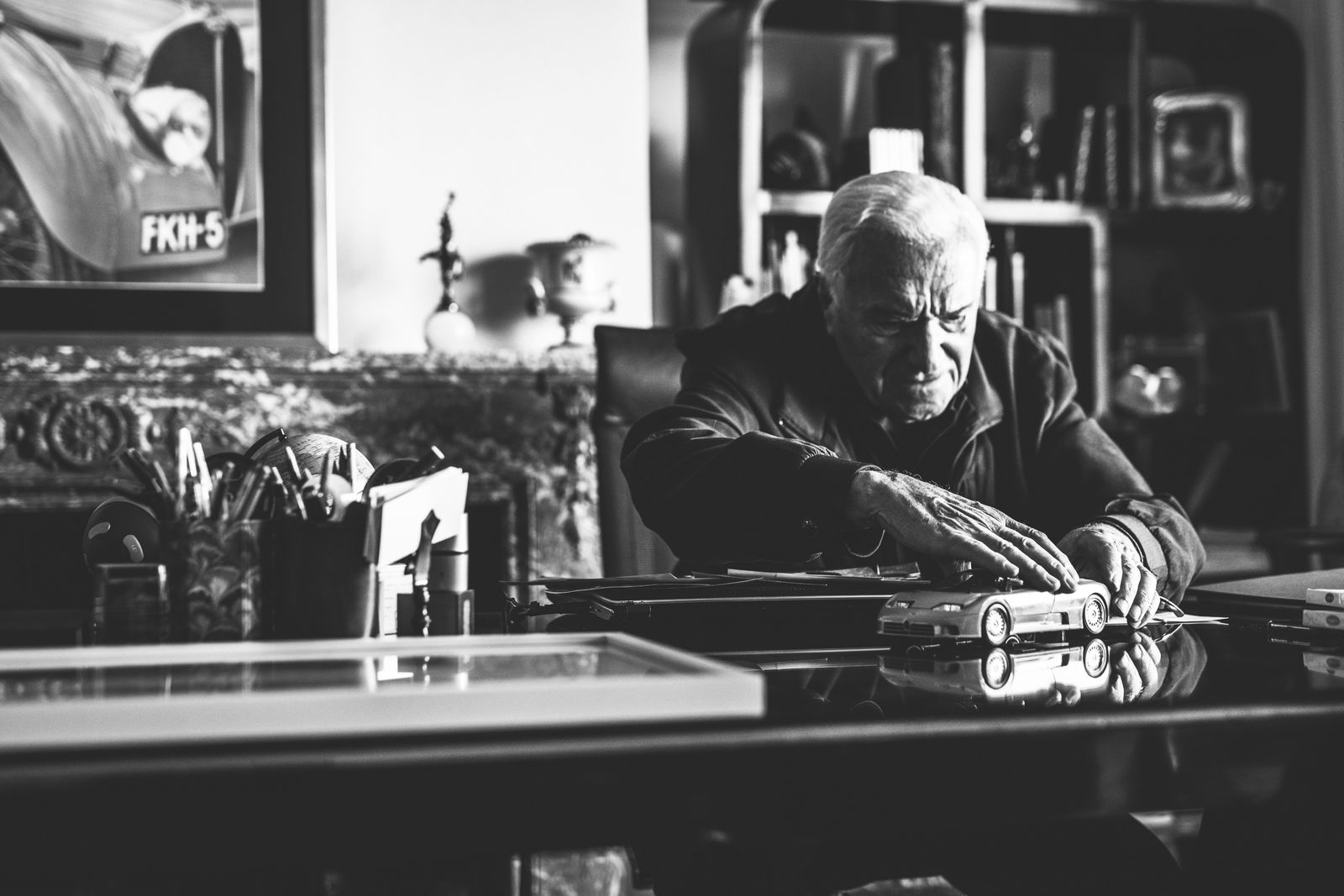
When in 1952, at the age of 20, Artioli heard the news that production at Bugatti had ceased (at least for the time being), he was shocked. A brand of such superior quality, sophisticated design, ideas and technical achievement had to one day be revived. At that moment he vowed: “If no one reacts to the situation at Bugatti, I will work as long as it takes to one day bring the brand backâ€. It would take 39 years for him to achieve his ambition. Over the coming years, the Italian earned his living as a vehicle importer, including the brands GM and Suzuki. He became the largest importer of Japanese cars in Italy and the largest Ferrari dealer. His private car collection at that time featured numerous historic Bugatti models.
By the mid 1980s, the Italian had begun to negotiate the sale of the brand with the French government – discreetly and concealed from public view for two years. In 1987, he founded Bugatti Automobili S.p.A. and became its chairman. Artioli initially wanted to resurrect the company in Molsheim. “Molsheim is comparable to Maranello in Italy or Hethel in England. It is a Mecca for Bugatti, but at the time there were neither production halls nor engineers in the region,†says the 88-year-old. He asked fans of the brand to support him to create a link between Molsheim and a new location – Campogalliano.
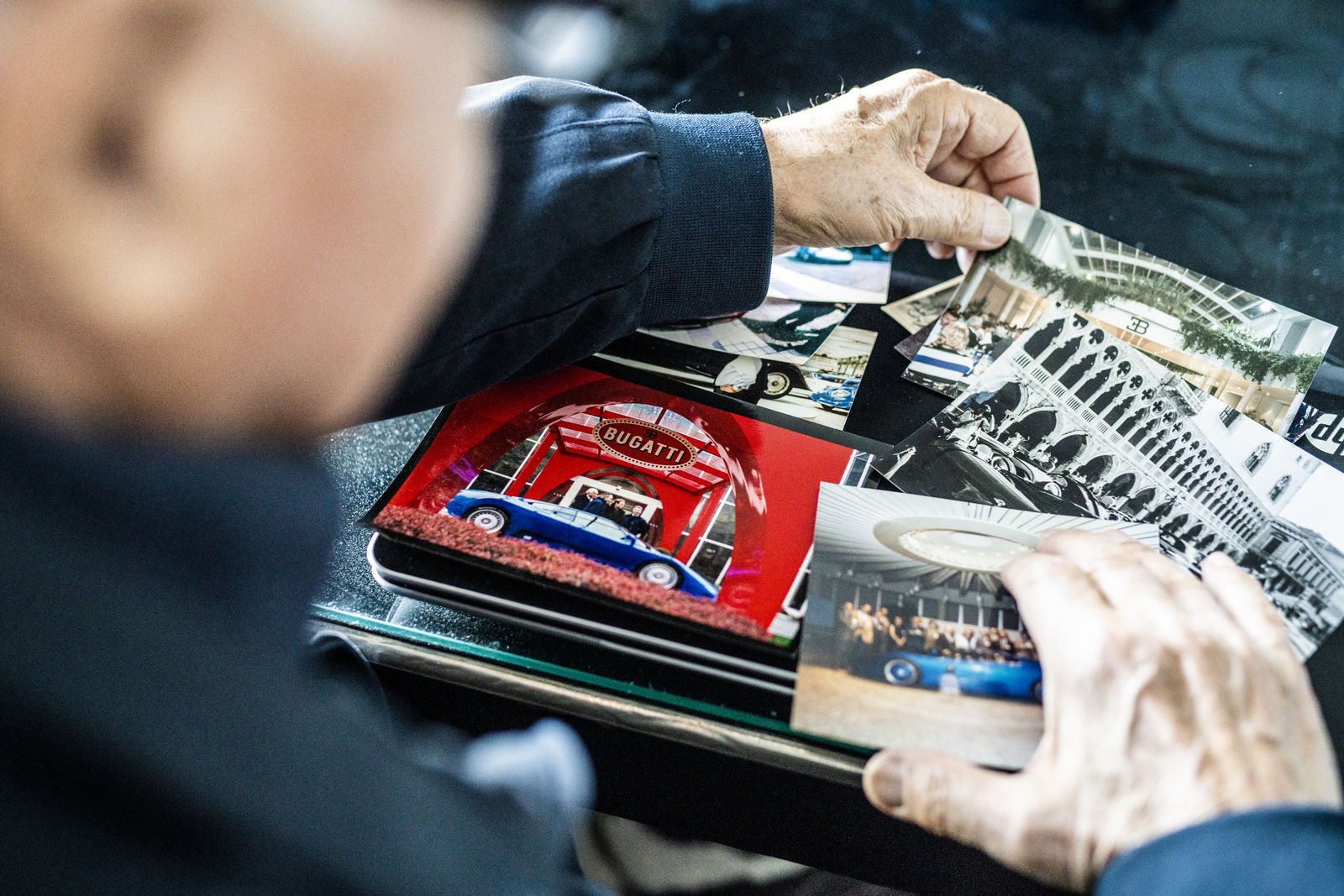
State-of-the-art car production plant built in Campogalliano
In the years that followed, the world’s most modern car production plant was built with intensive planning on a site covering 240,000 square meters in the vicinity of Ferrari, Maserati, De Tomaso and Lamborghini. The site incorporates an administrative building, design studio, engine and test development area, production halls, test track, a stylish canteen, and exhibition space. The halls are open, bathed in natural light, and fitted with air conditioning systems so that the employees feel as though they are sitting in the open air. He handed the architectural commission to his cousin Giampaolo Benedini, who designed a spectacular building – one which went on to inspire other manufacturers.
Benedini also modified the initial design of the future super sports car, smoothing the sharp edges and the extreme wedge shape. “With the EB 110, we had to push the boundaries in terms of performance and quality. I owed that to Ettore Bugatti. Production output was less important than uncompromising quality and innovation,†explains Artioli, who today commutes between his office in Lyon and his family home in Trieste. The car enthusiast enlisted the region’s top engineers and designers to put his plan into action.
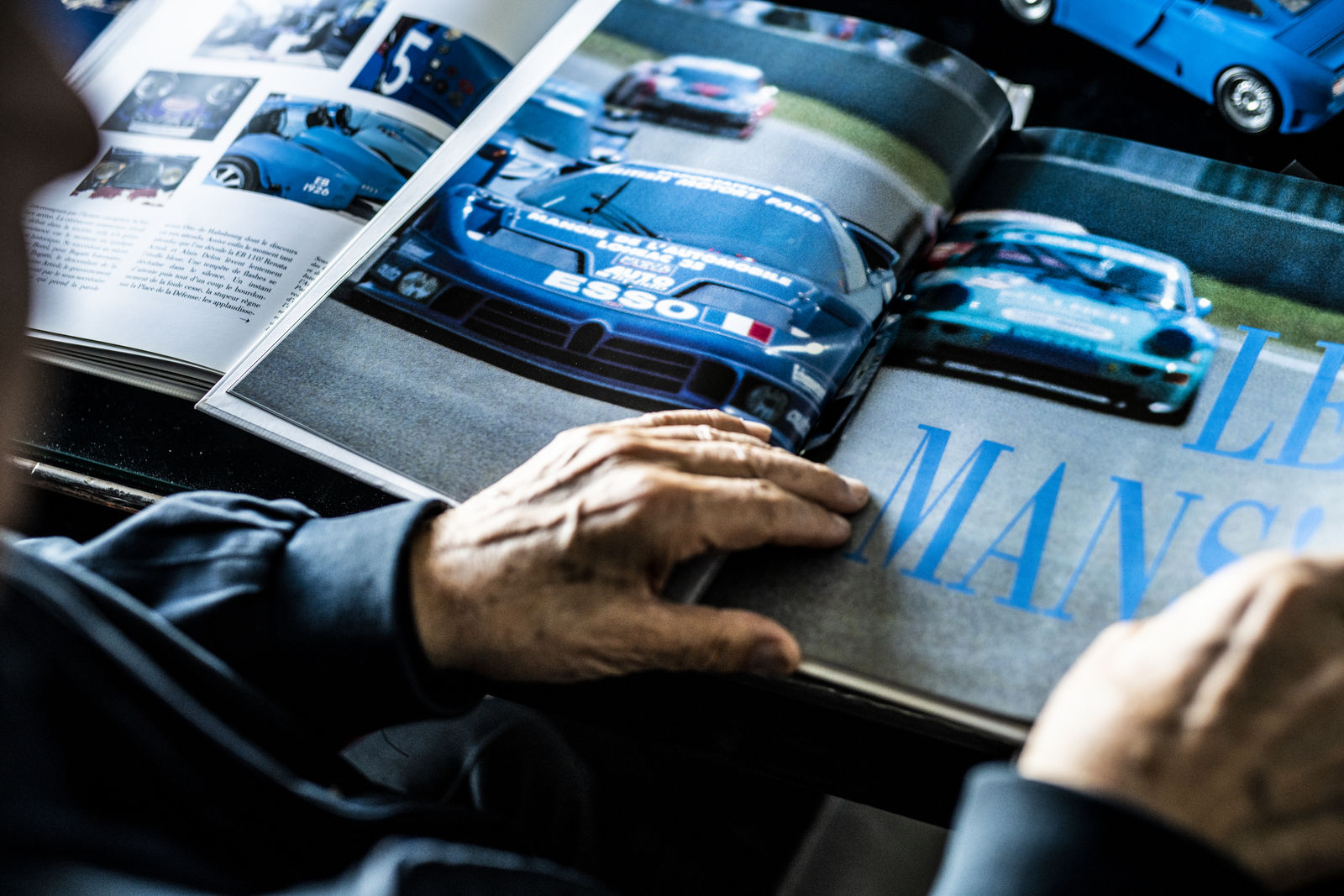
The EB 110 came into being on a blank sheet of paper, breaking with many of the conventions of its class and reaching the peak of automotive excellence. It was to become the best and fastest super sports car in the world. The EB 110 featured the first series-produced carbon chassis, all-wheel drive, four turbochargers, and a 3.5-liter V12 engine with five valves per cylinder and a power output of 550 PS. With a top speed of over 351 km/h, the two-seater broke multiple records. Almost 30 years ago, on Ettore Bugatti’s 110th birthday (September 15, 1991), Romano Artioli presented the EB 110 in Paris. Over 5,000 reporters and leading industry figures from all over the world, not to mention countless eager spectators, attended the premiere in Paris. Several hundred security personnel were needed to safeguard the event on the Place de la Défense. All of the fans shrieked as Alain Delon drove down the Champs-Élysées with Artioli’s wife Renata.
The most high-profile customer was Michael Schumacher, who had tested various super sports cars as part of a comparison test for a car magazine and had been particularly impressed by the EB 110, which he regarded as unrivaled. “Michael came to Campogalliano immediately after and purchased a yellow Super Sport with a blue GT interior. He did not ask for a discount – he was clearly a fan,†recalls Artioli. Every owner was able to individually configure their own EB 110, like a tailor-made suit.
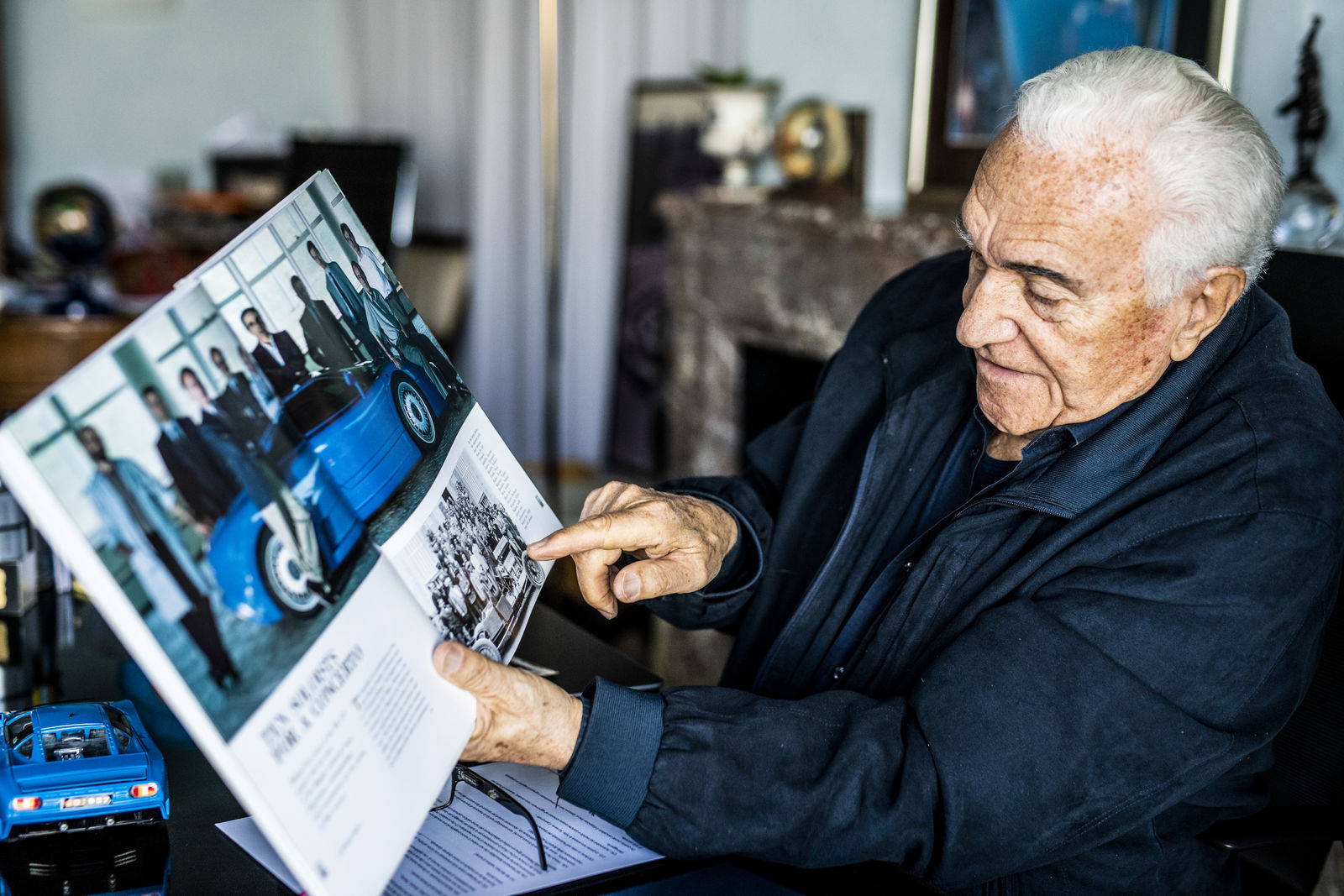
However, times changed. While the response to the EB 110 had been extremely enthusiastic despite the global financial crisis, the Americans were suffering from the effects of the Gulf War, and the value of the yen was rising while in Italy the economy was collapsing – the market shrank and sales fell. Moreover, Artioli had invested in the automotive company Lotus and amassed debts; problems with suppliers followed.
After 39 years of dreaming and seven years of hard work, the Bugatti project under Romano Artioli came to an end. On September 23, 1995, after the construction of around 128 vehicles, he filed for bankruptcy. He paid his 220 employees up to the very last day. “The employees understood the spirit of Bugatti. They were what made the EB 110 so special, losing all that was a shock. It was a terrible day for all of us,†explains Artioli. The almost completed EB 112 super saloon could no longer be launched. “An incredible car, a delight to drive, with a 6.0-liter V12 installed behind the front axle. The chassis was made of carbon fiber and the internal suspension was lightweight. It drove like a go-kart,†recalls Artioli.
But the legend that is Bugatti did not rest for long. In 1998, Bugatti returned to the French town of Molsheim, to the place where, in 1909, Ettore Bugatti built his first car in his own name. Since then, the Atelier in Alsace has produced the inimitable hyper sports cars Chiron, Divo, Chiron Pur Sport and, in homage to the EB 110, the Centodieci










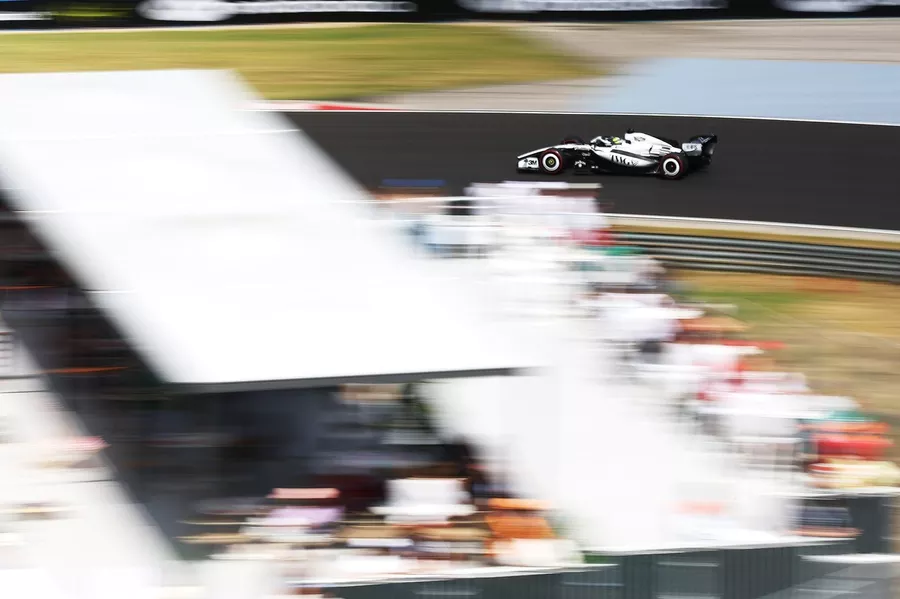
Sergio Pérez was found to have breached Formula 1’s starting procedure during the Hungarian Grand Prix, yet the FIA issued only a warning after determining that a standard penalty would have served no practical purpose.
The Sergio Pérez F1 penalty debate resurfaced after the Hungarian Grand Prix, where the Cadillac driver committed another starting procedure infringement but avoided a sporting penalty. Instead, FIA stewards issued only a warning after reviewing the unusual circumstances surrounding the incident.
Moreover, it was not the first time Pérez has been investigated for a start procedure violation during the 2026 Formula 1 season.
What Happened Before the Race Started?
Pérez began the Hungarian Grand Prix from the pit lane after Cadillac made suspension changes under parc fermé conditions.
During the formation lap, drivers starting from the pit lane must follow a specific procedure before joining the race. However, Pérez moved ahead of teammate Valtteri Bottas before crossing the designated safety car line, an action prohibited by the FIA Sporting Regulations.
As a result, the incident was immediately noted by race stewards.
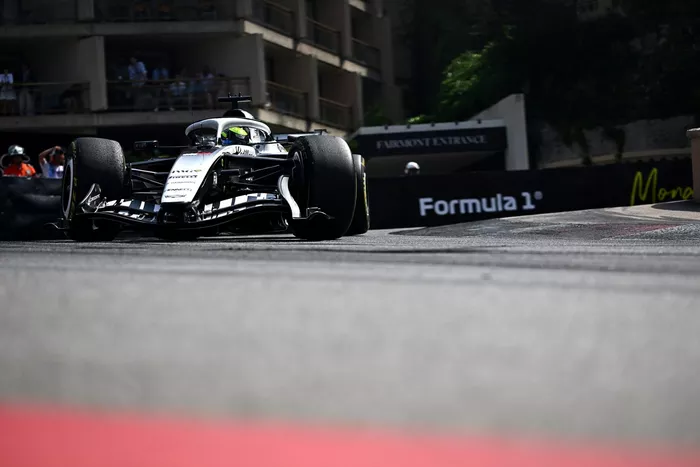
Sergio Pérez was investigated after a starting procedure infringement before the Hungarian Grand Prix.
Why FIA Chose Not to Penalize Pérez
Although stewards confirmed that Pérez had violated the regulations, they decided that a traditional sporting penalty was unnecessary.
According to their findings, Pérez explained that he was focused on reaching the pit exit traffic lights in time and did not realize he had overtaken Bottas before the required line. Furthermore, because he was already starting the race from the pit lane, imposing the usual pit-lane start penalty would have had no practical effect.
Consequently, FIA officials issued only an official warning instead of adding a time penalty or another sporting sanction.
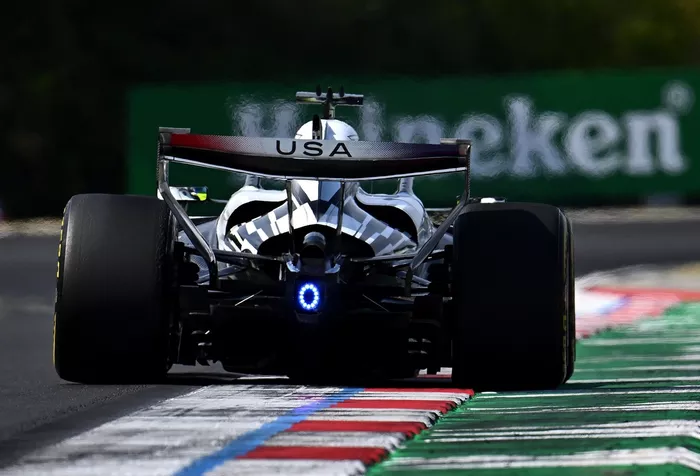
FIA stewards ruled that a warning was sufficient because Pérez had already started from the pit lane.
Another Incident in a Difficult Season
The Sergio Pérez F1 penalty discussion is nothing new in 2026.
Earlier this season, Pérez received penalties in Monaco after separate starting procedure infringements affected Cadillac’s race. Additionally, he was investigated in Austria after moving on the grid before the start, although no penalty was ultimately applied because he had already retired from the race before the stewards reached their decision.
Therefore, Hungary marks another unusual chapter in a season filled with procedural investigations involving the Mexican driver.
Pérez’s Race Ended Early Anyway
Even after avoiding a sporting penalty, Pérez was unable to finish the Hungarian Grand Prix.
A suspension issue forced the Cadillac driver to retire on lap 48, ending another frustrating weekend for both the team and the experienced Formula 1 veteran.
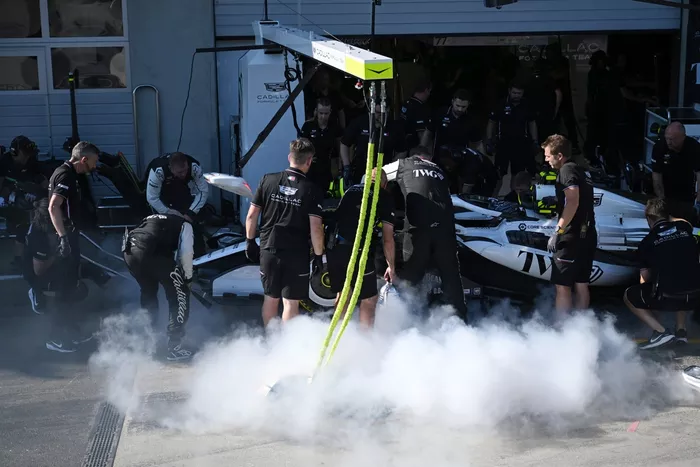
Pérez’s Hungarian Grand Prix ended with a retirement caused by a suspension problem.
Stewards Applied the Regulations to the Situation
The Sergio Pérez F1 penalty case highlights how FIA stewards evaluate each incident based on its specific circumstances.
Overall, while Pérez did commit another starting procedure infringement, officials concluded that issuing a warning was the most appropriate outcome because a conventional penalty would not have altered the way he started the race.
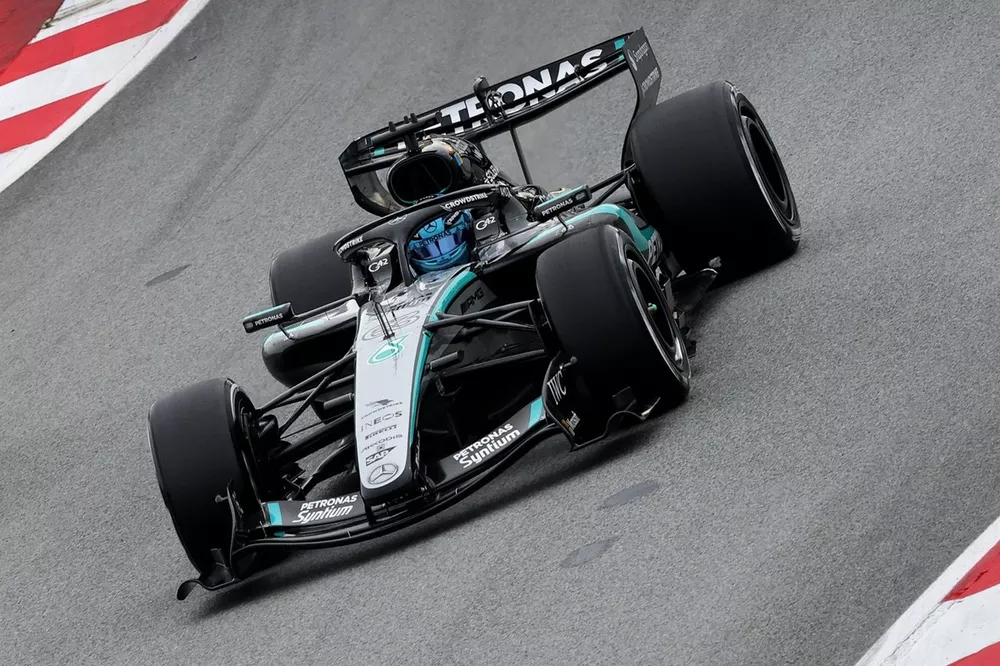
George Russell has reflected on a challenging opening half of the 2026 Formula 1 season, thanking Mercedes and the fans while insisting the team will continue pushing after the summer break.
The George Russell F1 2026 campaign has been filled with both highs and frustrating setbacks. Despite several missed opportunities during the opening half of the Formula 1 season, the Mercedes driver says he remains focused on the positives and is determined to continue fighting when racing resumes after the summer break.
Moreover, Russell believes the championship is still wide open, with plenty of races remaining and opportunities to recover.
A Strong Start Followed by Difficult Moments
Russell opened the 2026 season in impressive fashion by converting pole position into victory at the Australian Grand Prix. He also added another highlight by winning the Sprint race in China.
However, his momentum quickly changed. Mechanical issues during qualifying in Shanghai cost him another pole position, while later races brought a series of setbacks, including strategy problems, penalties, reliability issues and race-ending incidents.
As a result, Russell has often been unable to capitalize on his pace throughout the first half of the season.
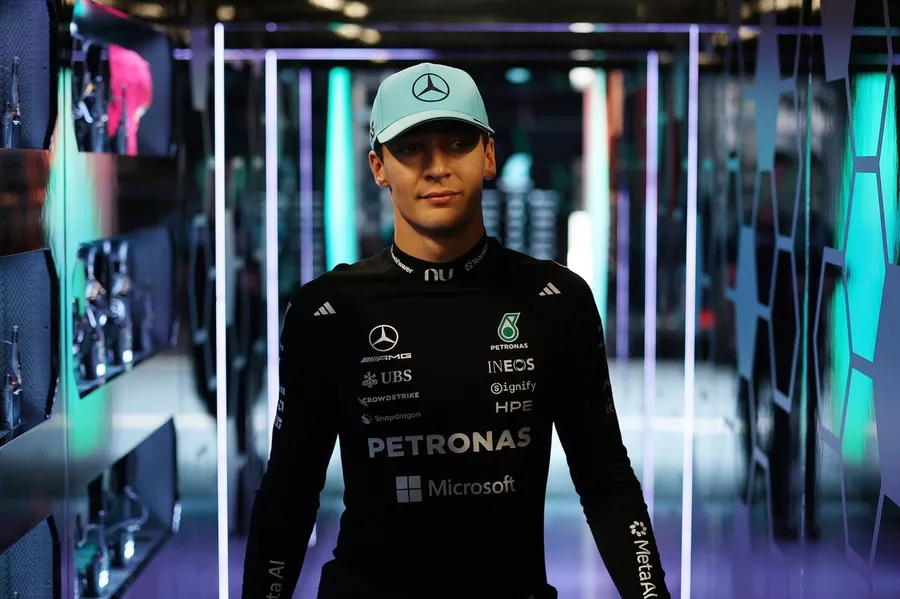
George Russell remains optimistic despite a difficult opening half of the 2026 Formula 1 season.
Mercedes Driver Refuses to Lose Confidence
Despite the challenges, the George Russell F1 2026 story remains one of determination.
Following the Hungarian Grand Prix, Russell shared a message thanking Mercedes for its hard work and expressing gratitude to the fans for their continued support. Furthermore, he emphasized that the team will keep pushing because anything can still happen before the end of the championship.
That positive mindset reflects Mercedes’ determination to improve during the second half of the season.
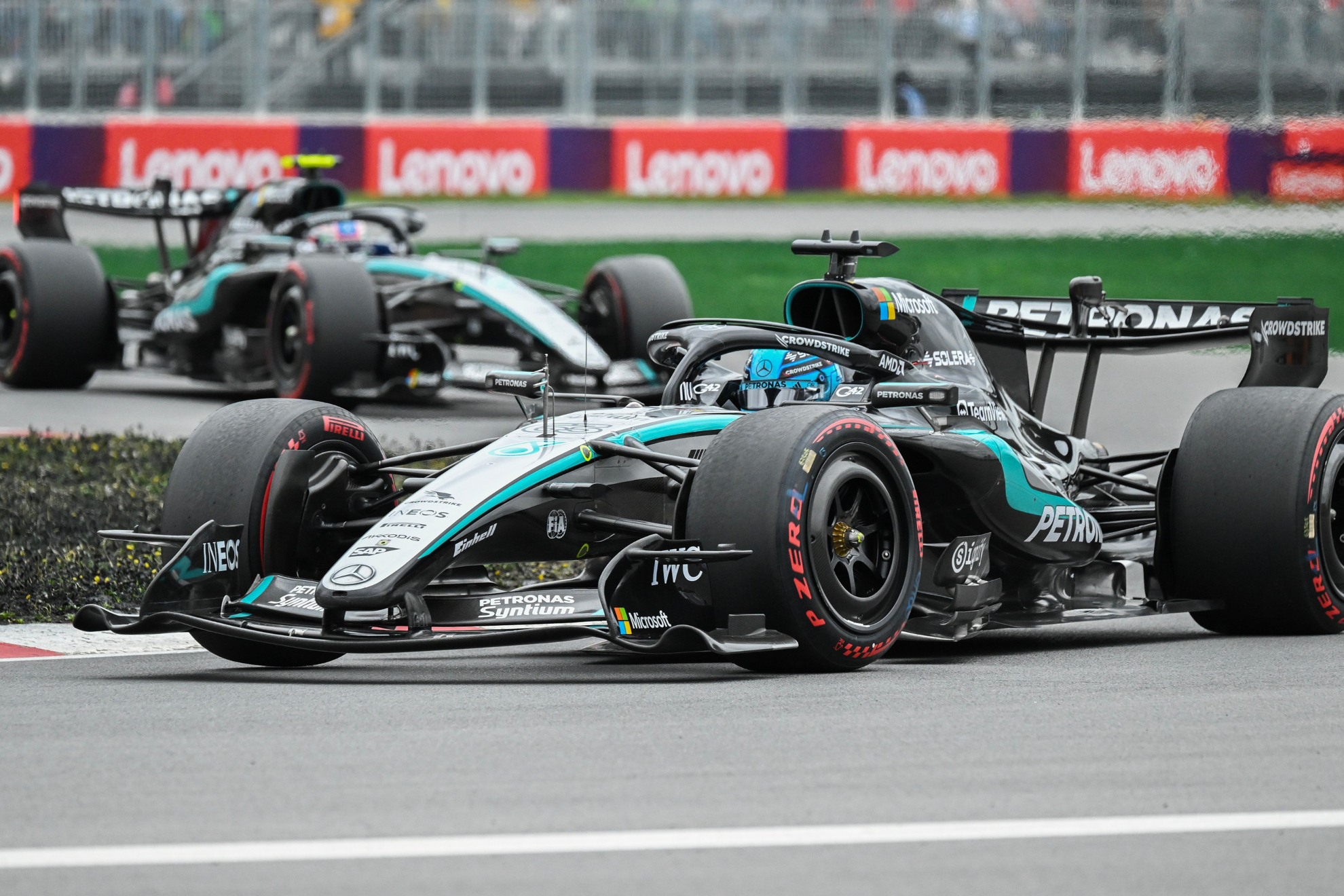
Russell thanked Mercedes and the fans while promising to keep fighting for stronger results.
Third in the Championship Despite the Setbacks
Although luck has rarely been on his side, Russell enters the summer break in third place in the Drivers’ Championship with 160 points.
He currently sits just nine points behind second place, while teammate Andrea Kimi Antonelli leads the standings after an impressive start to his sophomore Formula 1 season.
Consequently, Russell remains well positioned to challenge for higher championship positions once racing resumes.
Everything Still to Play For
The George Russell F1 2026 campaign is far from over.
Mercedes expects to continue developing the car during the second half of the season, giving Russell additional opportunities to convert his pace into stronger results. Therefore, the British driver believes consistency and perseverance will be essential in the races ahead.
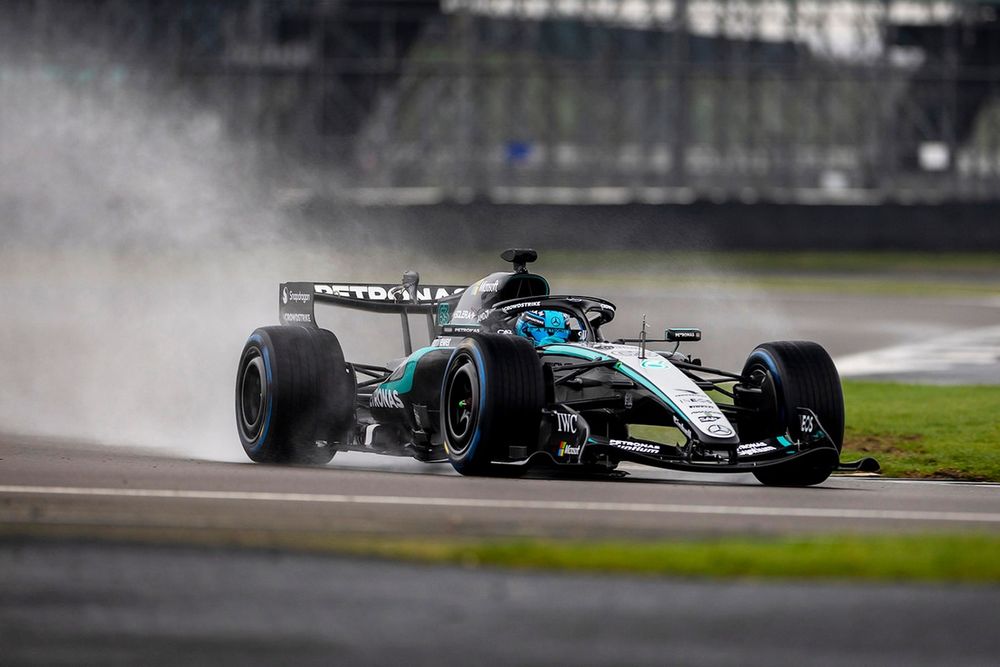
Russell heads into the summer break believing Mercedes can still fight for stronger championship results.
Russell Looks Ahead With Confidence
Although the first half of the season has included its share of disappointment, George Russell F1 2026 remains focused on the bigger picture.
Overall, the Mercedes driver is choosing optimism over frustration, convinced that the combination of hard work, continued development and remaining races can still change the outcome of his championship campaign.
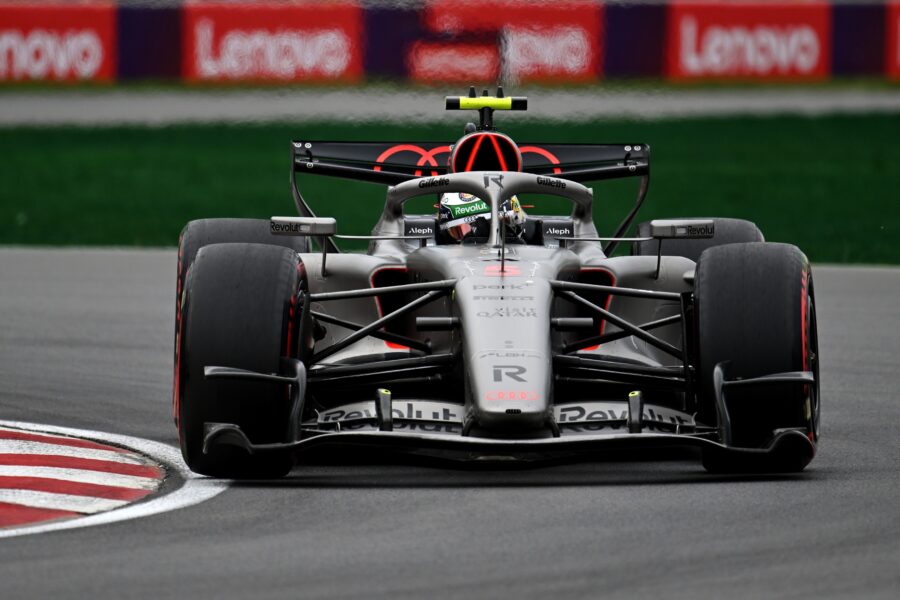
Audi has confirmed that its Formula 1 power unit will not receive another major upgrade during the remainder of the 2026 season as the manufacturer shifts its focus toward long-term development for 2027.
Audi has confirmed that its Audi F1 power unit will not receive another major hardware upgrade before the end of the 2026 Formula 1 season. Instead, the manufacturer will focus its resources on a larger development package planned for 2027.
Moreover, the decision reflects Audi’s long-term strategy as it balances performance gains with Formula 1’s financial regulations.
Budget Limits Shape Audi’s Development Strategy
Although Audi introduced an upgraded power unit package at the Spanish Grand Prix, the team has decided not to develop another major hardware update this season.
According to Audi team principal Allan McNish, the decision is driven by the championship’s cost cap. Every Formula 1 team must carefully balance spending between chassis development and power unit improvements while ensuring sufficient resources remain for future projects.
As a result, Audi believes investing in a larger upgrade for 2027 offers a better return than introducing another costly package during the current campaign.
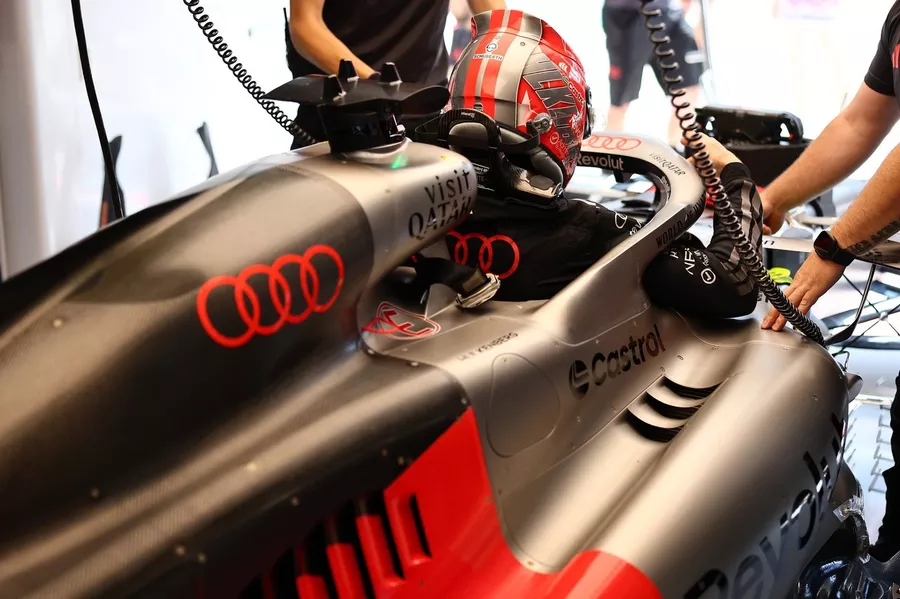
Audi is focusing its Formula 1 power unit development on a major upgrade planned for 2027.
Barcelona Upgrade Delivered Noticeable Progress
The Audi F1 power unit received its first significant update during the Spanish Grand Prix.
Rather than increasing outright performance, the package focused on improving driveability. According to Nico Hülkenberg, the revised power unit delivered smoother power delivery and better throttle response, addressing one of the biggest weaknesses of Audi’s package earlier in the season.
Furthermore, Audi’s recent progress has been reflected in its results. The team has scored points in each of the last three races, allowing it to move ahead of Williams in the Constructors’ Championship.
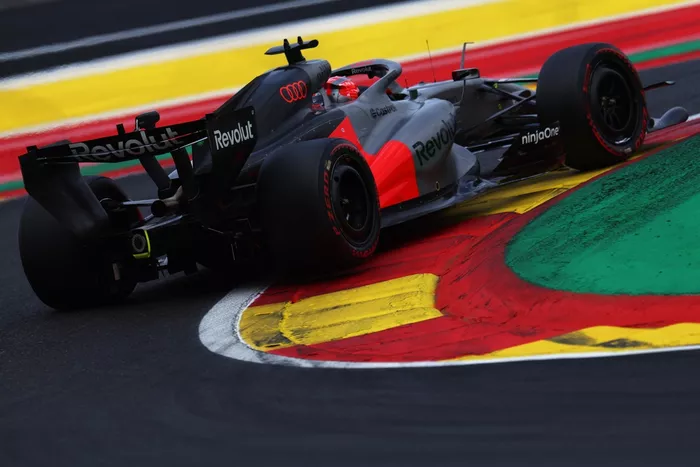
Audi’s Barcelona upgrade improved driveability and helped the team make consistent progress.
Why Driveability Matters in Formula 1
Hülkenberg explained that improving a power unit involves much more than increasing horsepower.
The way torque is delivered, throttle response and gearshift quality all influence how drivers control the car at the limit. Additionally, smoother power delivery makes it easier to accelerate out of corners while maintaining balance and maximizing grip.
Consequently, even subtle improvements can translate into valuable lap time during a Formula 1 race.
Audi Is Already Looking Toward 2027
Audi has made it clear that its next major Audi F1 power unit upgrade will focus on new hardware scheduled for the 2027 season.
Meanwhile, the team will continue developing its chassis throughout the remainder of 2026 while extracting additional performance from its existing engine package through setup optimization and software refinements. Therefore, fans should not expect another significant hardware change before next year.
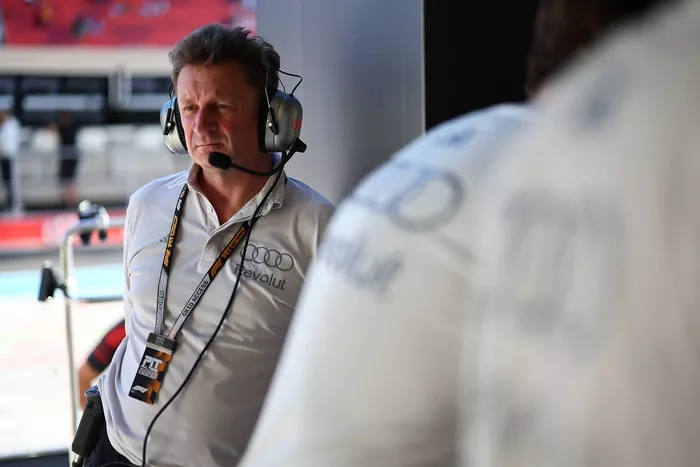
Audi will continue chassis development while preparing its next major power unit upgrade for 2027.
Long-Term Planning Takes Priority
Audi’s decision highlights the reality of modern Formula 1 development under strict financial regulations.
Overall, by postponing major power unit upgrades until 2027, the manufacturer aims to maximize its long-term competitiveness instead of pursuing short-term gains during the remainder of the 2026 season.
-

 TEST DRIVES2 months ago
2026 Subaru Outback Touring
-
 TEST DRIVES2 months ago
Lamborghini prepares multiple launches for 2026 as electrification plans continue
-
 INTELLIGENT MOBILITY1 month ago
2026 Cadillac Escalade IQL Redefines Luxury In The Electric SUV Segment
-
 RACING2 months ago
Barcelona-Catalunya Grand Prix: Everything You Need To Know About Formula 1’s Ultimate Benchmark Circuit
-
 RACING2 months ago
George Russell Leads Final Barcelona Practice As Kimi Antonelli Receives Reprimand
-
 RACING2 months ago
Why Formula 1 Has Pit Lane Speed Limits And How They Are Measured
-
 NOW TRENDING2 months ago
Porsche Creates A Buzz Lightyear-Inspired 911 GT3 RS That Looks Ready To Go “To Infinity And Beyond”
-
 NOW TRENDING2 months ago
2026 Audi Q7 Brings New Design, Smarter Technology, And Greater Versatility
You must be logged in to post a comment Login