
The legend of the Porsche 911 lives on and is reinvented with the launch of the new 911 Carrera GTS, a model that not only maintains the essence of its predecessor but elevates it to new heights. This iconic vehicle is the first in the range to incorporate a high-performance hybrid system, offering a perfect balance between speed and efficiency to meet the demands of those passionate about speed and technology.
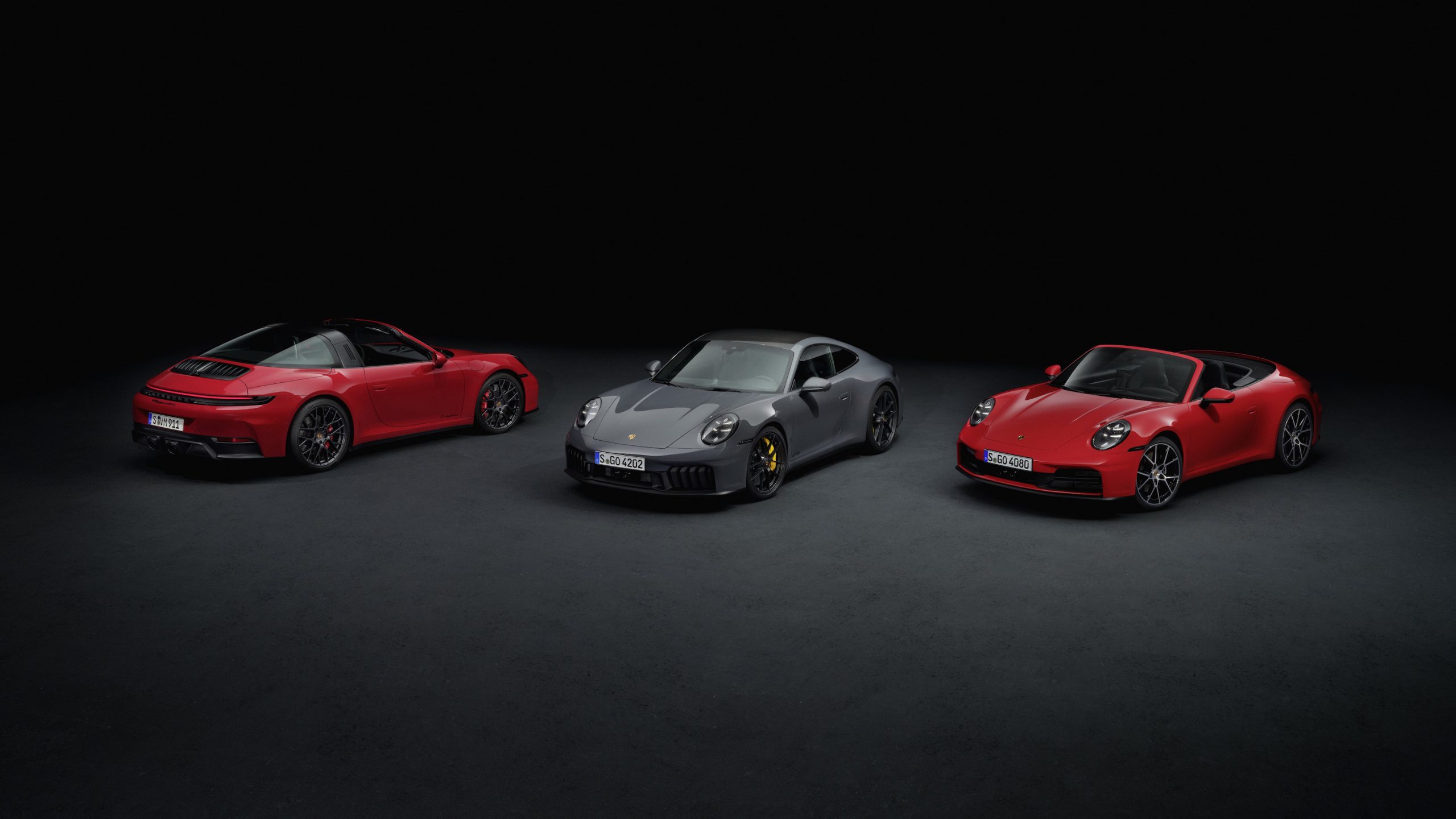
Power That Inspires
The new 911 Carrera GTS is equipped with an innovative 3.6-liter engine that has been carefully evolved to deliver superior performance. The combination of a 3.0-liter boxer engine and a lightweight hybrid system not only boosts acceleration but also sets a new standard in energy efficiency. With an acceleration from 0 to 62 mph in just 3.0 seconds and a top speed of 194 mph, this vehicle is designed to provide an unparalleled driving experience.
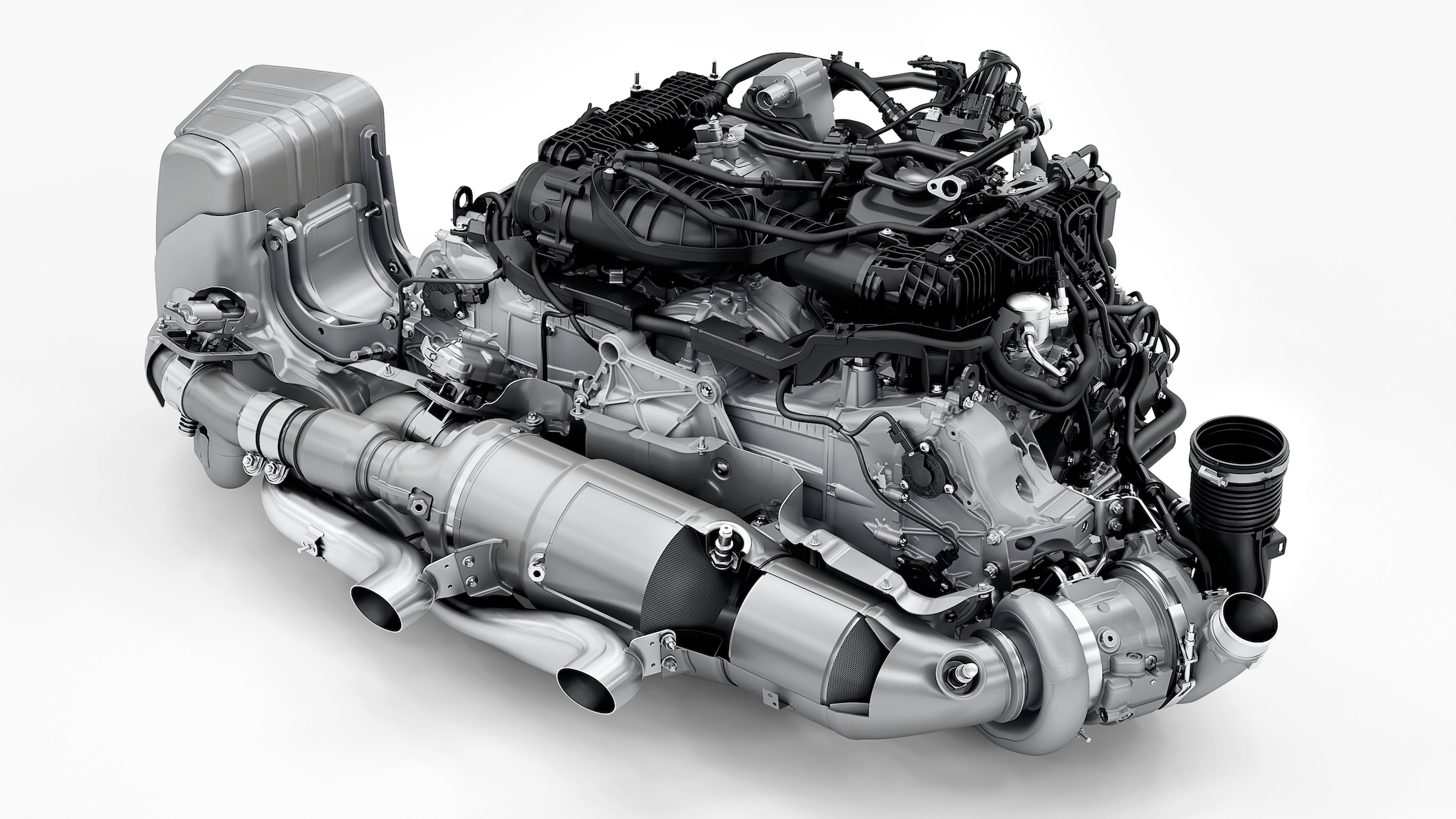
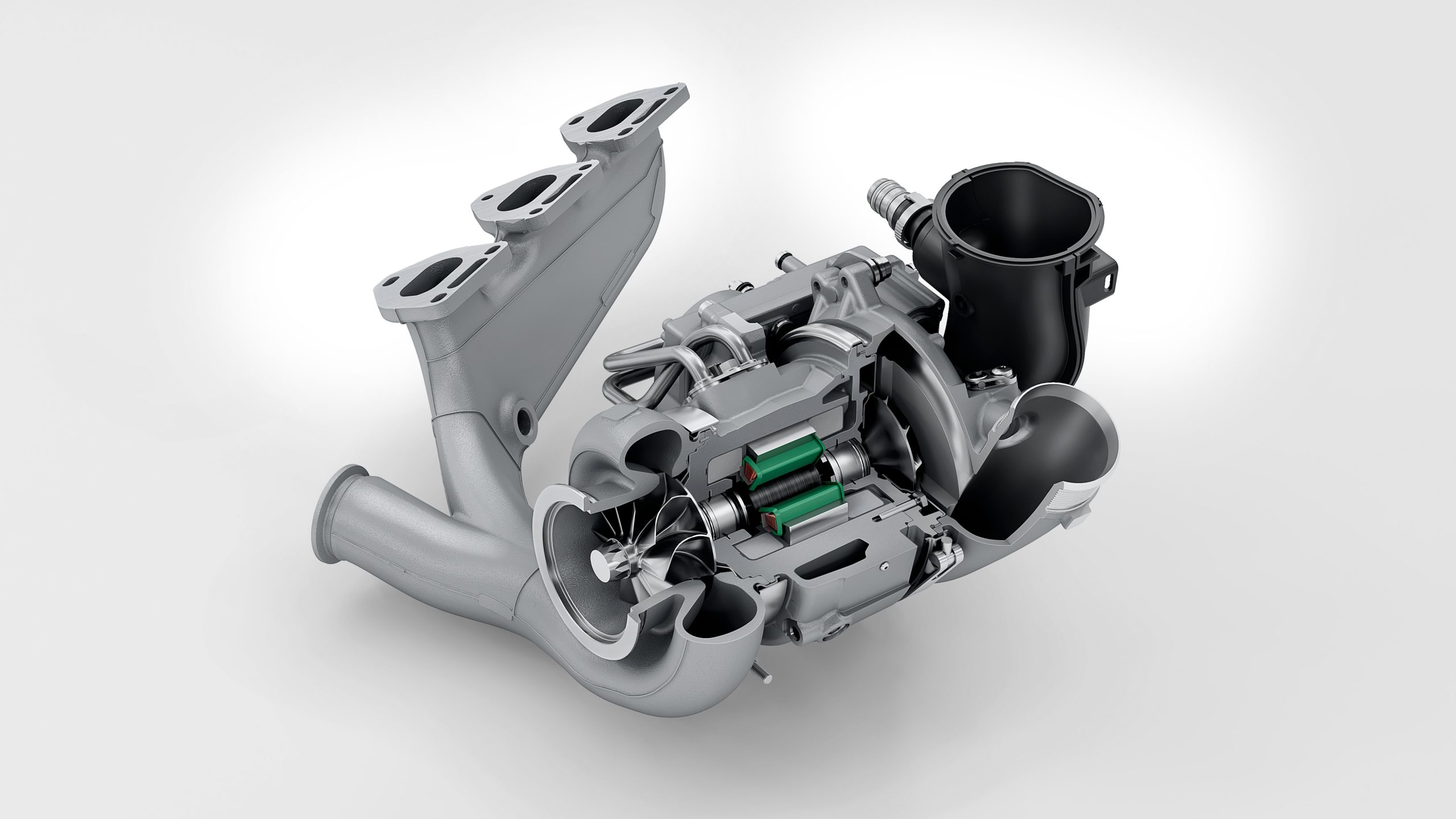
The inclusion of the T-Hybrid system, inspired by motorsport, is a testament to Porsche’s dedication to innovation. The system features an electric turbocharger that enhances engine response and efficiency, providing an additional boost of up to 54 hp. This technology not only improves performance but also reduces CO2 emissions, reflecting Porsche’s commitment to a more sustainable future.
A Design That Seduces
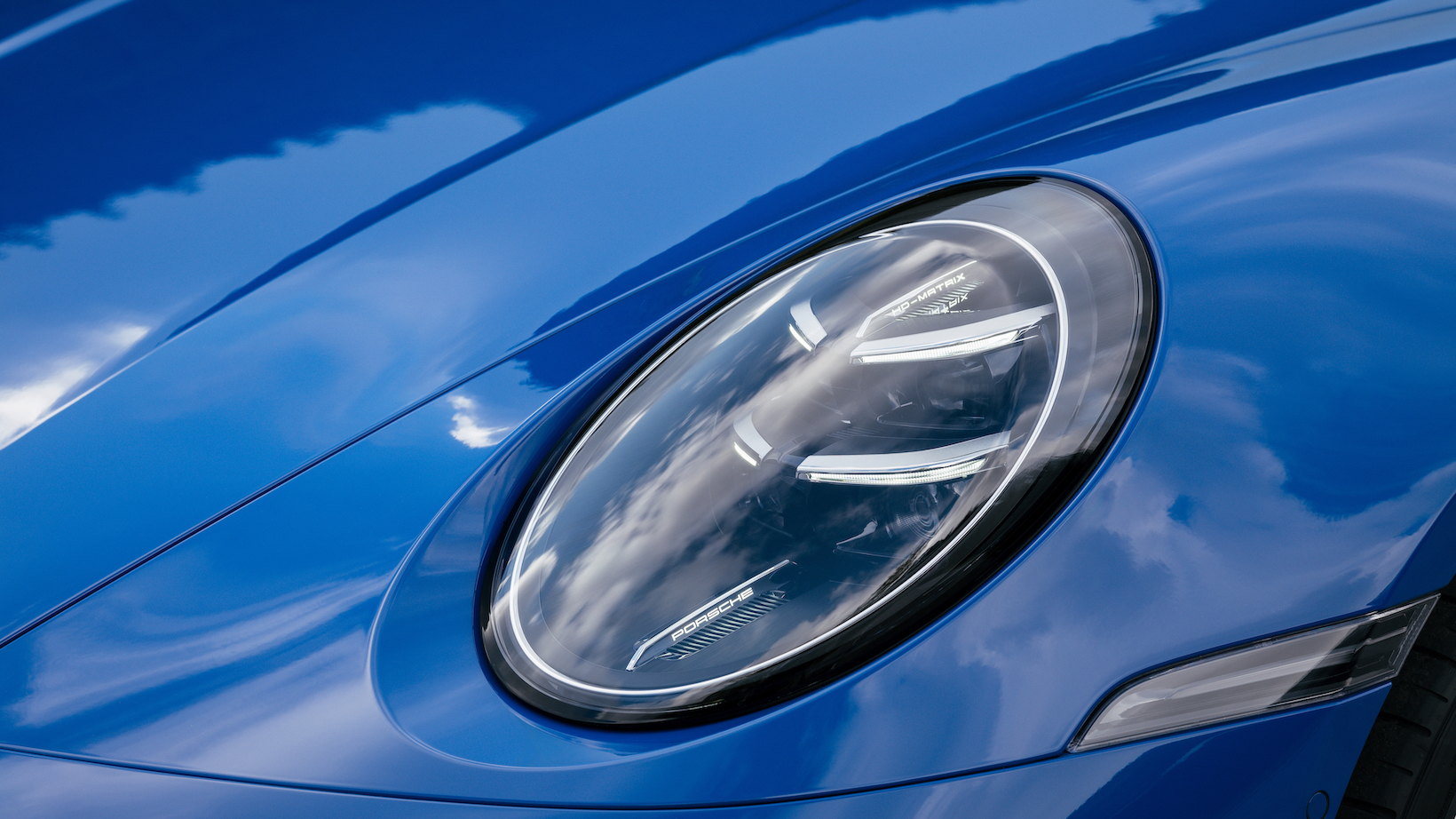
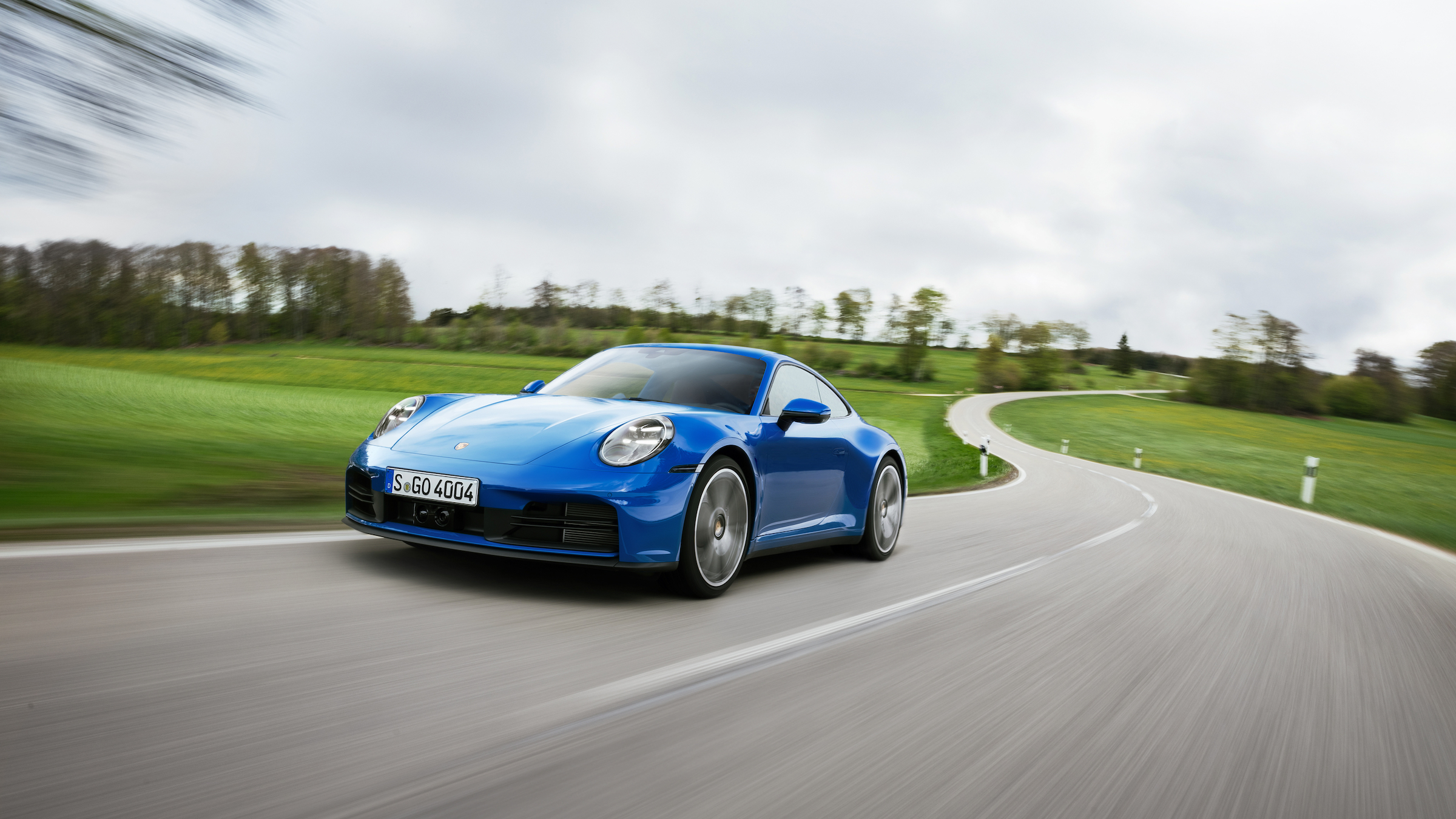
The design of the new 911 Carrera GTS is a masterpiece of engineering and aesthetics. With an improved aerodynamic exterior, the vehicle not only looks impressive but also offers optimized performance on the road. The new exclusive design wheels and Matrix LED headlights integrate functionality and style, making the 911 stand out in any environment.
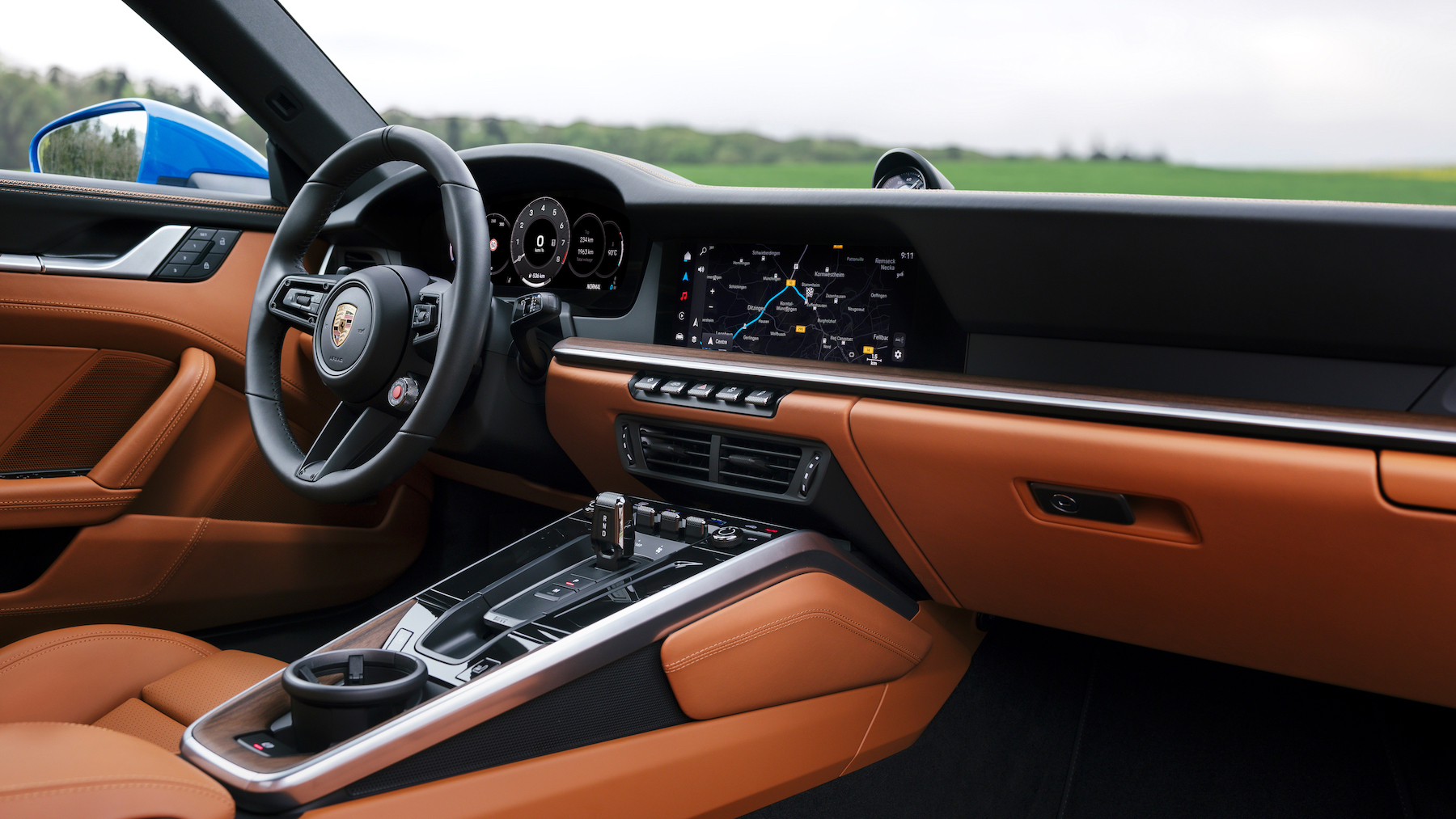
The vehicle’s interior has been completely modernized, offering a driving environment that combines luxury and cutting-edge technology. The new 12.6-inch digital display allows for complete personalization, while the Porsche Communication Management (PCM) system has been enhanced to offer unprecedented connectivity. With features like Apple CarPlay® and inductive charging capabilities, the new 911 perfectly adapts to the needs of the modern driver.
Performance and Personalization
With the new 911 Carrera GTS, Porsche has not only revamped its design but also optimized its suspension and aerodynamics. Rear axle steering is now standard, enhancing stability and maneuverability. Additionally, customization options allow customers to tailor their vehicle to their tastes and needs, ensuring a unique driving experience.
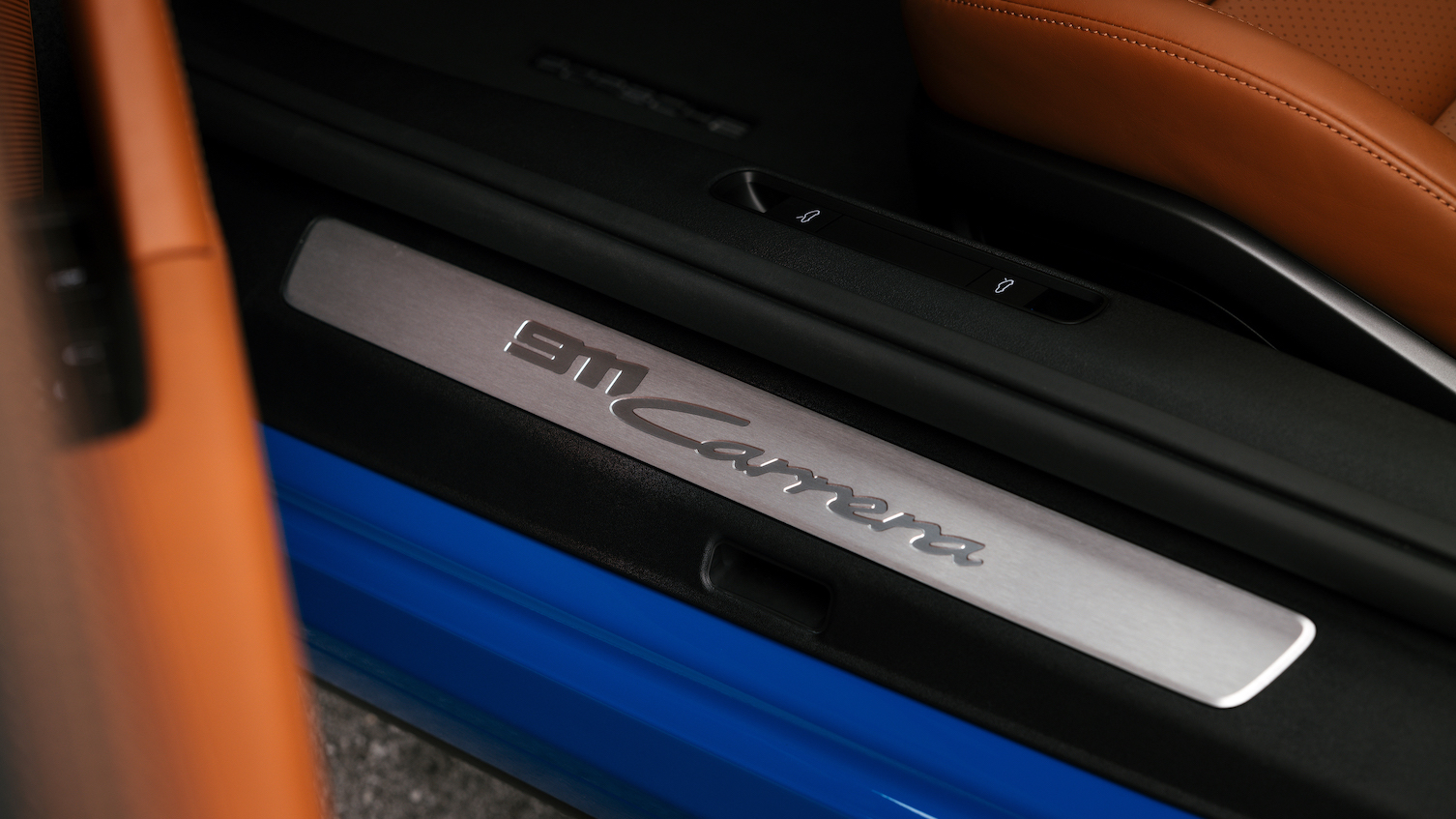
The new 911 range also includes the Carrera model, which retains its 3.0-liter boxer engine and offers improved performance over its predecessor. With acceleration from 0 to 62 mph in 4.1 seconds, the Carrera remains an attractive option for those seeking a high-performance sports vehicle.
A Promising Future
The new 911 range, including both the Carrera and Carrera GTS, represents Porsche’s ongoing commitment to innovation and performance. “Our product portfolio is younger and more attractive than ever,” says Oliver Blume, President of Porsche AG, highlighting the brand’s dedication to providing its customers with exclusive and personalized driving experiences.
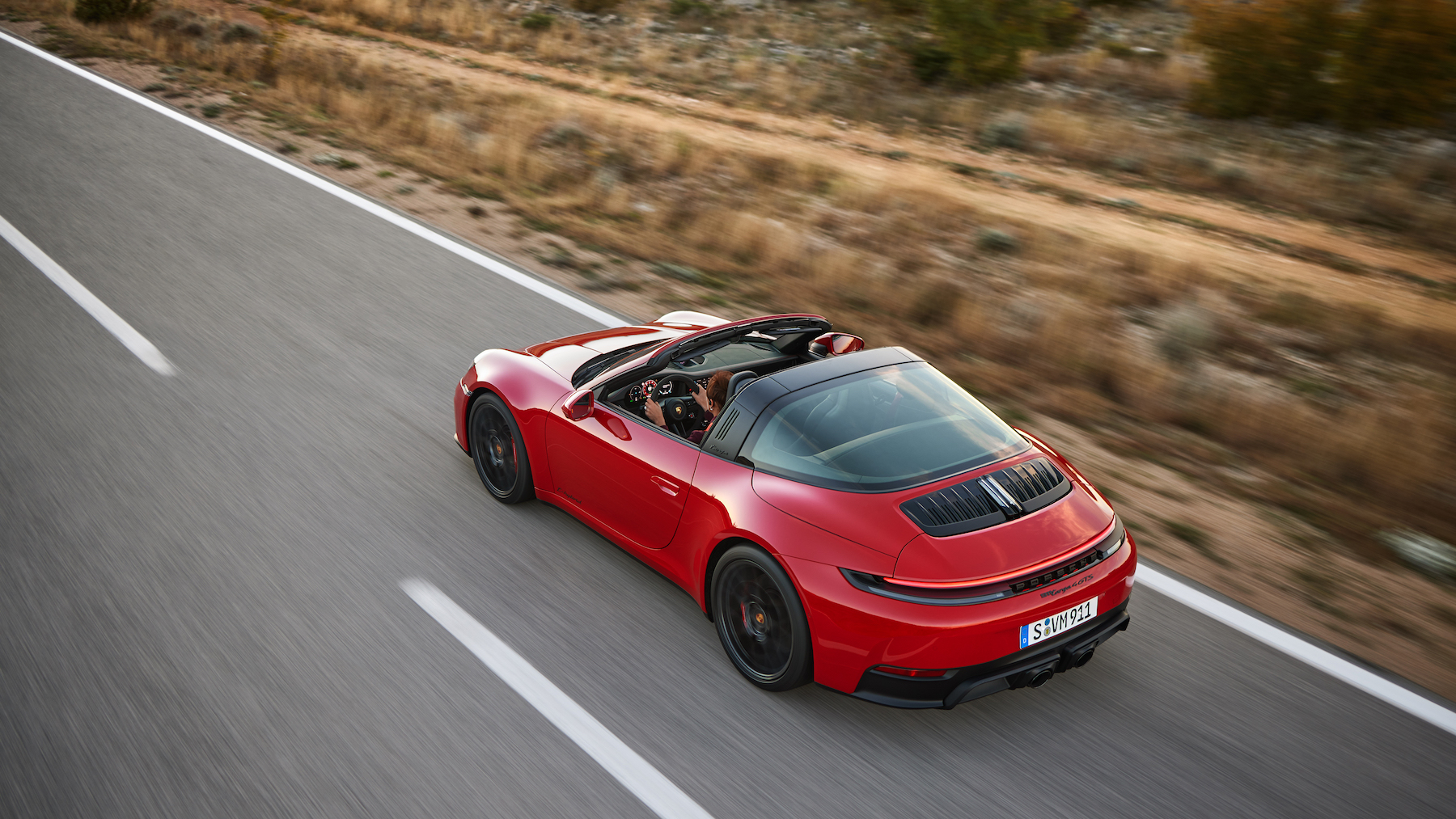
With prices starting at $164,000 for the 911 Carrera and going up to $245,000 for the 911 Targa 4 GTS, Porsche offers a range of options that cater to different tastes and budgets. Deliveries are scheduled to begin in late summer for the Carrera and late 2024 for the Carrera GTS, marking the beginning of a new era for the iconic 911.
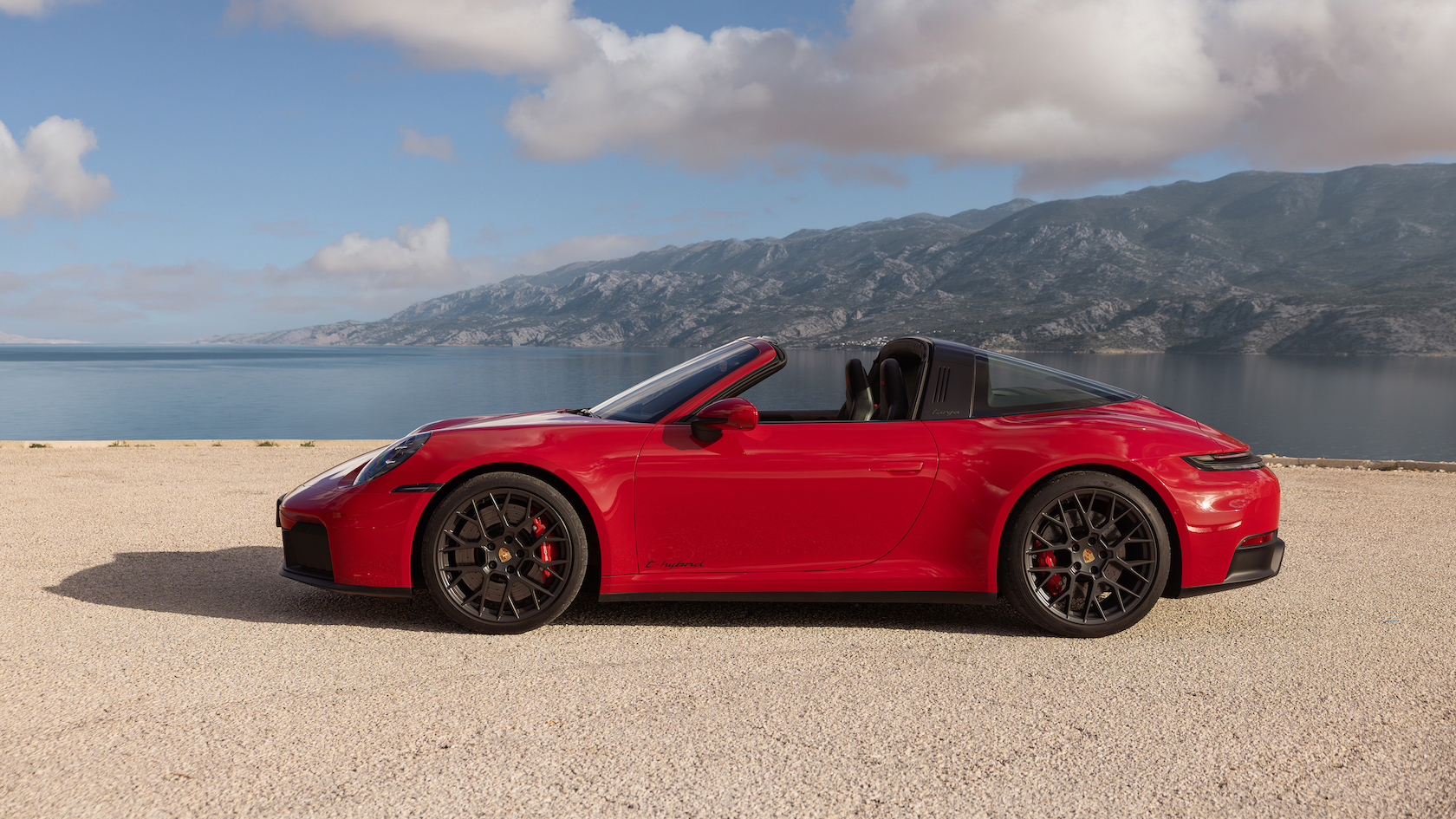
In summary, the new Porsche 911 Carrera GTS is a testament to the innovation and performance that have defined Porsche for decades. With its combination of elegant design, advanced technology, and exceptional performance, this vehicle promises not only to meet but exceed the expectations of the most demanding drivers.







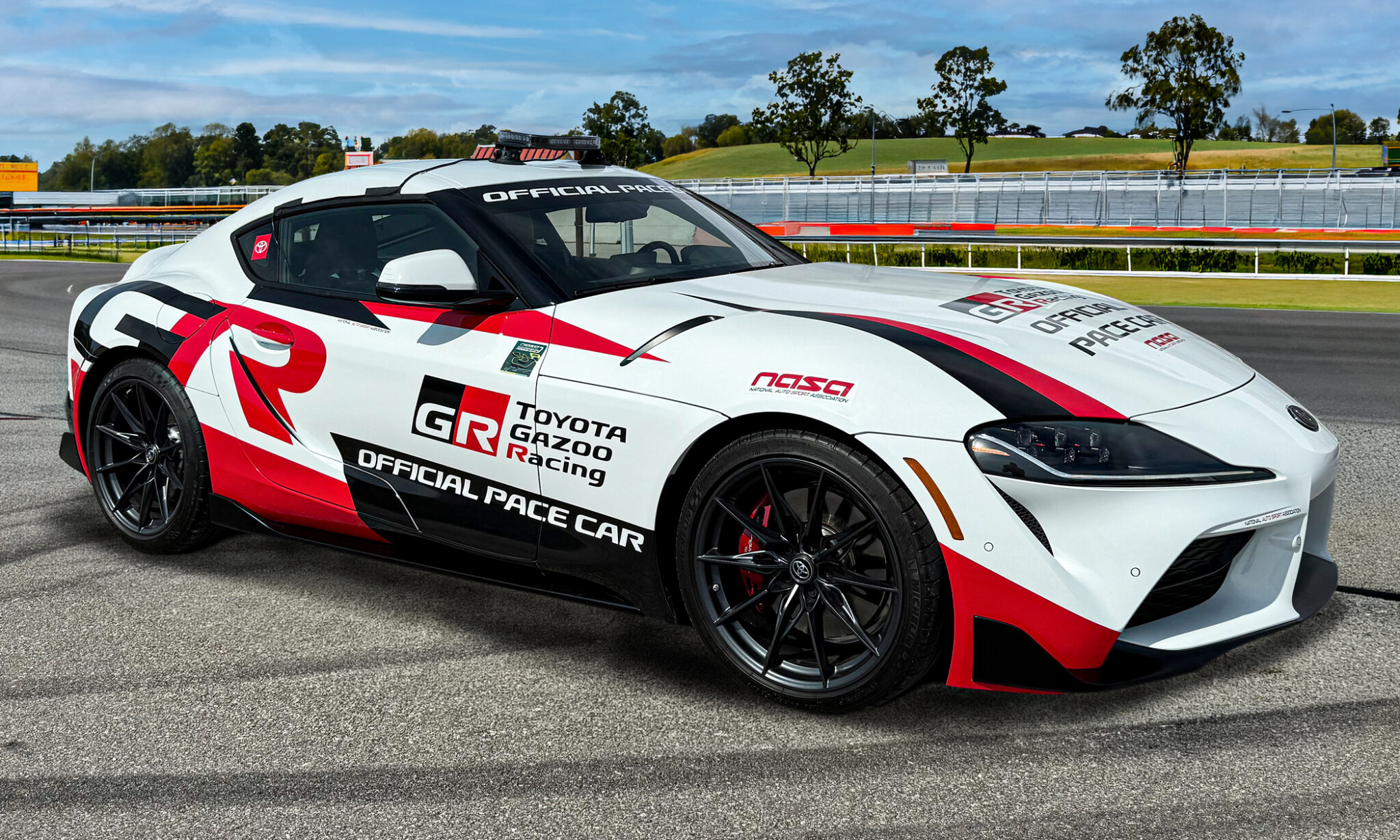
Toyota is bringing the GR Supra back as the official pace car for the 2026 NASA Championships at Sebring. The event will also mark the final model year of the fifth-generation Supra.
The 2026 Toyota GR Supra is heading back to the front of the field as the official pace car for the NASA Championships. Toyota’s sports car will lead the nation’s top amateur road racers when the event returns to Sebring International Raceway in Florida from September 24–27.
The race weekend will mark the 20th annual NASA Championships. Drivers representing 15 NASA regions will compete across multiple classes, with the national championship finales scheduled for Sunday.
For Toyota, the return of the GR Supra reinforces its continued involvement in grassroots motorsports and performance driving.
GR Supra Will Lead the Field at Sebring
The championship pace car will feature a GAZOO Racing-inspired red, white and black livery. Its job will be to lead the field during one of the biggest amateur road racing events in the United States.
Sebring provides a particularly fitting setting for the return. The historic circuit has been challenging drivers since 1950 and was constructed using the runways of a former Army Air Force training facility.
The 3.74-mile layout combines long straightaways with technical corners and a famously rough surface.

The Toyota GR Supra will serve as the official pace car for the 2026 NASA Championships at Sebring International Raceway.
The venue is also synonymous with the legendary 12 Hours of Sebring endurance race. That history makes it one of the most recognizable road racing facilities in North America.
For amateur racers competing for national titles, the circuit will provide a demanding test from the first session through the championship finals.
Toyota Continues Supporting Grassroots Motorsport
Toyota has emphasized its relationship with NASA as part of a broader effort to introduce enthusiasts to performance driving.
Every new GR sports car owner receives a complimentary one-year NASA membership. The program also includes a free High Performance Driving Event, giving owners an opportunity to experience their cars on a closed track in a controlled environment.

Toyota’s partnership with NASA gives GR sports car owners access to grassroots motorsport and performance driving events.
The program originally launched in 2019 for GR Supra buyers. It has since expanded to cover all GR sports car purchases.
That makes the pace car appearance more than a promotional exercise. It connects Toyota’s performance models directly with the enthusiasts who take them to racetracks around the country.
The Final Fifth-Generation Supra
The 2026 model year also carries added significance for the sports car itself. The GR Supra is entering its final model year for the fifth-generation car.
Under the hood, the 3.0-liter turbocharged inline-six produces 382 horsepower and 368 lb.-ft. of torque. Toyota offers the Supra in 3.0, 3.0 Premium and the limited MkV Final Edition grades.

The 2026 GR Supra uses a 382-horsepower turbocharged inline-six and marks the final model year of the fifth-generation car.
The combination of rear-wheel-drive sports car hardware and track-focused capability has helped make the GR Supra one of Toyota’s most enthusiast-oriented models.
Its role at Sebring therefore feels appropriate. The car will spend the championship weekend at a circuit where performance, precision and durability are constantly tested.
A Fitting Sendoff for the GR Supra
The 2026 Toyota GR Supra will have a prominent role at the NASA Championships just as the fifth-generation model reaches the end of its production run. Leading the field at Sebring gives the sports car another opportunity to stay closely connected to the grassroots racing community.
Moreover, the event highlights Toyota’s broader commitment to giving enthusiasts opportunities to experience performance driving beyond the street.
With its racing-inspired appearance, 382-hp turbocharged engine and final-model-year status, the GR Supra should make a fitting pace car for the 20th NASA Championships at one of America’s most historic racing venues.

George Russell believes winning the 2026 Formula 1 championship is now extremely unlikely after another difficult weekend left him 81 points behind Mercedes teammate Kimi Antonelli.
George Russell is beginning to accept that his F1 title hopes for 2026 may already be slipping away. After finishing fifth at Madring, the Mercedes driver now trails teammate Andrea Kimi Antonelli by 81 points in the championship.
The gap has grown dramatically over the last five races. Antonelli has finished ahead of Russell in each of those events, while his remarkable consistency has turned a 25-point advantage into a commanding championship lead.
Russell still believes Mercedes has a competitive car. However, after another weekend in which the final result failed to reflect his underlying pace, he admitted that his title chances are now extremely slim.
Russell Lost More Ground to Antonelli in Madrid
Russell qualified sixth at Madring and struggled to extract the maximum from his tires. He said he pushed hard through Turn 11, but the rubber simply could not cope with the demands placed on it.
His race became even more complicated after an early contact with Oscar Piastri. Although Russell appeared to escape significant damage, the Virtual Safety Car created a strategic problem that had a major impact on his afternoon.
Russell had started on the hard compound with the intention of going deep into the race. The VSC arrived on Lap 14, much earlier than Mercedes had expected.

George Russell battles for position at Madring as his Mercedes struggles to match the race pace of its main rivals.
The Virtual Safety Car Hurt Russell’s Strategy
Mercedes had expected drivers starting on mediums and softs to make their first stops around Lap 15. Russell, however, was hoping to extend his opening stint until around Lap 40.
The VSC changed everything.
Russell was one of only two drivers among the 12 starters on hard tires who stopped during the neutralization. He switched to the medium compound, only to later return to the hard tire he preferred.
“It was a very frustrating moment with the safety car,” Russell explained.
The strategy meant Russell never enjoyed the same flexibility as some of his rivals. Charles Leclerc, for example, stayed out during the VSC and delayed his stop until Lap 48.

Russell makes an early pit stop during the Virtual Safety Car, compromising the strategy Mercedes had planned for the race.
Russell still managed to apply pressure toward the end of the race. Leclerc was on fresh soft tires after his late stop, but the Ferrari driver narrowly held onto fourth place.
Russell therefore finished fifth, although he insisted the result did not accurately represent Mercedes’ actual performance.
“The Performance Was Much Better Than the Result”
Russell believes Madring produced a result that was heavily influenced by track position.
“The performance was much better than the result,” he said.
He compared the situation to Monaco, where qualifying position can often determine the outcome because overtaking opportunities are so limited.
That characteristic of Madring made Russell’s early strategic disadvantage even more difficult to overcome. Once drivers settled into position, a faster car could still struggle to complete a pass.
George Russell finishes fifth at Madring after a difficult strategy leaves him unable to recover further positions.
Antonelli Has Built a Huge Championship Advantage
While Russell endured another frustrating weekend, Antonelli continued his extraordinary run of form.
The young Italian secured his eighth victory of the season and his 12th podium in 14 races. That consistency has allowed him to stretch his advantage over Russell to 81 points.
With nine races theoretically remaining, Russell still has time to score heavily. However, the scale of the deficit means he would need a major turnaround in fortunes to put genuine pressure back on his teammate.
Russell Is No Longer Thinking About the Title
Russell was remarkably candid when asked about his championship prospects.
“I’m not going to say it’s over, but it’s very unlikely I’m still in this fight,” he admitted.
He added that he is no longer thinking about being involved in the title battle because he does not believe he currently is.
That mindset could actually change his approach for the remainder of the season. Instead of focusing on championship mathematics, Russell can concentrate on maximizing every individual weekend and trying to convert Mercedes’ pace into victories.
George Russell’s Title Fight Is Hanging by a Thread
The George Russell F1 title challenge is not mathematically finished, but the situation has become increasingly difficult. Antonelli’s consistency has given the Mercedes youngster a huge cushion, while Russell has repeatedly lost valuable points through strategy, qualifying and race circumstances.
Moreover, Russell believes the raw pace of his Mercedes remains stronger than his recent results suggest. The problem is turning that performance into finishes that can consistently close the gap.
For now, his approach is simple: take the season one race at a time and try to win as many Grands Prix as possible. The championship may be slipping away, but Russell still has nine opportunities to change the story.
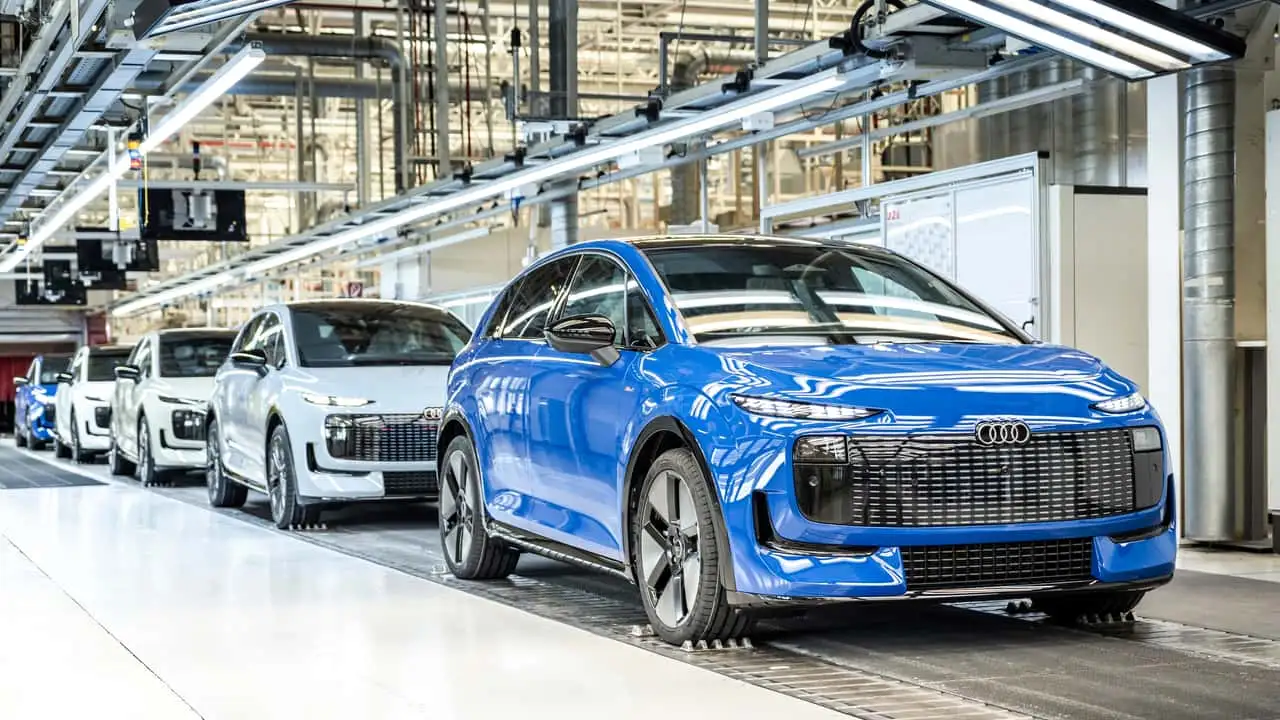
Audi says the A2 e-tron reached production 21 months faster than its previous vehicle programs. The secret was not adding engineers, but simplifying the car and rethinking how it is built.
The Audi A2 e-tron development program shows how a traditional automaker can dramatically shorten the path from concept to production. Audi says its new entry-level electric car reached production 21 months faster than previous vehicle projects.
That is a significant reduction for a company accustomed to development cycles of roughly five to seven years for a new model. The A2 e-tron is already being built at Audi’s Ingolstadt plant in Germany.
The key was not hiring a larger engineering workforce. Instead, Audi simplified the vehicle, reduced manufacturing complexity and made greater use of equipment already available at the factory.
Audi Simplified the A2 e-tron From the Start
According to Audi, the production preparation process benefited from lessons learned through previous vehicle launches. The company was able to reach production maturity earlier during the pre-series phase.
One of the biggest changes involved reducing the number of production-relevant parts. Fewer components mean less complexity on the assembly line and less logistical space required inside the factory.
Audi also reduced the number of vehicle versions and expanded its use of existing production equipment.

The Audi A2 e-tron is already entering production at the automaker’s Ingolstadt plant in Germany.
That combination allowed Audi to make the manufacturing process more efficient without completely redesigning the factory around the new model.
The approach also reflects a broader shift within the traditional auto industry. Carmakers are increasingly looking for ways to move new vehicles from development to production more quickly while keeping costs under control.
A New Production Strategy Comes to Ingolstadt
Audi is also introducing a production method at Ingolstadt called the “pearl chain” principle. The system had previously been implemented at the company’s Neckarsulm facility.
Under this approach, customer orders are processed in their exact production sequence six days before assembly begins.
That gives suppliers a much clearer view of what parts will be needed and in what order. Components can then be produced and shipped according to the sequence of vehicles moving through the factory.

Audi is using a new production sequencing system at Ingolstadt to better coordinate suppliers and vehicle assembly.
The benefit is greater synchronization between the supply chain and the production line. Instead of suppliers simply delivering large quantities of parts, the system aligns shipments more closely with the actual vehicles being built.
That can reduce logistics complexity while keeping the assembly process moving more consistently.
Audi Did Not Need More Engineers
The speed of the Audi A2 e-tron development program is particularly notable because the company says the answer was not simply increasing engineering resources.
Instead, Audi focused on simplifying the product and the manufacturing process. Reducing parts and vehicle configurations helped make both production planning and factory logistics easier.
Siegfried Schmidtner, head of Audi’s Ingolstadt plant, said the project benefited from the experience gained through numerous previous launches. That knowledge helped the team optimize the processes needed to bring the new model into production.

The A2 e-tron program focuses on manufacturing efficiency and process improvements rather than simply adding more engineering resources.
The A2 e-tron Shows How Audi Is Changing Its Development Process
The contrast with Audi’s previous programs is significant. A separate low-volume sports car project reportedly moved from approval to showrooms in around 30 months, highlighting how difficult it has traditionally been for automakers to compress development timelines.
With the A2 e-tron, Audi took a different route. The emphasis was placed on fewer parts, fewer configurations, existing factory equipment and tighter coordination between suppliers and production.
As a result, the automaker says the new electric model reached production preparation 21 months faster than previous vehicle projects.
Audi’s Shortcut Was Simplification
The Audi A2 e-tron development program offers a clear lesson for traditional automakers: faster development does not necessarily require more people or more resources.
Instead, Audi reduced complexity wherever possible and connected the engineering, factory and supply-chain processes more closely.
Moreover, putting the “pearl chain” production method into practice at Ingolstadt gives the plant another tool for keeping manufacturing synchronized from the moment an order is placed.
The A2 e-tron therefore represents more than a new electric Audi. It also serves as an example of how the company is trying to make its development and production systems faster, leaner and more efficient.
-

 TEST DRIVES2 months ago
2026 Maserati MCPura Cielo
-

 NOW TRENDING2 months ago
2027 Range Rover GT Debuts as the Brand’s Lowest EV
-
 NOW TRENDING2 months ago
Mercedes-AMG Admits the C63 Hybrid Was a Mistake for Buyers
-

 INTELLIGENT MOBILITY2 months ago
2027 Toyota Crown Gets New Hybrid System and Fresh Design
-

 NOW TRENDING2 months ago
Next-Gen Cadillac CT5-V Blackwing Could Keep the V8 Alive
-
 NOW TRENDING2 months ago
Honda Civic Si Production Ends After 2026 Model Year Pause
-
 NOW TRENDING2 months ago
Rolls-Royce’s $32 Million Droptail Took 9 Months of Handcrafted Woodwork
-
 NOW TRENDING2 months ago
2027 Toyota Sequoia Adds Trailhunter Package and New Tech
You must be logged in to post a comment Login