
The C3 Corvette Stingray remains an iconic American classic, combining style, history, and performance that captivates collectors and car enthusiasts alike.
The third-generation Corvette (C3) was produced from 1968 to 1982, with over 540,000 units sold, making it the longest-running production Corvette in history. Inspired by the Mako Shark II concept, the front-engine design retained the sleek Coca-Cola bottle shape, featuring retractable headlights and clean lines that earned it the “Stingray” nickname. However, the 1968 model had some unique quirks, including a non-adjustable oversized steering wheel, dashboard-mounted ignition key, push-button door handles, and narrow 7-inch wheels, which were corrected for the 1969 model, marking a gradual design evolution.
Design Evolution and Engine Performance
In the early 1970s, Chevrolet made significant updates. By 1970, the C3 featured a new grille, redesigned side vents, rectangular exhaust outlets, and fender extensions for paint protection. Engines grew from a small-block 350 cubic inches in 1969 to a big-block 454 cubic inches in 1970, with power levels comparable to late-1960s models. Mid-decade federal safety regulations prompted the adoption of urethane bumpers painted to match the fiberglass body, preserving the Corvette’s iconic look while complying with standards.
Luxury, Safety, and the Disco Era Challenges
Between 1975 and 1980, the Corvette’s legendary performance was impacted by environmental regulations, rising fuel costs, and insurance premiums. Base L48 350-cubic-inch engines produced just 165 horsepower, while luxury options such as air conditioning, leather seats, and power windows became increasingly common. The convertible body temporarily disappeared, though it would return in the C4 generation in 1986.

Facelifts and Special Editions
In 1978, the C3 celebrated its 25th anniversary with a major refresh, including a new fastback rear window and modernized interior. That year also saw the creation of the Pace Car Edition, featuring a black-over-silver paint scheme with red stripes and only 6,502 units produced. Equipped with the optional L82 V8 engine, the 1978 Pace Car generated 220 horsepower and accelerated from 0-60 mph in 6.6 seconds, ranking it among the fastest American cars that year. In 1982, Chevrolet introduced the Collector Edition, with a distinctive silver-beige finish, multi-tone leather interior, and a base price above $22,500, marking a fitting end to the C3 era.
Current Values and Lasting Legacy
Today, C3 Corvette values vary widely. Early 1968-1972 models with chrome bumpers and big-block engines can fetch three to four times more than later-year C3s, while 1974-1982 models remain accessible, priced between $10,000 and $15,000, ideal for beginner collectors. The combination of iconic styling, classic performance, and removable roof panels makes the C3 Corvette a desirable car to drive, enjoy, and collect, solidifying its place as a timeless American muscle car.











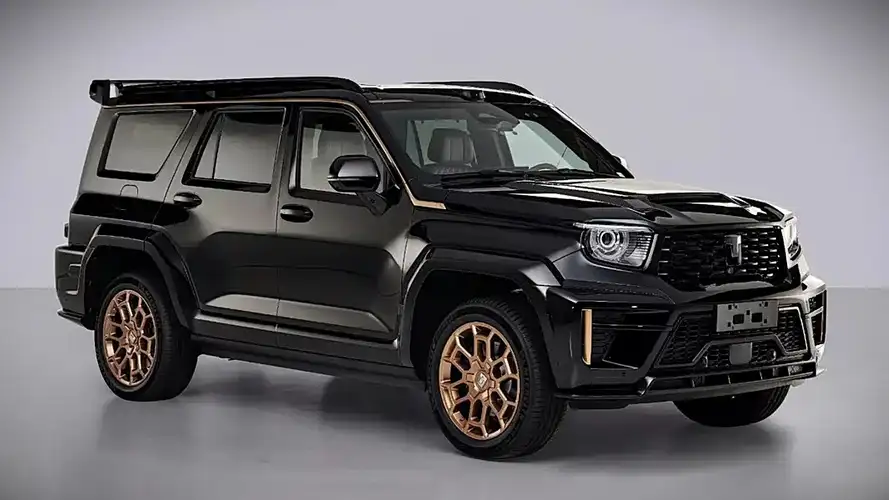
GWM is expanding its flagship Tank 700 with a long-wheelbase version that adds 13.4 inches, six seats and a more luxurious 2+2+2 cabin layout.
The GWM Tank 700 LWB is shaping up to be one of the largest luxury SUVs in China. According to filings with China’s Ministry of Industry and Information Technology, the long-wheelbase version stretches to 214.4 inches and rides on a 124-inch wheelbase.
That makes it 13.4 inches longer than the regular Tank 700. The extra length also allows GWM to introduce a new six-seat configuration with two individual captain’s chairs in the second row.
The result is a three-row 2+2+2 layout aimed squarely at buyers who want maximum space and a more premium passenger experience.
Tank 700 LWB Takes Aim at the Yangwang U8L
The dimensions place the Tank 700 LWB directly against BYD’s huge Yangwang U8L. That flagship measures 212.6 inches long, giving the GWM an additional 1.8 inches of overall length.
However, the Tank remains lighter. Depending on configuration, the long-wheelbase SUV weighs between 7,487 and 7,672 pounds, while the Yangwang U8L is listed between 7,926 and 8,023 pounds.
That difference could have a meaningful impact on how the two SUVs ride, handle and use their available power.
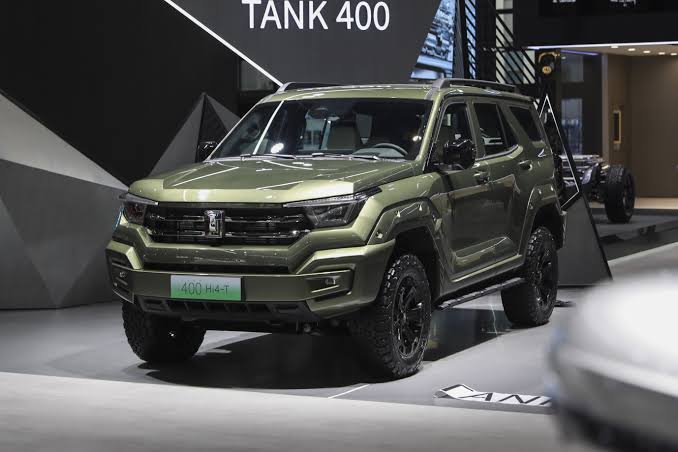
The GWM Tank 700 LWB grows significantly over the standard model and adds a six-seat luxury configuration.
The new seating arrangement may be just as important as the additional length. Instead of a traditional three-person second row, the LWB model uses two captain’s chairs, creating a more upscale cabin layout.
That should make the second row a more attractive place for passengers who prioritize comfort and personal space.
Bigger Does Not Mean Better at Towing
Despite its enormous size and substantial weight, the Tank 700 LWB does not set a new benchmark for towing capacity.
The MIIT filing lists a maximum braked towing capacity of 2,500 kilograms, or roughly 5,512 pounds. Interestingly, that is lower than the smaller Tank 500, which is rated to tow up to 3,000 kilograms.
That could limit the appeal of the longer model for buyers who want a luxury SUV that also serves as a serious towing machine.
Meanwhile, the Tank 700’s sales performance may explain why GWM is expanding the lineup. Domestic deliveries of the regular Tank 700 Hi4-T fell to 2,003 units in July from 2,515 in June and 2,628 in May.
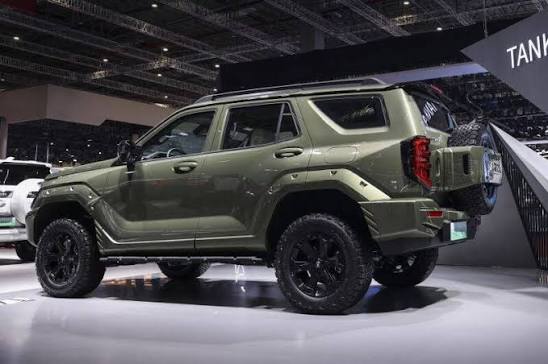
The Tank 700 LWB offers substantial size and luxury, but its towing rating trails the smaller Tank 500.
The additional seating and larger dimensions could therefore help GWM attract buyers who were not previously interested in the standard Tank 700.
Two Powertrains Give Buyers a Choice
GWM is expected to offer the long-wheelbase Tank 700 with both plug-in hybrid and gasoline power.
The Hi4-Z plug-in hybrid setup uses a 2.0-liter turbocharged engine alongside a 59-kWh battery. However, GWM has not yet published a confirmed combined output figure for the LWB model.
Reports surrounding the broader Hi4-Z system have referenced an electric-only range of around 118 miles under the WLTC test cycle. However, that figure has not been officially confirmed for the Tank 700 LWB specifically.
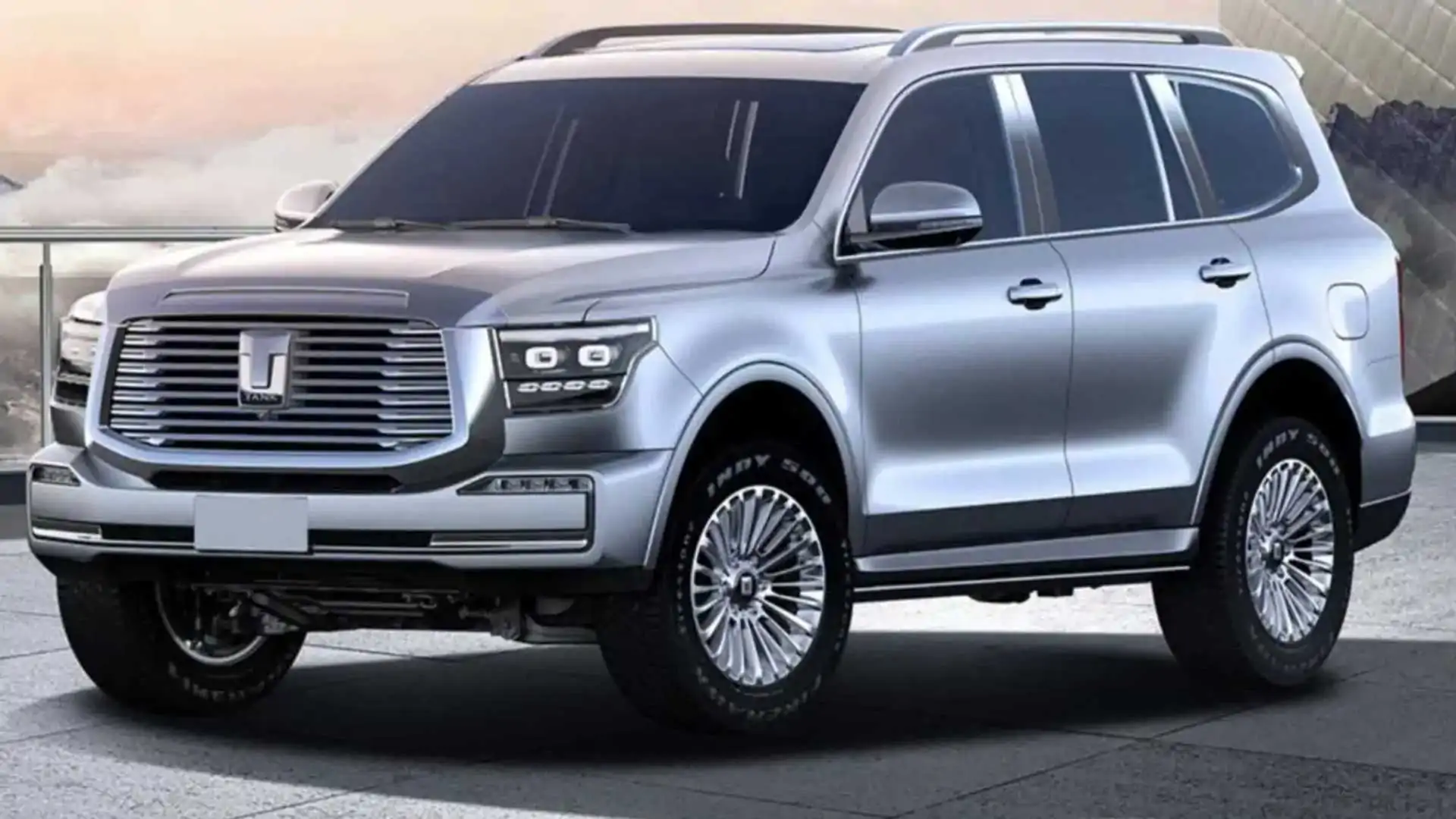
The Tank 700 LWB is expected to offer both plug-in hybrid and twin-turbo V6 powertrains.
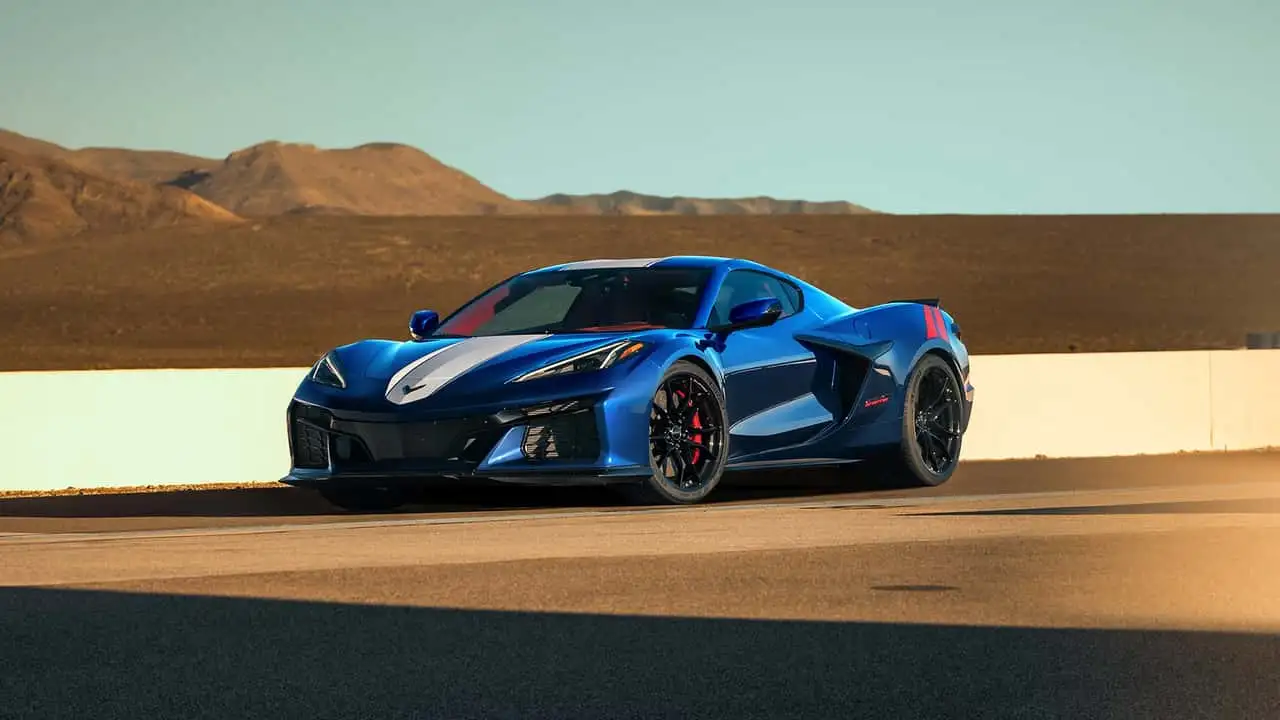
Chevrolet Corvette Grand Sport buyers are showing a clear preference for Admiral Blue, while the rare Roswell Green stands out as the most exclusive choice.
The Corvette Grand Sport is already attracting plenty of attention from buyers, and early production data reveals a clear favorite when it comes to exterior color. Of the 2,652 Grand Sport models built so far, 837 were finished in Admiral Blue.
That represents nearly 32% of total production, giving Admiral Blue a commanding lead over every other available color. The remaining choices are far more evenly distributed.
Arctic White ranks second with 504 cars, followed by Black with 318 and Pitch Grey with 278. Torch Red and Red Mist complete the top five with 190 and 184 vehicles, respectively.
Admiral Blue Dominates Grand Sport Orders
The popularity of Admiral Blue is particularly notable because the Corvette Grand Sport offers a wide range of colors.
Blade Silver accounts for 181 cars, while Sebring Orange has been selected on 78 vehicles. Competition Yellow is even less common, with only 63 examples built so far.
At the bottom of the list is Roswell Green. Just 50 Grand Sports have been ordered in the color, making it the least popular option in the current production breakdown.
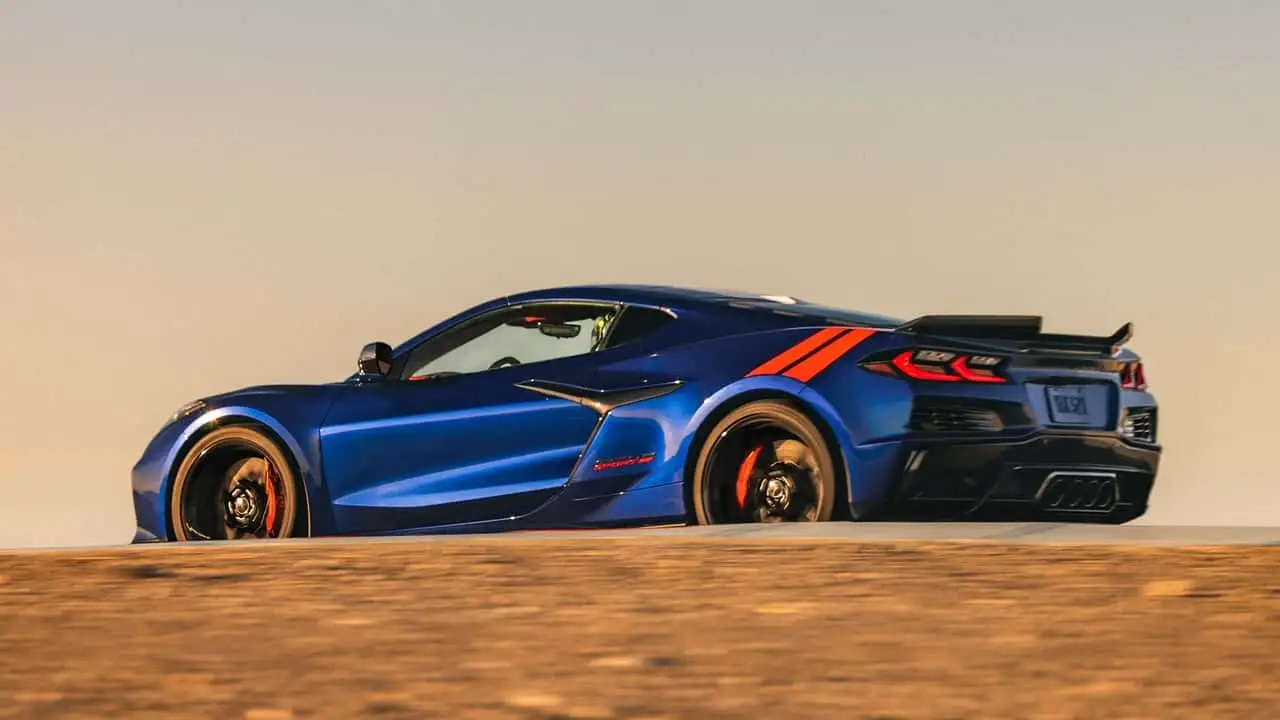
Admiral Blue is the most popular exterior color among early 2027 Chevrolet Corvette Grand Sport buyers.
The full color breakdown shows just how strongly buyers are gravitating toward blue, even as more conservative shades such as white, black and gray remain popular.
For enthusiasts looking for something unusual, however, the less common colors offer considerably more exclusivity.
Corvette Buyers Are Split on Coupe vs. Convertible
The body-style breakdown is much closer. Coupes account for 54.8% of Grand Sport orders, meaning buyers are only slightly more likely to choose the fixed-roof model.
That leaves a substantial share for the convertible, showing that open-air driving remains an important part of the Corvette experience.
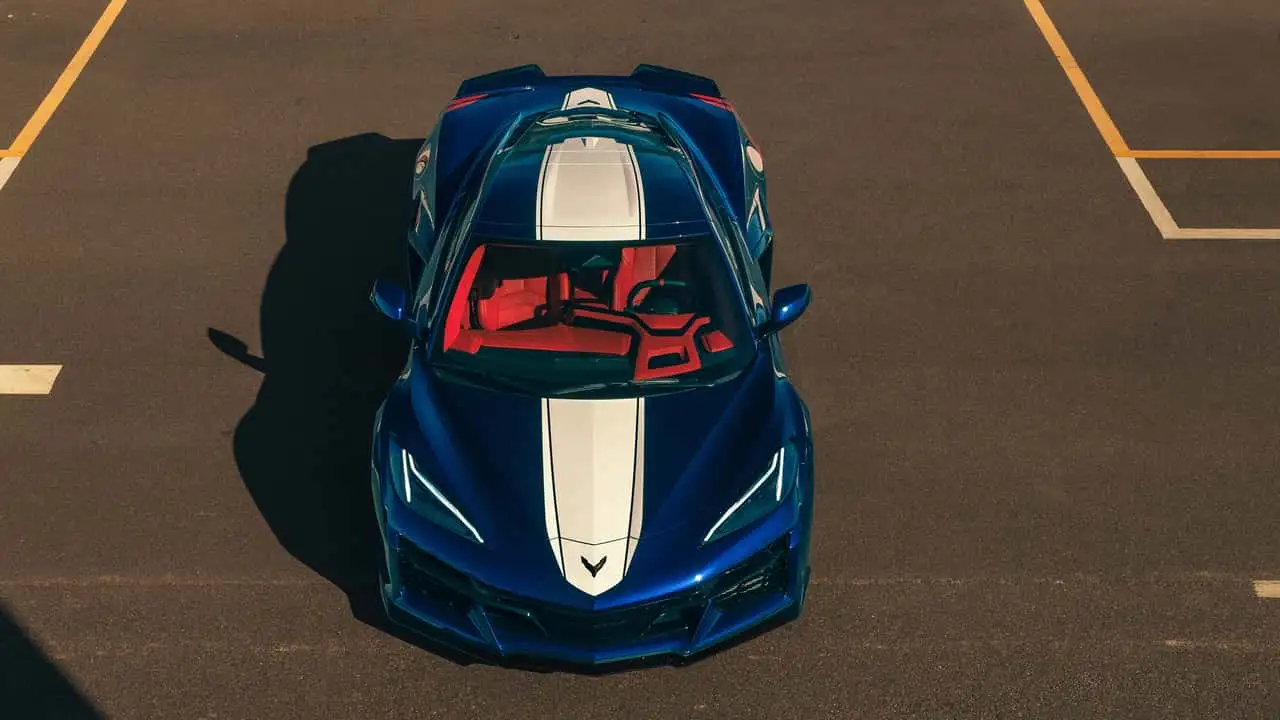
Corvette Grand Sport buyers are relatively evenly split between coupe and convertible body styles.
Trim levels also reveal that many buyers are not stopping at the entry configuration. Most customers are opting for the top-spec 3LT trim, while a notable number are also adding the Z52 Performance Package.
That suggests many Grand Sport customers are interested in combining the car’s styling with additional performance-focused equipment.
A Few Buyers Went All-In on the Z52 Package
Only a small number of Grand Sport buyers have gone for the more extreme Z52 Track Performance package.
That package adds carbon-ceramic brakes, Michelin Cup 2 R tires and a carbon-fiber aerodynamic package, turning the Grand Sport into an even more track-focused machine.
For those customers, performance appears to matter more than keeping the Corvette configuration simple.
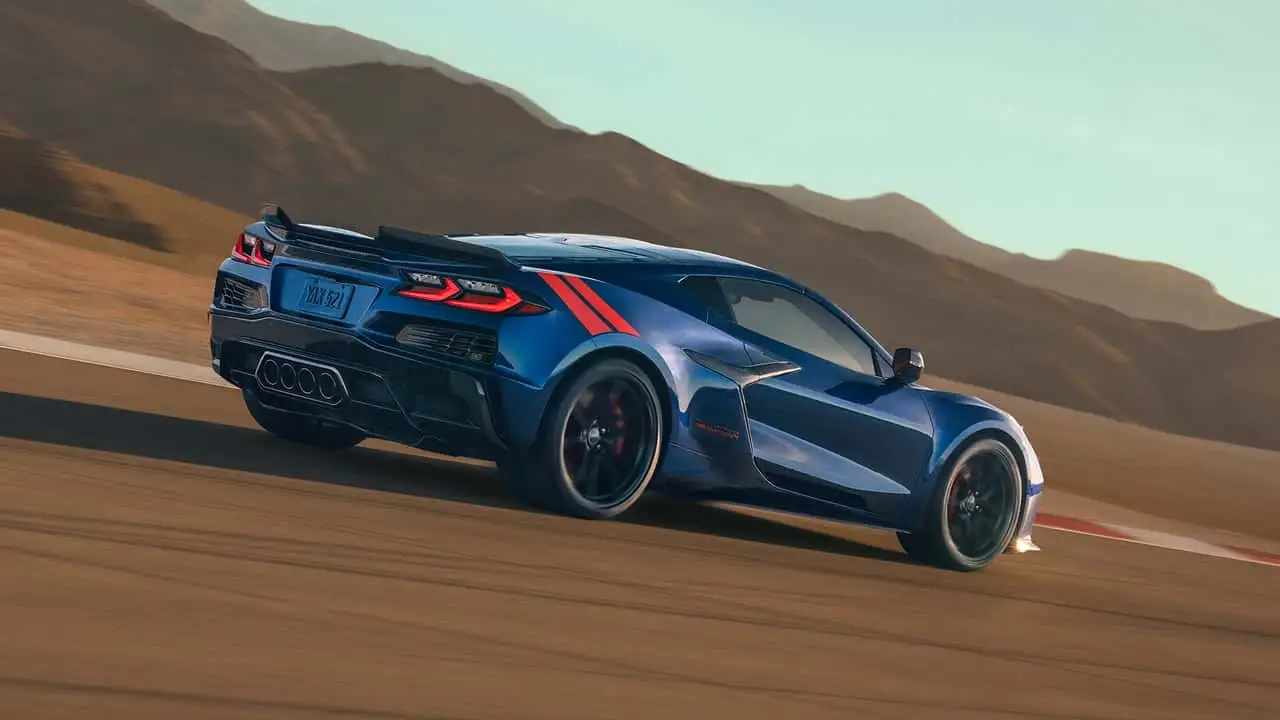
The Z52 Track Performance package gives the Corvette Grand Sport more serious track-focused hardware.
Roswell Green Is Rare, But It Might Be the Best Choice
While Admiral Blue is clearly the crowd favorite, the most interesting configuration may actually be the least popular one.
Only 50 Grand Sports have been ordered in Roswell Green. That makes it by far the rarest color in the current production data.
Paired with the Natural interior, the shade creates a distinctive combination that stands apart from the more common white, black and gray cars.
Corvette Grand Sport Buyers Have Picked Their Favorite
The early numbers make the trend easy to see. Admiral Blue is the dominant choice for Corvette Grand Sport buyers, accounting for almost one-third of the cars produced so far.
However, rarity has its own appeal. Roswell Green may not be selling in large numbers, but that scarcity could make those cars considerably more distinctive among future Grand Sports.
Ultimately, the data shows two very different approaches to specifying the Corvette Grand Sport: follow the crowd with Admiral Blue, or choose one of the uncommon combinations and stand out from the rest.
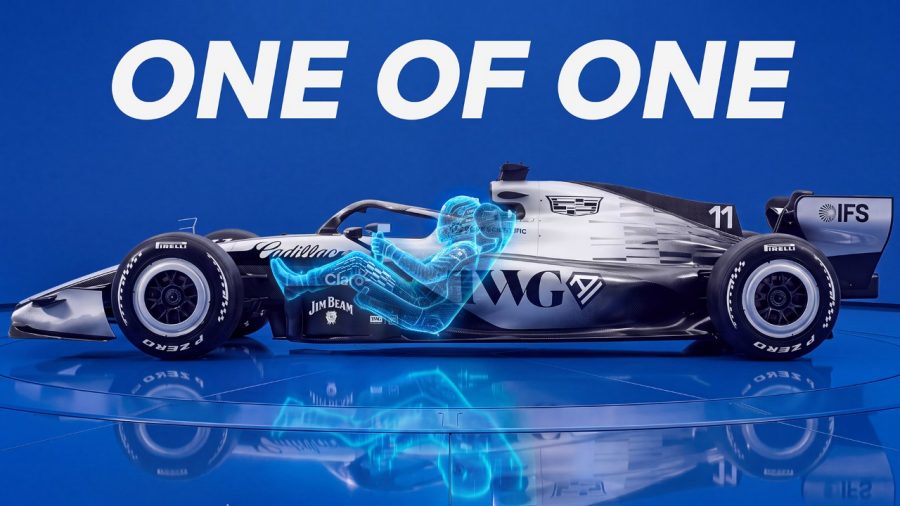
Every Cadillac Formula 1 driver gets a seat built specifically for their body. Here is how the team creates, tests and refines one before it reaches the track.
A Formula 1 car has countless components designed to maximize performance, but few are more personal than the driver’s seat. The Cadillac F1 driver seat must hold the driver securely through enormous G-forces while remaining comfortable throughout an entire race.
The fit has to be extremely precise. A seat that is too loose can allow excessive movement and increase fatigue, while one that is too tight can make a full race physically painful.
Cadillac recently showed the complete process behind creating one of its bespoke F1 seats, from the initial body mold to the final trackside adjustments.
The Process Starts With the Driver’s Body
The first step takes place at General Motors’ Charlotte Technical Center. The driver sits inside the Formula 1 chassis on top of a plastic bag while a technician fills it with a liquid mixture.
The material expands and hardens around the driver’s body, creating a detailed physical mold. That foam shape can then be measured precisely and converted into a digital representation of the finished seat.
Cadillac creates an individual mold around the driver to capture the precise shape required for the F1 seat.
Once the digital model has been finalized, the physical seat can be manufactured.
This approach allows the team to reproduce the driver’s seating position with a high level of accuracy before making any final adjustments at the track.
Cadillac Uses Flax-Based Material Instead of Carbon Fiber
The actual seat is produced at Cadillac Formula 1 Team’s facility near Silverstone in the United Kingdom.
Unlike many components of an F1 car, the seat is not made from carbon fiber. Cadillac instead uses a natural flax-based fiber weave.
The material provides an important advantage for the driver. According to the team, it does a better job of isolating the cockpit occupant from the intense vibrations produced by the race car.
Cadillac manufactures its F1 seats from a flax-based fiber weave designed to improve vibration isolation.
That means material selection is about more than simply minimizing weight. The seat also plays an important role in driver comfort and fatigue management.
In Formula 1, even small improvements can make a difference over a long race distance.
Valtteri Bottas Puts the Seat to the Test
With the seat completed, Cadillac takes it to the circuit for a real-world fitting session.
At the British Grand Prix, Valtteri Bottas climbed into his new bespoke seat inside the team’s garage. Rather than simply accepting the first version, Bottas provided feedback on how it felt and where changes were needed.
The seat was then returned to the factory so the team could make precise modifications.
Valtteri Bottas test-fits his bespoke Cadillac F1 seat during the British Grand Prix weekend.
Engineers can add or remove material in specific areas until the fit is exactly right. That iterative process is essential because the driver needs both stability and comfort while remaining securely positioned inside the cockpit.
Once the adjustments were complete, Bottas had a finished seat ready for competition.
A Custom Seat Is a Performance Component
The Cadillac F1 driver seat may look relatively simple compared with an engine, suspension system or aerodynamic package, but its importance is difficult to overstate.
The seat determines how securely the driver is held during braking, cornering and acceleration. It also helps manage the physical demands created by the car’s vibrations and G-forces.
Moreover, every driver has different requirements. That is why Cadillac does not simply produce one standard seat and install it across its cars.
From Digital Scan to the Race Track
The entire process combines driver-specific fitting, digital modeling, specialized materials and repeated testing. It begins with a mold of the driver’s body and ends with a component that is refined through direct feedback from the cockpit.
For Bottas, the final step came almost immediately. After the fitting process was completed, he used the new seat during Free Practice 1 at the British Grand Prix.
That makes the Cadillac F1 driver seat a perfect example of how Formula 1 performance is built from details that spectators rarely see. The car may be engineered at the limits of technology, but ultimately, one of its most important components has to fit one person perfectly.
-

 TEST DRIVES2 months ago
2026 Maserati MCPura Cielo
-

 NOW TRENDING2 months ago
2027 Range Rover GT Debuts as the Brand’s Lowest EV
-

 INTELLIGENT MOBILITY2 months ago
2027 Toyota Crown Gets New Hybrid System and Fresh Design
-

 NOW TRENDING2 months ago
Mercedes-AMG Admits the C63 Hybrid Was a Mistake for Buyers
-

 NOW TRENDING2 months ago
Next-Gen Cadillac CT5-V Blackwing Could Keep the V8 Alive
-

 NOW TRENDING2 months ago
Honda Civic Si Production Ends After 2026 Model Year Pause
-
 NOW TRENDING2 months ago
Rolls-Royce’s $32 Million Droptail Took 9 Months of Handcrafted Woodwork
-
 NOW TRENDING2 months ago
2027 Toyota Sequoia Adds Trailhunter Package and New Tech
You must be logged in to post a comment Login